Power Demand To Rise Up To Six Per Cent This Year: Crisil
POWER & RENEWABLE ENERGY

Power Demand To Rise Up To Six Per Cent This Year: Crisil

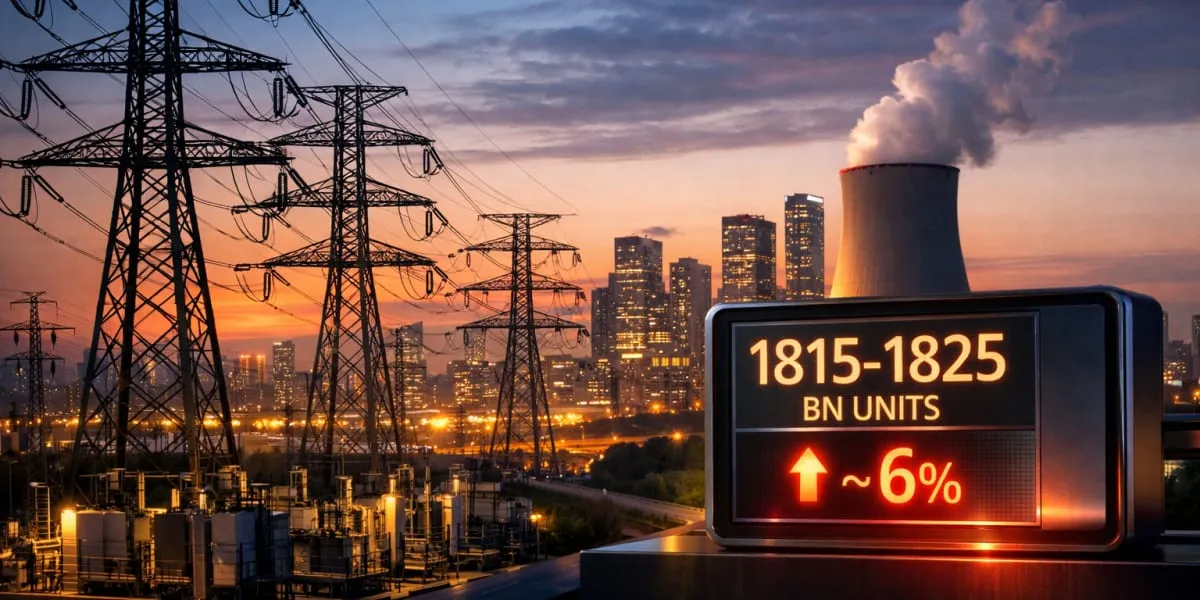
Crisil Intelligence projected that power demand will rise five point five to six point five per cent year on year in fiscal 2027, reaching 1,815 to 1,825 billion units (bn units) as El Nino conditions expected from July raise cooling needs. The agency cited higher temperatures, lower rainfall, steady economic growth and a low base of comparison. The outlook places the rise in demand at around six per cent for the current financial year.

Consumption in March stood at 149 bn units, up from 147 bn units a year earlier and the highest March level since at least 2010. Real time electricity market volumes in March rose 41.7 per cent year on year to 5,283 million units (mn units) from 3,727 mn units. Despite higher volumes, the average market clearing price in the real time market fell 10 per cent year on year to Rs 3.71 per unit, indicating ample system availability.

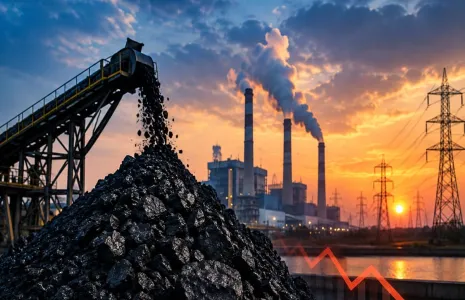
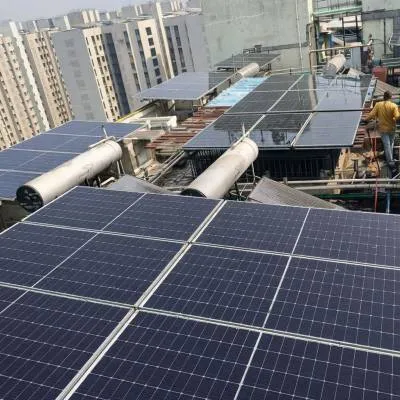
On the supply side, generation in March rose one point eight per cent year on year to 163 bn units, with all major fuels except gas recording gains. Renewable generation was supported by capacity additions after the country added 50.9 gigawatts of renewable capacity including small hydro in fiscal 2026. Coal based output edged up around zero point four per cent year on year and its share rose to 73 per cent in March from the fiscal 2026 average of 68 per cent.

Hydro and nuclear generation grew 13.8 per cent and eight point three per cent year on year respectively. The report said that rising temperatures and weather related factors, along with steady economic growth, are likely to support higher electricity consumption in the current financial year. Policymakers and utilities will need to balance demand growth with further renewable additions and system flexibility. The market outlook therefore points to a demand led recovery moderated by evolving supply dynamics.

Crisil Intelligence projected that power demand will rise five point five to six point five per cent year on year in fiscal 2027, reaching 1,815 to 1,825 billion units (bn units) as El Nino conditions expected from July raise cooling needs. The agency cited higher temperatures, lower rainfall, steady economic growth and a low base of comparison. The outlook places the rise in demand at around six per cent for the current financial year. Consumption in March stood at 149 bn units, up from 147 bn units a year earlier and the highest March level since at least 2010. Real time electricity market volumes in March rose 41.7 per cent year on year to 5,283 million units (mn units) from 3,727 mn units. Despite higher volumes, the average market clearing price in the real time market fell 10 per cent year on year to Rs 3.71 per unit, indicating ample system availability. On the supply side, generation in March rose one point eight per cent year on year to 163 bn units, with all major fuels except gas recording gains. Renewable generation was supported by capacity additions after the country added 50.9 gigawatts of renewable capacity including small hydro in fiscal 2026. Coal based output edged up around zero point four per cent year on year and its share rose to 73 per cent in March from the fiscal 2026 average of 68 per cent. Hydro and nuclear generation grew 13.8 per cent and eight point three per cent year on year respectively. The report said that rising temperatures and weather related factors, along with steady economic growth, are likely to support higher electricity consumption in the current financial year. Policymakers and utilities will need to balance demand growth with further renewable additions and system flexibility. The market outlook therefore points to a demand led recovery moderated by evolving supply dynamics.

Next Story
Infrastructure Transport

Pune To Build Nine Km Link Road Between Highways

The Pune Municipal Corporation (PMC) has decided to appoint an expert to plan the development of a nine km long, 60 metre wide road from Khadi Machine chowk to Wadki chowk as an extension to the Katraj-Kondhwa road to link the Mumbai-Satara and Pune-Solapur national highways. The scheme is intended to divert heavy vehicle traffic away from the city and improve access between the two arterial routes. The project has been prioritised by the PMC and forms part of a larger set of schemes in which 19 roads have been identified for development at a combined cost of Rs 9.82 billion (bn) to address c..

Next Story
Infrastructure Transport

Barabanki Bahraich Six Lane Highway Approved in Uttar Pradesh

The Uttar Pradesh government has approved construction of a new six-lane highway linking Barabanki and Bahraich as part of National Highway 927, and the cabinet has cleared the project. The alignment will pass through Mustafabad and Kaiserganj and extend for about 101.5 km, creating a key corridor for local and long-distance movement. The National Highways Authority of India will oversee the work and has signalled the scheme is intended to strengthen regional connectivity and cross-border access to Nepal. The project carries an estimated total cost of Rs 69,690 million, equivalent to Rs 69.69..

Next Story
Infrastructure Transport

Toll At Kharegaon Likely As Highway Upgrade Nears Completion

A section of the highway at Kharegaon has undergone an upgrade and is approaching completion, and authorities have indicated plans for a toll to be introduced once works finish. The project has focused on strengthening the carriageway, improving drainage and upgrading intersections to enhance safety and capacity. Officials have said the toll will be used to recover construction costs and fund ongoing maintenance. The upgrade included resurfacing of the pavement, widening of certain stretches and installation of modern signage and lighting to reduce accident risk. Contractors completed most ma..

Advertisement

Subscribe to Our Newsletter

Get daily newsletters around different themes from Construction world.

STAY CONNECTED

Advertisement

Advertisement

Advertisement