Rajasthan Starts Rs 17,000 Subsidy For 150 Free Power Units
POWER & RENEWABLE ENERGY

Rajasthan Starts Rs 17,000 Subsidy For 150 Free Power Units

The Government of Rajasthan has begun transferring a Rs 17,000 subsidy to eligible consumers under its 150-unit free electricity scheme, marking two years of the current administration. The rollout has started with Jaipur Discom, with other distribution companies in the state set to follow.

Once the subsidy is credited, beneficiaries will no longer receive the earlier 100-unit free electricity benefit from their subsequent bills. Jaipur Discom, which serves around 15 districts, has initiated the process, and the scheme will be extended across Rajasthan’s remaining discoms in phases.

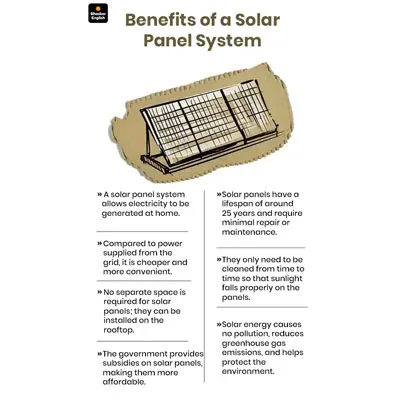
Under the programme, the state is offering 150 units of free electricity through the PM Surya Ghar Yojana by encouraging rooftop solar adoption. Currently, only consumers already availing the 100-unit free power benefit and having a permanent roof are eligible to register.

Consumers installing rooftop solar systems are entitled to a central subsidy of Rs 33,000, applicable nationwide, along with the additional Rs 17,000 support from the Rajasthan government. Together, the total subsidy amounts to Rs 50,000, effectively bringing the cost of installing a 1.1 kW solar system to zero. Such a system can generate around 150 units of electricity per month, fully offsetting consumption up to that level and keeping the monthly bill at zero.

Any excess power generated beyond household consumption will be exported to the grid and adjusted in subsequent bills. If surplus units remain unadjusted, consumers will be paid for them at the end of the financial year, in line with existing regulations.

Registrations for the state subsidy remain open, with around 250,000 consumers having signed up in the past two months. Applications can be made through the Jaipur, Jodhpur or Ajmer Discom websites, or via the BijliMitra portal. The state subsidy of Rs 17,000 is capped at installations of up to 3 kW, while the central government offers subsidies of up to Rs 78,000 for systems of 3 kW or higher.

The state government clarified that households continuing under the earlier 100-unit free electricity scheme will retain that benefit. However, consumers opting for the 150-unit solar-based scheme will be shifted out of the 100-unit programme, effectively gaining an additional 50 units of free electricity through solar generation. Households without permanent roofs—estimated at about 3 million—will continue to receive the 100-unit benefit for now.

Officials said the initiative is aimed at accelerating rooftop solar adoption, lowering long-term power costs for consumers and easing pressure on the state’s electricity grid.

The Government of Rajasthan has begun transferring a Rs 17,000 subsidy to eligible consumers under its 150-unit free electricity scheme, marking two years of the current administration. The rollout has started with Jaipur Discom, with other distribution companies in the state set to follow. Once the subsidy is credited, beneficiaries will no longer receive the earlier 100-unit free electricity benefit from their subsequent bills. Jaipur Discom, which serves around 15 districts, has initiated the process, and the scheme will be extended across Rajasthan’s remaining discoms in phases. Under the programme, the state is offering 150 units of free electricity through the PM Surya Ghar Yojana by encouraging rooftop solar adoption. Currently, only consumers already availing the 100-unit free power benefit and having a permanent roof are eligible to register. Consumers installing rooftop solar systems are entitled to a central subsidy of Rs 33,000, applicable nationwide, along with the additional Rs 17,000 support from the Rajasthan government. Together, the total subsidy amounts to Rs 50,000, effectively bringing the cost of installing a 1.1 kW solar system to zero. Such a system can generate around 150 units of electricity per month, fully offsetting consumption up to that level and keeping the monthly bill at zero. Any excess power generated beyond household consumption will be exported to the grid and adjusted in subsequent bills. If surplus units remain unadjusted, consumers will be paid for them at the end of the financial year, in line with existing regulations. Registrations for the state subsidy remain open, with around 250,000 consumers having signed up in the past two months. Applications can be made through the Jaipur, Jodhpur or Ajmer Discom websites, or via the BijliMitra portal. The state subsidy of Rs 17,000 is capped at installations of up to 3 kW, while the central government offers subsidies of up to Rs 78,000 for systems of 3 kW or higher. The state government clarified that households continuing under the earlier 100-unit free electricity scheme will retain that benefit. However, consumers opting for the 150-unit solar-based scheme will be shifted out of the 100-unit programme, effectively gaining an additional 50 units of free electricity through solar generation. Households without permanent roofs—estimated at about 3 million—will continue to receive the 100-unit benefit for now. Officials said the initiative is aimed at accelerating rooftop solar adoption, lowering long-term power costs for consumers and easing pressure on the state’s electricity grid.

Next Story
Real Estate

Six Flags Qiddiya City Opens as Saudi Arabia’s First Six Flags Park

AtkinsRéalis, in partnership with Qiddiya Investment Company, has delivered Six Flags Qiddiya City, marking the opening of Saudi Arabia’s first Six Flags theme park and the first Six Flags destination built entirely outside North America. The park is the first of 70 major assets planned within Qiddiya City and represents a key milestone in the Kingdom’s Vision 2030 strategy to develop globally competitive leisure and tourism destinations.The opening ceremony, held under the patronage of HRH Prince Faisal bin Bandar bin Abdulaziz, Governor of Riyadh Province, marks the first major attracti..

Next Story
Infrastructure Urban

German Chancellor Visits Bosch India Campus in Bengaluru

Strengthening the long-standing partnership between India and Germany, Friedrich Merz, Federal Chancellor of the Federal Republic of Germany, recently visited the Bosch campus at Adugodi, Bengaluru, during his India trip. The delegation was hosted by Guruprasad Mudlapur, President of the Bosch Group in India and Managing Director, Bosch Limited, who showcased key innovations developed in the region.During the visit, the delegation experienced Bosch’s H2ICE demonstrator truck featuring a fully integrated powertrain and telematics system. Bosch India, in collaboration with Bosch Germany, is ad..

Next Story
Infrastructure Urban

ICC, Maharashtra Sign MoU to Boost Industry Engagement

The Indian Chamber of Commerce (ICC) and the Government of Maharashtra recently signed a Memorandum of Understanding (MoU) to enhance cooperation and deepen engagement between Indian businesses and the State, with a focus on investment facilitation, ease of doing business and sustained industry–government dialogue.The MoU was signed by Dr P Anbalagan, IAS, Principal Secretary (Industry, Investment and Services), Government of Maharashtra, and Dr Rajeev Singh, Director General, ICC, in the presence of leading business representatives.Speaking on the occasion, Dr Anbalagan said the partnership..

Advertisement

Subscribe to Our Newsletter

Get daily newsletters around different themes from Construction world.

STAY CONNECTED

Advertisement

Advertisement

Advertisement

Advertisement

Open In App