Renewable Surge Fuels Multi-Year Boom In India's Power Equipment Industry
POWER & RENEWABLE ENERGY

Renewable Surge Fuels Multi-Year Boom In India's Power Equipment Industry

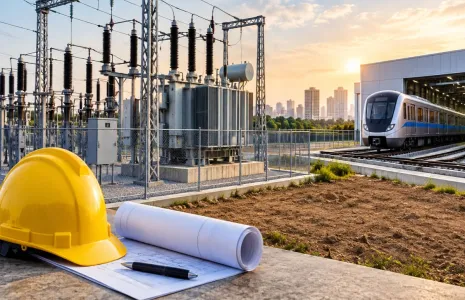
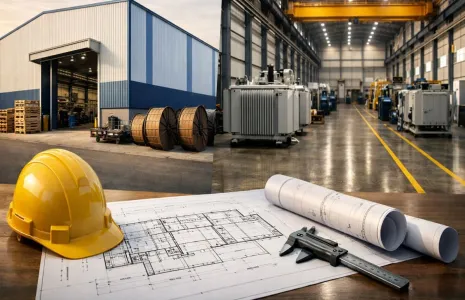
A JP Morgan report says India is entering a multi-year growth phase in its power equipment sector driven by an accelerating energy transition and rising transmission investments. The report indicates high?voltage equipment manufacturers are in the midst of a decadal upcycle as the grid expands to accommodate a significant increase in renewable capacity. Strong policy visibility and a sharp ramp?up in solar and wind additions underpin the outlook.

The national plan targets 470GW of solar and wind additions over the next decade, which is expected to materially increase demand for transmission infrastructure and related equipment. Annual transmission capital expenditure is projected at about $eight to nine bn, while high?voltage direct current technology is identified as a key enabler of long?distance renewable power evacuation. The report estimates a $14-15 bn opportunity in HVDC over the next five to six years, reinforcing a robust medium?term demand cycle.

Beyond domestic demand, export opportunities are expanding as global grids upgrade to accommodate renewables and rising electricity consumption from data?centre growth driven by artificial intelligence. Exports are extending the cycle as global order books increase on renewables, grid upgrades and AI?driven load growth, positioning Indian manufacturers as competitive global suppliers. A favourable industry structure, characterised by limited competition in HVDC, tight supply?demand conditions and operating leverage, is expected to support margin expansion.

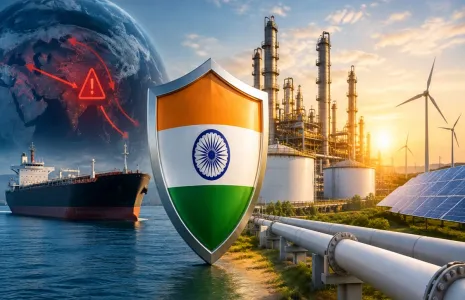
The report cautions that near?term risks such as supply?chain disruptions or delays in HVDC project awards could weigh on sentiment, but notes that any pauses may create entry opportunities given the multi?year ordering outlook. It highlights that large?scale transmission build typically takes three to five years, providing multi?year revenue visibility for high?voltage original equipment manufacturers. Overall, India’s power equipment sector is assessed as well positioned to benefit from the energy transition with strong order visibility, export optionality and margin tailwinds driving a sustained upcycle over the coming three to five years.

A JP Morgan report says India is entering a multi-year growth phase in its power equipment sector driven by an accelerating energy transition and rising transmission investments. The report indicates high?voltage equipment manufacturers are in the midst of a decadal upcycle as the grid expands to accommodate a significant increase in renewable capacity. Strong policy visibility and a sharp ramp?up in solar and wind additions underpin the outlook. The national plan targets 470GW of solar and wind additions over the next decade, which is expected to materially increase demand for transmission infrastructure and related equipment. Annual transmission capital expenditure is projected at about $eight to nine bn, while high?voltage direct current technology is identified as a key enabler of long?distance renewable power evacuation. The report estimates a $14-15 bn opportunity in HVDC over the next five to six years, reinforcing a robust medium?term demand cycle. Beyond domestic demand, export opportunities are expanding as global grids upgrade to accommodate renewables and rising electricity consumption from data?centre growth driven by artificial intelligence. Exports are extending the cycle as global order books increase on renewables, grid upgrades and AI?driven load growth, positioning Indian manufacturers as competitive global suppliers. A favourable industry structure, characterised by limited competition in HVDC, tight supply?demand conditions and operating leverage, is expected to support margin expansion. The report cautions that near?term risks such as supply?chain disruptions or delays in HVDC project awards could weigh on sentiment, but notes that any pauses may create entry opportunities given the multi?year ordering outlook. It highlights that large?scale transmission build typically takes three to five years, providing multi?year revenue visibility for high?voltage original equipment manufacturers. Overall, India’s power equipment sector is assessed as well positioned to benefit from the energy transition with strong order visibility, export optionality and margin tailwinds driving a sustained upcycle over the coming three to five years.

Next Story
Infrastructure Energy

Power Mech Enters Urban Mobility With Rs 2.96 bn Mumbai Monorail Contract

Power Mech said it has secured a contract worth Rs 2.96 billion (Rs 2.96 bn) to deliver work on the Mumbai Monorail, marking the company's formal entry into urban mobility. The award was described as a significant contract for the firm and follows its focus on infrastructure projects. Shares of the company rose on the announcement as investors reacted to the new order. The contract will expand Power Mech's engineering and construction portfolio into urban transit systems and provides the company with exposure to the fast growing urban mobility segment in metropolitan areas. The work is expecte..

Next Story
Infrastructure Urban

Yogi Orders Expert Panel On Smart Meter Overbilling

The Uttar Pradesh chief minister ordered the formation of an expert panel to investigate widespread complaints of overbilling linked to newly installed smart meters. The panel was instructed to review meter data, examine installation practices and identify technical or procedural causes behind discrepancies in consumer bills. The state energy department was asked to prioritise the inquiry and to coordinate with distribution companies to ensure rapid access to required records and equipment. The committee was directed to conduct technical audits of meters and to establish whether faults, calibr..

Next Story
Infrastructure Energy

Power Firms Seek Relaxation Of HERC Fuel Surcharge Rules

Uttar Haryana Bijli Vitran Nigam (UHBVN) and Dakshin Haryana Bijli Vitran Nigam (DHBVN) have approached the Haryana Electricity Regulatory Commission (HERC) seeking relaxation of rules that govern recovery of fuel and power purchase costs. The distribution companies have filed petitions proposing amendments to Regulation sixty eight of the Multi-Year Tariff (MYT) Regulations, 2024 for financial year 2025-26, and have asked the regulator to consider alternative recovery mechanisms to the current monthly arrangement. Under the existing framework, additional costs arising from fuel and power purc..

Advertisement

Subscribe to Our Newsletter

Get daily newsletters around different themes from Construction world.

STAY CONNECTED

Advertisement

Advertisement

Advertisement