Sahaj Solar Approves 1.8 GWh BESS Facility in Gujarat
POWER & RENEWABLE ENERGY

Sahaj Solar Approves 1.8 GWh BESS Facility in Gujarat

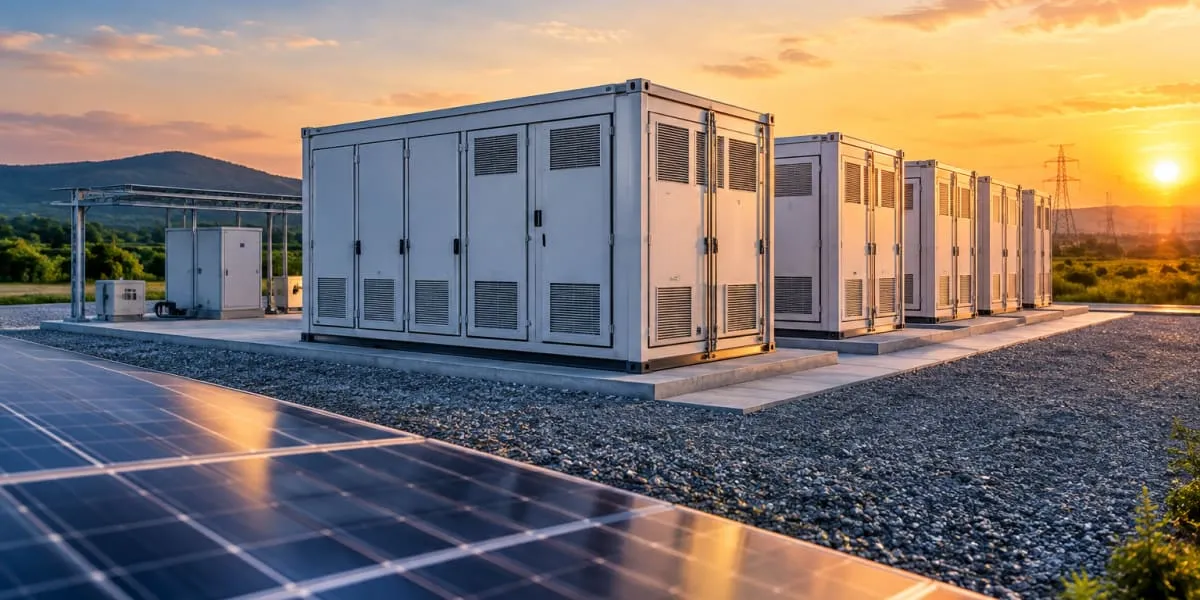
Sahaj Solar has approved plans to establish a Battery Energy Storage Systems (BESS) manufacturing facility in Dakor, Gujarat, as part of its expansion into the battery storage sector. The proposed plant will have manufacturing and storage capacity of 1.8 GWh. The company’s board approved the project at a meeting held on 19 October 2026.

The facility will represent Sahaj Solar’s first major move into energy storage. The company currently has no manufacturing capacity or utilisation in the BESS segment and plans to integrate battery storage products with its existing solar systems operations. This approach is intended to broaden its renewable energy portfolio and provide customers with a wider range of clean energy solutions.

Sahaj Solar has estimated the capital investment for the project at approximately Rs. 250 mn. The estimate excludes the cost of the factory premises, which have already been constructed. Funding will come through a combination of debt and internal accruals, with the investment directed towards production infrastructure and related operational requirements.

The company also plans to introduce a product line focused on BESS for domestic and international markets, with India identified as the initial target market. It expects to complete the project, including capacity addition and product launch, within 12 months. The products are intended to address rising demand for energy storage as renewable power generation expands.

BESS technology supports the integration of solar and wind power into electricity networks by storing electricity when generation is available and releasing it when demand is high or renewable output is limited. Sahaj Solar expects the new facility to strengthen its position in clean energy while enabling closer integration between its solar systems and battery storage offerings.

Sahaj Solar has approved plans to establish a Battery Energy Storage Systems (BESS) manufacturing facility in Dakor, Gujarat, as part of its expansion into the battery storage sector. The proposed plant will have manufacturing and storage capacity of 1.8 GWh. The company’s board approved the project at a meeting held on 19 October 2026. The facility will represent Sahaj Solar’s first major move into energy storage. The company currently has no manufacturing capacity or utilisation in the BESS segment and plans to integrate battery storage products with its existing solar systems operations. This approach is intended to broaden its renewable energy portfolio and provide customers with a wider range of clean energy solutions. Sahaj Solar has estimated the capital investment for the project at approximately Rs. 250 mn. The estimate excludes the cost of the factory premises, which have already been constructed. Funding will come through a combination of debt and internal accruals, with the investment directed towards production infrastructure and related operational requirements. The company also plans to introduce a product line focused on BESS for domestic and international markets, with India identified as the initial target market. It expects to complete the project, including capacity addition and product launch, within 12 months. The products are intended to address rising demand for energy storage as renewable power generation expands. BESS technology supports the integration of solar and wind power into electricity networks by storing electricity when generation is available and releasing it when demand is high or renewable output is limited. Sahaj Solar expects the new facility to strengthen its position in clean energy while enabling closer integration between its solar systems and battery storage offerings.

Related Stories

Gold Stories

Next Story
Resources

Bluspring Q2 EBITDA rises 130 per cent to Rs 670 million

Bluspring Enterprises reported a 49 per cent year-on-year increase in revenue to Rs 12.5 billion in Q2 FY27, while EBITDA rose 130 per cent to Rs 670 million. Profit after tax (PAT) increased 95 per cent to Rs 320 million. The financial results exclude the company's investment in foundit.EBITDA margin expanded by 188 basis points to 5.4 per cent, compared with 3.5 per cent in Q2 FY26. Profit before tax rose 159 per cent to Rs 390 million, while diluted earnings per share increased 88 per cent to Rs 2.10.For the half year ended 30 September 2026, revenue grew 35 per cent to Rs 21.8 billion. EBI..

Next Story
Building Material

Shankar Fenestrations works on façade design for CRC The Flagship

Shankar Fenestrations and Glasses is involved in the façade development of CRC The Flagship, a commercial real estate project in Noida. The project highlights the role of glass and fenestration systems in contemporary commercial architecture, where aesthetics, functionality and material selection influence building design.Façade systems play an important role in defining a building's visual identity while addressing practical requirements related to building performance. The development also reflects the growing adoption of contemporary architectural approaches in Noida's commercial real est..

Next Story
Real Estate

Urban Planners & City Architects Seek Mumbai DCPR 2034 Reexamination

Dr Niranjan Hiranandani, Ghulam Zia and industry experts call for stronger resident safeguards, affordable housing and better urban planning. Urban Planners & Architects sought an urgent relook at DCPR 2034 at 3rd Mumbai Redevelopment SummitMumbai's redevelopment must move beyond rebuilding individual buildings to creating sustainable, well-planned neighbourhoods supported by adequate infrastructure, industry leaders emphasised at the 3rd Mumbai Redevelopment Summit 2026, held on November 4 at Radisson Blu Mumbai International Airport.The summit was presented by FIRST Construction Council ..

Advertisement

Subscribe to Our Newsletter

Get daily newsletters around different themes from Construction world.

STAY CONNECTED

Advertisement

SPECIAL OFFER
QR Code