Tripura's Lone Hydroelectric Project to Restart in December
POWER & RENEWABLE ENERGY

Tripura's Lone Hydroelectric Project to Restart in December

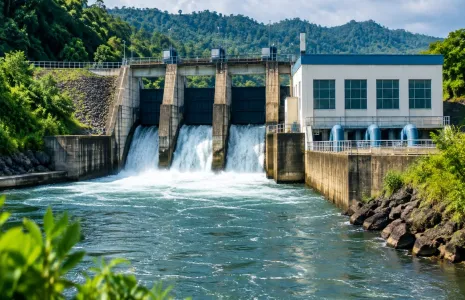
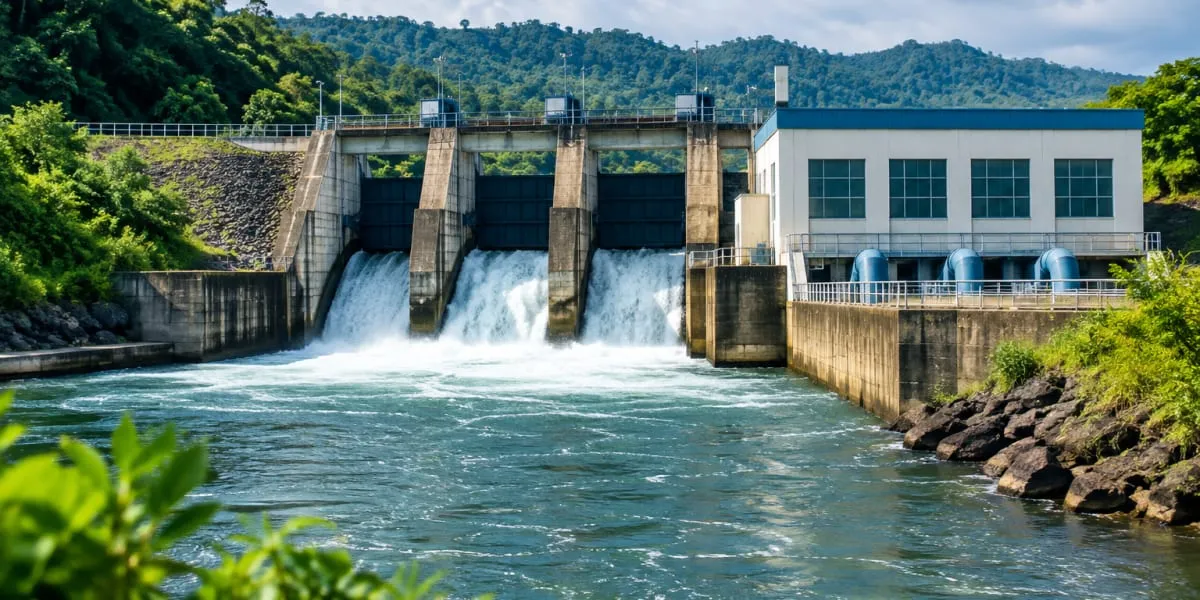
Restoration of Tripura’s lone hydroelectric project in Gomati district is scheduled to begin in December at an estimated cost of Rs. 1 bn, Power Minister Ratan Lal Nath said on October 9. The project’s revival follows technical assessments conducted after extensive damage from floods in 2024.

The 2.5-MW Gumti Hydroelectric Project has remained shut since the floods affected its facility. The state government decided to proceed with restoration after studies examined whether the plant and related infrastructure could be brought back into operation.

Surveys were conducted by the National Institute of Technology, Agartala, the Indian Institute of Technology, Guwahati, the National Hydroelectric Power Corporation (NHPC) and Bharat Heavy Electricals (BHEL). The assessments were intended to establish the feasibility of restoring the facility and guide the proposed work.

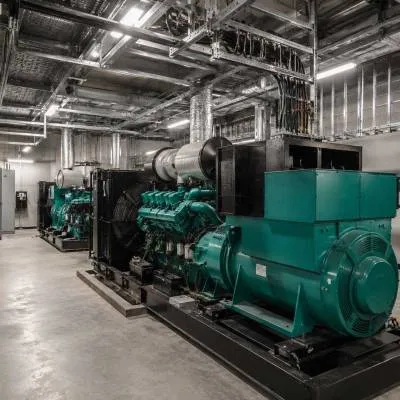
The government has earmarked Rs. 1 bn for the project, with restoration work expected to start in December. Once the work is completed, the plant is projected to generate 10 to 11 MW of power daily, considerably above its original installed capacity of 2.5 MW.

The project was established at Tirthamuk 56 years ago by harnessing the Raima and Sarma hill streams. Its dam and reservoir have also become tourist attractions. Nath highlighted a dam safety awareness programme organised by the National Dam Safety Authority, saying such initiatives supported efforts to protect communities living downstream. The restoration is expected to return the long-shuttered facility to service while renewing attention on dam safety and water infrastructure management in Tripura.

Restoration of Tripura’s lone hydroelectric project in Gomati district is scheduled to begin in December at an estimated cost of Rs. 1 bn, Power Minister Ratan Lal Nath said on October 9. The project’s revival follows technical assessments conducted after extensive damage from floods in 2024. The 2.5-MW Gumti Hydroelectric Project has remained shut since the floods affected its facility. The state government decided to proceed with restoration after studies examined whether the plant and related infrastructure could be brought back into operation. Surveys were conducted by the National Institute of Technology, Agartala, the Indian Institute of Technology, Guwahati, the National Hydroelectric Power Corporation (NHPC) and Bharat Heavy Electricals (BHEL). The assessments were intended to establish the feasibility of restoring the facility and guide the proposed work. The government has earmarked Rs. 1 bn for the project, with restoration work expected to start in December. Once the work is completed, the plant is projected to generate 10 to 11 MW of power daily, considerably above its original installed capacity of 2.5 MW. The project was established at Tirthamuk 56 years ago by harnessing the Raima and Sarma hill streams. Its dam and reservoir have also become tourist attractions. Nath highlighted a dam safety awareness programme organised by the National Dam Safety Authority, saying such initiatives supported efforts to protect communities living downstream. The restoration is expected to return the long-shuttered facility to service while renewing attention on dam safety and water infrastructure management in Tripura.

Related Stories

Gold Stories

Next Story
Real Estate

Born Smart or Built Smart?

In residential projects where the homeowner has a clear requirement for extensive automation, the smart-home brief should influence the design from the outset. CW explores exactly how such mandates influence design-development. QUICK BYTESIntegrate smart technology with architecture, interiors and MEP from the outset.Let residents’ needs and routines guide automation.Integrate sensors, wiring and controls without compromising design.Build flexible infrastructure for evolving technologies.Smart systems should be simple, reliable and easy to use.Existing homes can be retrofitted with mini..
Next Story
Technology

Move Less, Build More

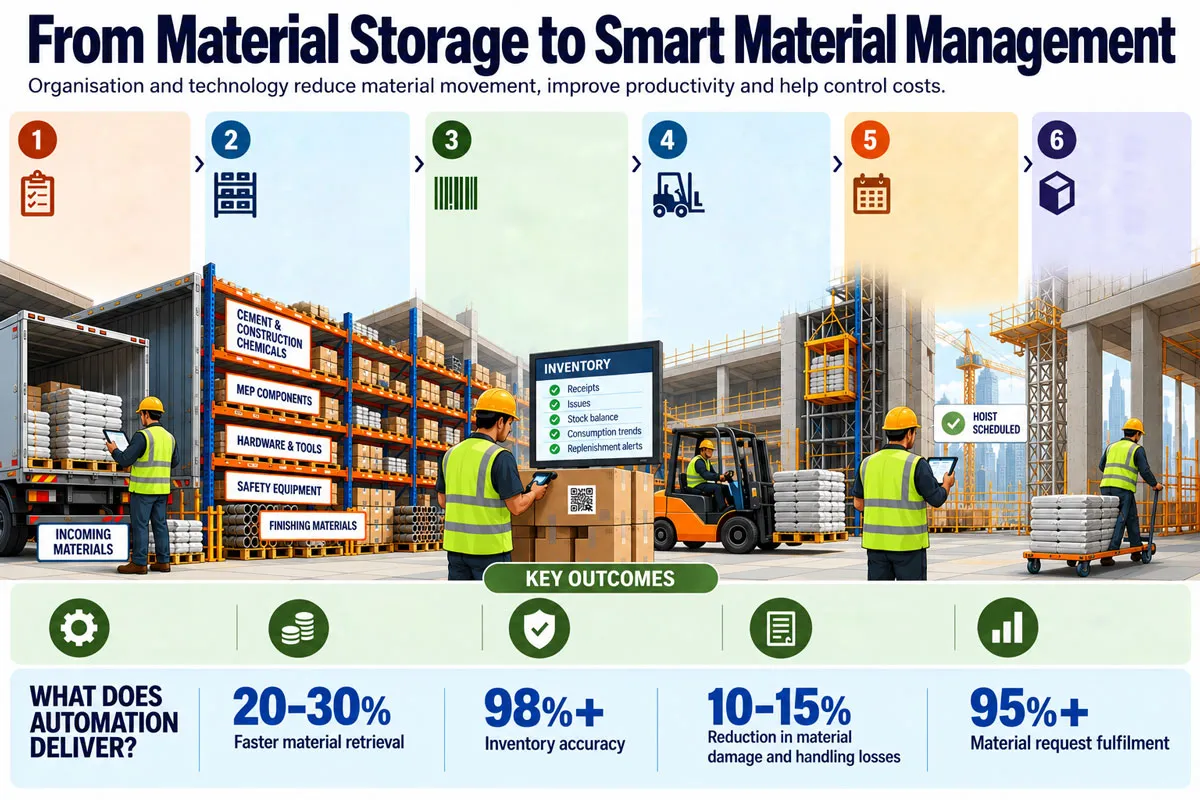
On high-rise sites in Mumbai, until a few years ago, the common material handling solution was manpower and the repeated relocation of material until it finally reached the floor where it was to be installed.Cut to today. “Now, we are adopting automation in material handling, not to replace people but to reduce unnecessary movement, improve planning, and use people and equipment more efficiently,” says Raahul Maroo, Founder & Managing Director, Tat:vm Builders and Developers.To read the full article Click Here ..

Next Story
Infrastructure Urban

Law and Order

In modern economies, construction projects serve as a catalyst for economic growth and national development. In India, the construction industry plays a vital role in infrastructure development, urbanisation and employment generation. However, these projects involve significant financial, contractual, legal, environmental and safety risks, necessitating an effective legal framework to regulate their execution.The India perspectiveConstruction projects are governed by various legal and regulatory requirements relating to land acquisition, planning permissions, labour welfare, environmental clea..

Advertisement

Subscribe to Our Newsletter

Get daily newsletters around different themes from Construction world.

STAY CONNECTED

Advertisement

SPECIAL OFFER
QR Code