+
Uttarakhand Approves 76 MW Battery Storage Projects
POWER & RENEWABLE ENERGY

Uttarakhand Approves 76 MW Battery Storage Projects

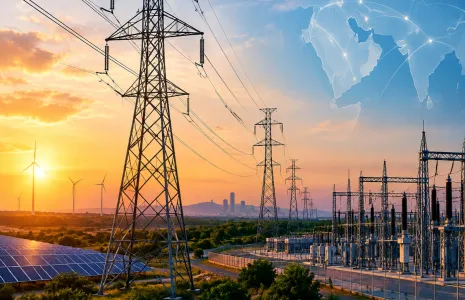
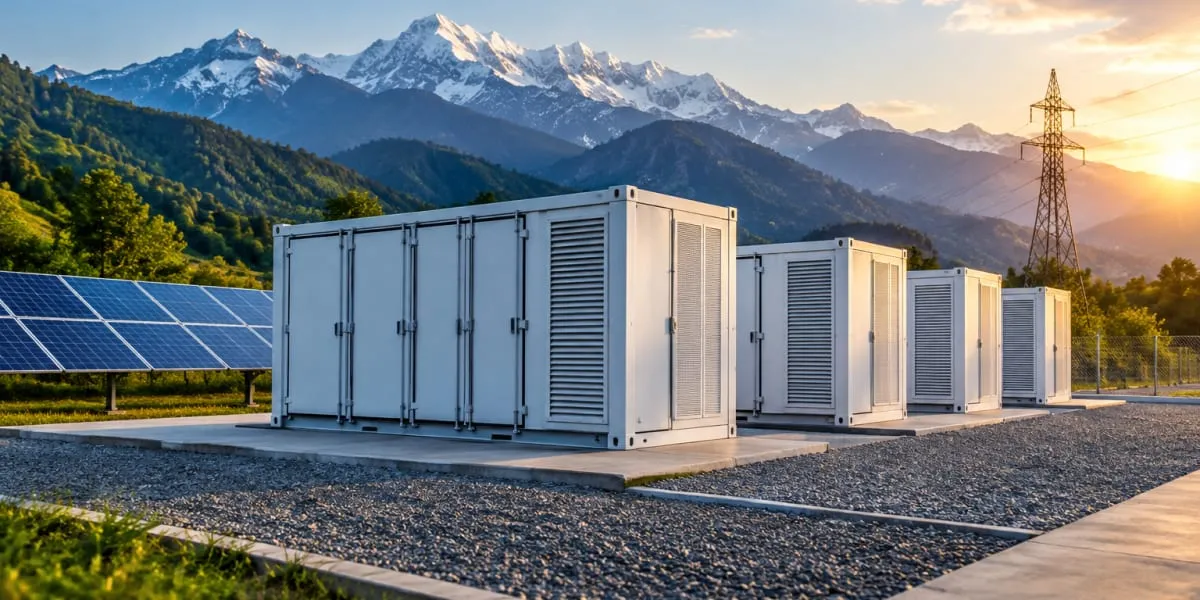
Uttarakhand has approved four Battery Energy Storage System (BESS) projects with a combined capacity of 76 MW and 190 MWh. The facilities, planned at Dhakrani, Khatima, Pathri and Tiloth, will store electricity during periods of lower demand and supply it during peak hours.

The Uttarakhand Electricity Regulatory Commission (UERC) has conditionally approved the tariffs and draft Battery Energy Storage Purchase Agreements. The approvals followed tariff-based competitive bidding conducted by Uttarakhand Jal Vidyut Nigam (UJVNL), with projects allocated across Dehradun, Udham Singh Nagar, Haridwar and Uttarkashi districts.

Patanjali Renewable Energy will develop the 30 MW/75 MWh Dhakrani project, the 15 MW/37.5 MWh Khatima project and the 16 MW/40 MWh Pathri project. Armee Infotech will undertake the 15 MW/37.5 MWh Tiloth project after accepting the lowest tariff quoted by Patanjali Renewable Energy. The tender terms restricted a single bidder to two projects, resulting in the transfer of the Tiloth award to the L-2 bidder.

The approved monthly tariffs are Rs. 269,832 per MW for Dhakrani, Rs. 279,501 for Pathri, Rs. 279,782 for Khatima and Rs. 280,000 for Tiloth. These rates are below comparable tariffs cited for projects in Delhi and Punjab, including approximately Rs. 0.3 mn per MW per month for a 12.5 MW Delhi project and about Rs. 0.34 mn for projects in Punjab.

The projects are being supported under the Union Ministry of Power’s Viability Gap Funding scheme through the Power System Development Fund. Uttarakhand was allocated 500 MWh of storage capacity, with 250 MWh being implemented through UJVNL, while the Centre will provide Rs. 1.8 mn per MWh in three instalments. The batteries will be charged through the Uttarakhand Power Corporation system when solar and hydropower are relatively available and will discharge between 6 pm and 9 pm, helping manage peak demand, improve grid flexibility and reduce reliance on expensive power exchange purchases.

Uttarakhand has approved four Battery Energy Storage System (BESS) projects with a combined capacity of 76 MW and 190 MWh. The facilities, planned at Dhakrani, Khatima, Pathri and Tiloth, will store electricity during periods of lower demand and supply it during peak hours. The Uttarakhand Electricity Regulatory Commission (UERC) has conditionally approved the tariffs and draft Battery Energy Storage Purchase Agreements. The approvals followed tariff-based competitive bidding conducted by Uttarakhand Jal Vidyut Nigam (UJVNL), with projects allocated across Dehradun, Udham Singh Nagar, Haridwar and Uttarkashi districts. Patanjali Renewable Energy will develop the 30 MW/75 MWh Dhakrani project, the 15 MW/37.5 MWh Khatima project and the 16 MW/40 MWh Pathri project. Armee Infotech will undertake the 15 MW/37.5 MWh Tiloth project after accepting the lowest tariff quoted by Patanjali Renewable Energy. The tender terms restricted a single bidder to two projects, resulting in the transfer of the Tiloth award to the L-2 bidder. The approved monthly tariffs are Rs. 269,832 per MW for Dhakrani, Rs. 279,501 for Pathri, Rs. 279,782 for Khatima and Rs. 280,000 for Tiloth. These rates are below comparable tariffs cited for projects in Delhi and Punjab, including approximately Rs. 0.3 mn per MW per month for a 12.5 MW Delhi project and about Rs. 0.34 mn for projects in Punjab. The projects are being supported under the Union Ministry of Power’s Viability Gap Funding scheme through the Power System Development Fund. Uttarakhand was allocated 500 MWh of storage capacity, with 250 MWh being implemented through UJVNL, while the Centre will provide Rs. 1.8 mn per MWh in three instalments. The batteries will be charged through the Uttarakhand Power Corporation system when solar and hydropower are relatively available and will discharge between 6 pm and 9 pm, helping manage peak demand, improve grid flexibility and reduce reliance on expensive power exchange purchases.

Related Stories

Gold Stories

Next Story
Infrastructure Energy

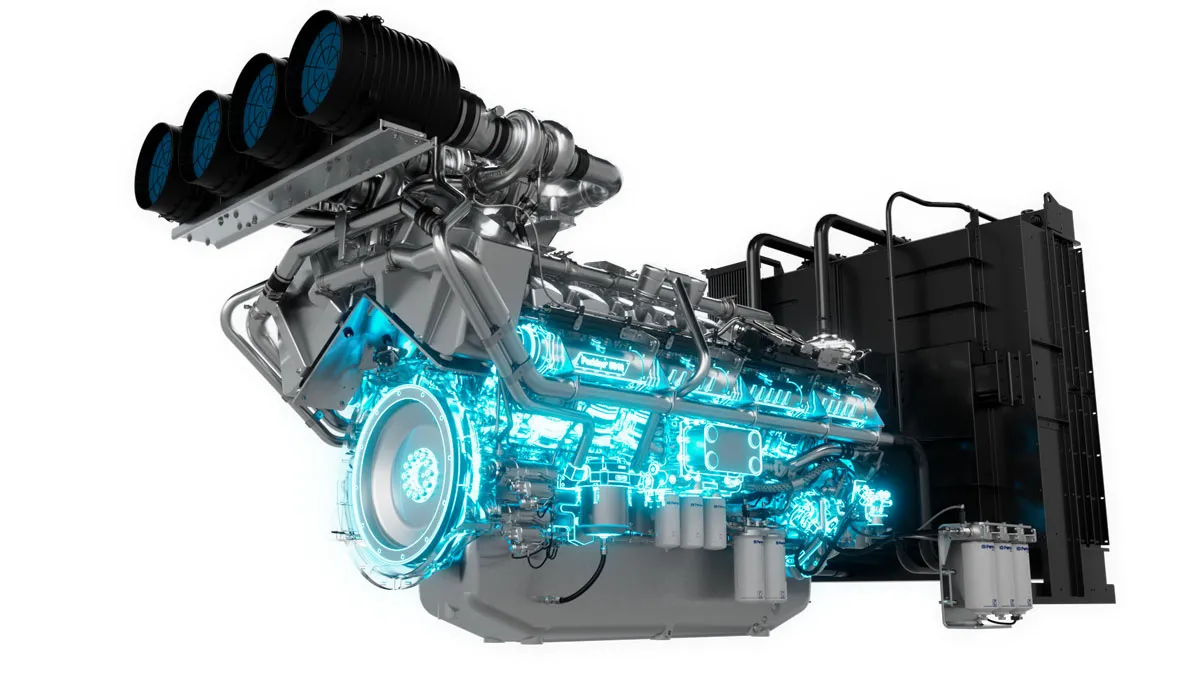
Perkins Begins Production of 5016 Power Generation Engine

Perkins has commenced production of its new 5016 full-authority electronic engine, completing its 5000 Series range of 6-, 8-, 12- and 16-cylinder engines. Manufactured in Stafford, UK, and Aurangabad, India, the range delivers up to 2,500 kVA of standby power and 2,250 kVA of prime power.The 61-litre V16 engine delivers 1,400–2,500 kVA at 50 Hz for base load, prime and standby applications. Designed for power generation, it supports critical infrastructure, including data centres, hospitals, airports and remote worksites.Engineered to meet ISO G3 and NFPA110 standards, the 5016 incorporates..
Next Story
Real Estate

JAPAN BUILD Tokyo 2026 Expects 35,000 Visitors

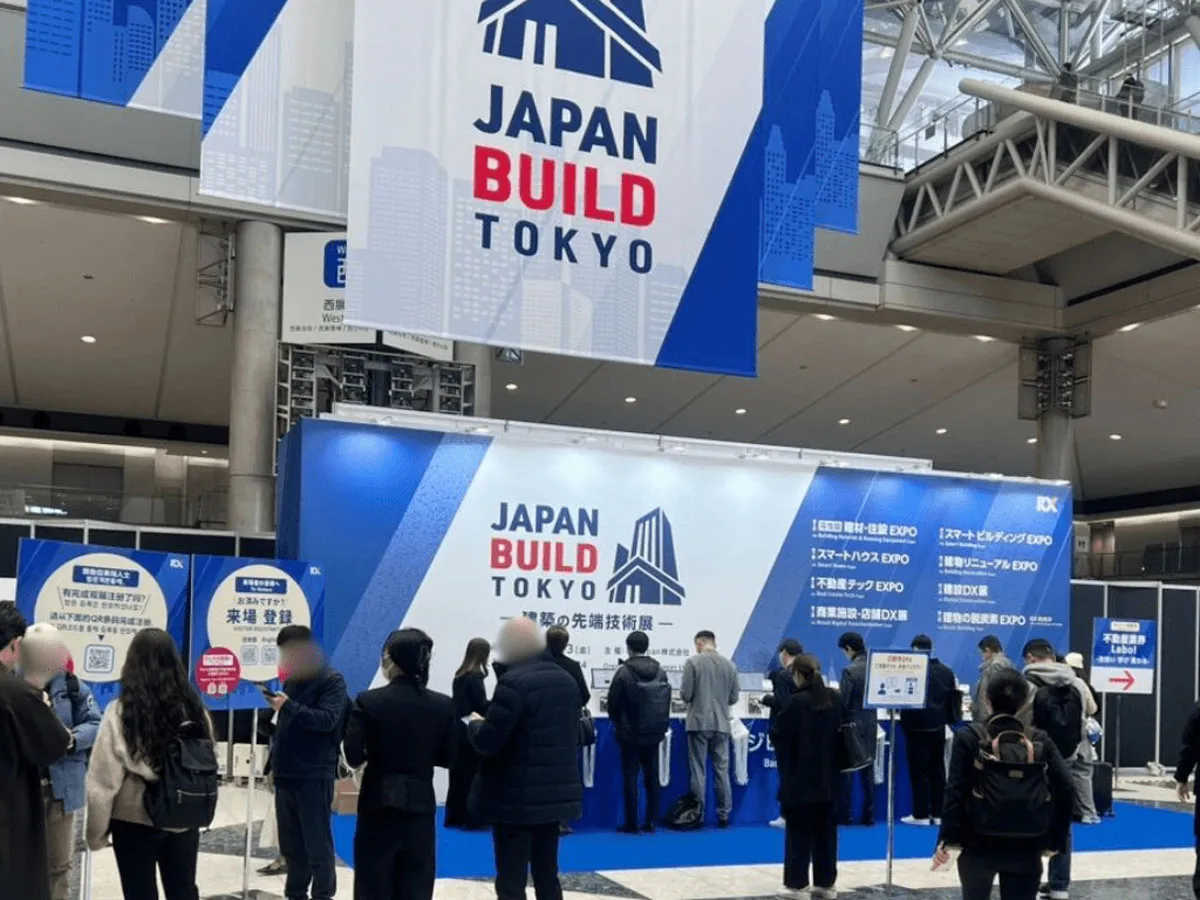
RX Japan GK will organise the 11th edition of JAPAN BUILD Tokyo at Tokyo Big Sight from 2–4 December 2026, with approximately 35,000 visitors expected from the building, construction and real estate sectors.The exhibition will bring together manufacturers, developers, contractors, architects, distributors and property owners. According to the organiser, 51.2 per cent of visitors hold managerial positions or above, providing exhibitors with opportunities to engage with procurement decision-makers. The previous edition attracted 33,618 visitors and 548 exhibitors.JAPAN BUILD Tokyo will feature..

Next Story
Infrastructure Urban

Magma Signs LOIs Worth Over Rs 8 Bn Across Industrial Businesses

Magma has signed Letters of Intent (LOIs) worth more than Rs 8 bn across its advanced materials, waste management, precision engineering and digital industrial solutions businesses.The company expects to execute around 70 per cent of the current LOI pipeline during FY27, providing visibility for the remainder of the financial year. The pipeline reflects rising demand from enterprise manufacturers and deeper engagement across Magma’s customer relationships.India’s industrial B2B trade is estimated at around USD 2 trillion. In precision engineering, imports account for 60-65 per cent of high..

Advertisement

Subscribe to Our Newsletter

Get daily newsletters around different themes from Construction world.

STAY CONNECTED

Advertisement

SPECIAL OFFER
QR Code