Port of the Future
PORTS & SHIPPING

Port of the Future

Development of ports provides an impetus to economic activities regionally, nationally as well as globally, shares SUDHIR KANVINDE.Gerhardt Muller defines a port as: “A harbour or haven where ships may anchor, or a harbour area with marine termin...

Development of ports provides an impetus to economic activities regionally, nationally as well as globally, shares SUDHIR KANVINDE.Gerhardt Muller defines a port as: “A harbour or haven where ships may anchor, or a harbour area with marine terminal facilities for transferring cargo or passengers between ships and land transportation.” In this definition, the word ‘marine’ may imply that the port is a territorial unit established on a coastline.Historically, ports have played a significant and critical role in the building of several major economies around the world. They have been the basis of the colonial power, established by the European countries, including both military as well as commercial activities. Port facilities have been traditionally considered as infrastructural facilities assisting various productive activities. Infrastructure is the lifeline of a nation, and its significance cannot be emphasised enough. Development of ports provides an impetus to economic activities regionally, nationally as well as globally. The current scenarioIn the current times, a port has moved much beyond this definition, and has now transformed into a logistics platform. Globalisation of complex industrial production processes has increased the importance of seaports in the global supply chain. Port activity is no longer limited to just cargo handling; logistics service provision has become a core part of the business. In this situation, the most imperative aspects of logistics performance are logistics costs and reliability of supply chains. Poor logistics facilitation takes a large toll on a country’s competitive advantage. India has 12 major ports and approximately 187 non-major ports administered by Central and state governments, respectively. Since about more than 90 per cent of India’s trade by volume is conducted via the country’s maritime route, there is a continuous need to develop the country's ports and trade related infrastructure to accelerate growth in other sectors. This includes port operational efficiency improvement, capacity expansion of existing ports and new port development.Enhancing connectivityThe evacuation time to and from the ports depends on the connectivity of the ports with the hinterlands. Enhanced connectivity and the overall effectiveness of the logistics systems will ensure smooth flow of traffic. This is an ongoing process to meet the requirements of projected increase in traffic. Maritime logistics is an important component of the Indian economy. India is still to fully and consistently leverage benefits of port-led development of the Indian coastline. The Sagarmala scheme aims to promote port based or port-proximate industrial and manufacturing clusters. Establishing industrial capabilities near the coast will lower the logistics cost and improve export competitiveness. Sectors such as power, steel and cement have been identified for the domestic markets.Port-led developmentFor promoting port-led industrialisation, 14 Coastal Economic Zones (CEZs) covering all the Maritime States and Union Territories have been proposed. The CEZ perspective plans have been prepared and Detailed Master Plans will be prepared for four pilot CEZs in the first phase of development (Gujarat, Maharashtra, Tamil Nadu and Andhra Pradesh).The Sagarmala programme has a vision to reduce logistics cost and time for the movement of EXIM and domestic cargo and development of port-proximate future industrial capacities near the coast is a step in this direction. In this regard, 29 potential port-linked industrial clusters across three sectors – Energy, Materials and Discrete Manufacturing, have been identified under Sagarmala. These include 13 bulk clusters for basic input industries such as power, refineries and petrochemicals, steel and cement, two maritime clusters and 14 discrete manufacturing clusters, in the labour intensive sectors of electronics, apparel, leather products, furniture and food-processing.The way forwardDigitalisation of the logistics sector is the way forward. Technology and digital integration are the key drivers that will eventually bring about the desired changes. Enabling the various stakeholder and related entities, in the logistics ecosystem, to interact with each other through an integrated, and secured platform will lead to greater transparency and reduced cost. It is believed that IoT can greatly contribute to the industry to perform better.About the author: Sudhir Kanvinde, Executive Director, Indian Ports Association, has over 25 years of experience in the IT space. He is currently involved in the process of digitisation of various ports in India, through technology roadmap orchestration, and manages the IT needs across policies, people and processes.To share your views, write in at feedback@ConstructionWorld.in

Next Story
Real Estate

Indian real estate attracts USD 1.4 bn institutional investments in Q1 2026: Vestian

Institutional investments in India’s real estate sector touched USD 1.4 billion in Q1 2026, marking the highest first-quarter inflow since 2022, according to Vestian. While investments fell 62 per cent quarter-on-quarter due to an exceptionally high base in the previous quarter, they rose 74 per cent compared to the same period last year, reflecting sustained investor confidence despite rising geopolitical and macroeconomic challenges.Commercial real estate remained the key driver of investment activity during the quarter, accounting for 80 per cent of total inflows, sharply higher than 38 p..
Next Story
Infrastructure Transport

VECV crosses 1 lakh annual vehicle sales milestone in FY26

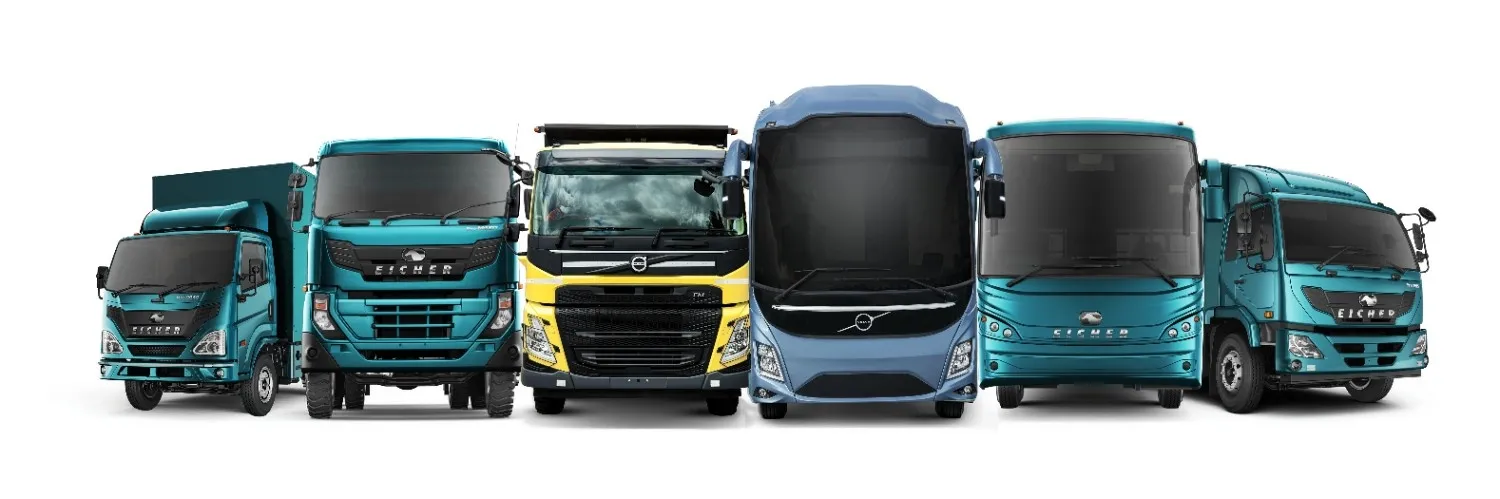
VE Commercial Vehicles (VECV), a joint venture between Volvo Group and Eicher Motors, has surpassed the 1 lakh annual sales mark in FY 2025–26, recording its highest-ever commercial vehicle sales performance. The company said it sold more than 100,000 vehicles during the year, marking a major milestone aligned with the original vision of the Volvo–Eicher joint venture.The strong performance was supported by demand across categories. Light and Medium Duty (LMD) trucks contributed 47,789 units, accounting for 46.1 per cent of total sales. Heavy Duty (HD) trucks recorded 26,867 units (25.9 pe..
Next Story
Technology

Rodic Digital & Advisory partners SatSure to deploy EO intelligence in public sector

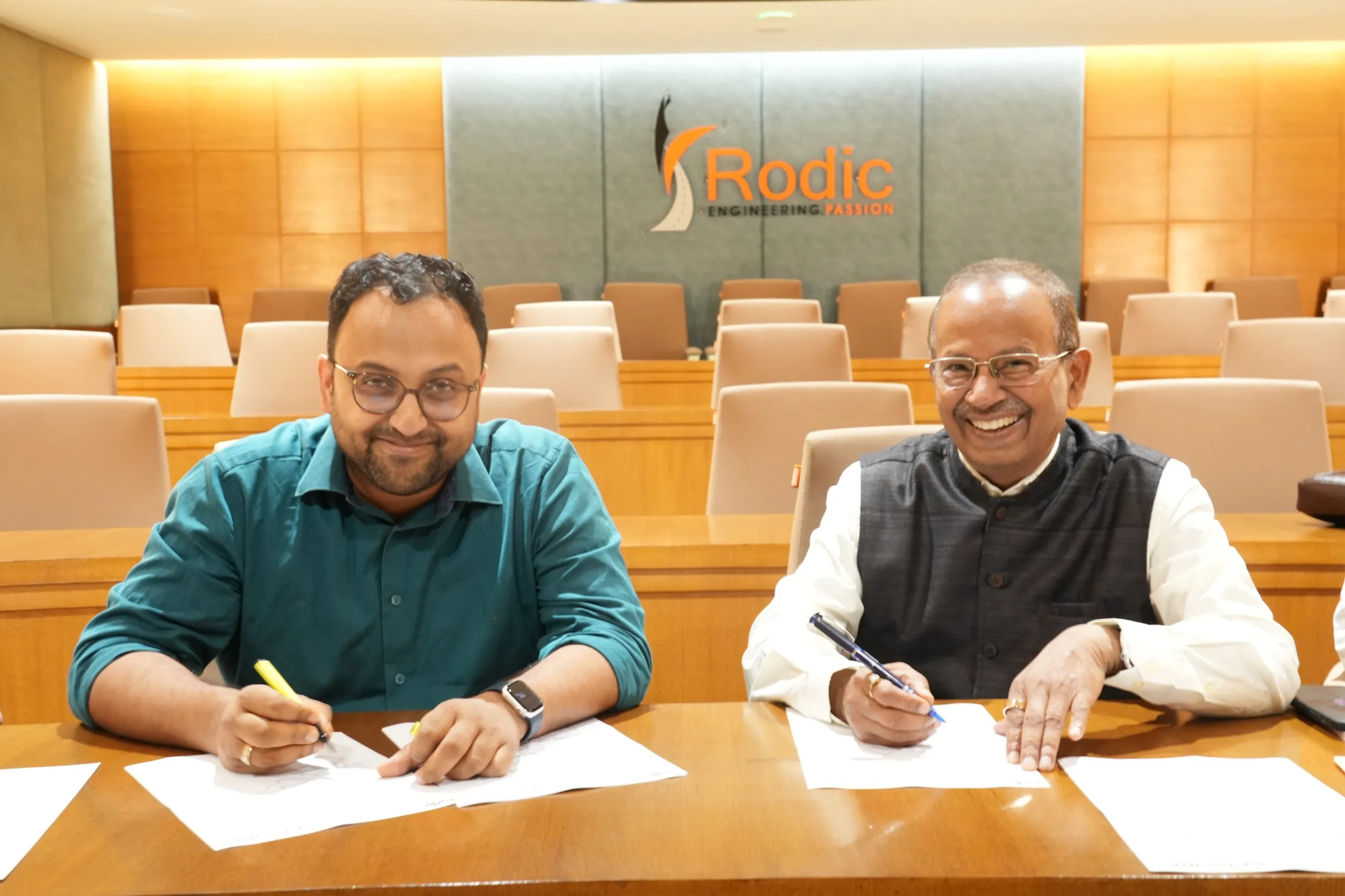
Rodic Digital & Advisory (RDA), the strategic advisory and digital transformation arm of Rodic Consultants, has signed a strategic cooperation Memorandum of Understanding (MoU) with SatSure to jointly pursue opportunities in India’s public sector. The collaboration aims to integrate high-resolution Earth Observation (EO) data and geospatial AI into government workflows to strengthen monitoring, compliance, and operational decision-making across key sectors.The partnership combines SatSure’s Earth intelligence capabilities with RDA’s expertise in government digital transformation and ..

Advertisement

Subscribe to Our Newsletter

Get daily newsletters around different themes from Construction world.

STAY CONNECTED

Advertisement

Advertisement

Advertisement