Delhi Master Plan 2041: DDA receives over 12k suggestions, objections
Real Estate

Delhi Master Plan 2041: DDA receives over 12k suggestions, objections

More than 12,000 suggestions and objections have been received by Delhi Development Authority (DDA) regarding the draft Master Plan for Delhi 2041.

The draft was placed in the public domain 75 days ago, and the last day to submit public inputs was on Monday.

For a sustainable and liveable Delhi, the MPD-2041 draft, meant as a strategic and enabling framework in two decades, was made open to the public on 9 June for 45 days but later extended to 23 August.

A DDA official said on Monday till 6 pm, 12,099 suggestions or objections were received, of which 7,337 were received through the post, 362 through email, and 4,400 via comments on the agency’s portal. The portal had 5,151 registered users and had witnessed a claimed user traffic of 63,062.

The official said that the suggestions and objections DDA received on various issues would now be subjected to online public hearings likely in October this year. DDA intends to notify MPD-2041 by this year's end or by early next year.

Among the various suggestions, the save our city campaign has held the mixed land use policy for being the cause of city chaos in their suggestions.

The campaign said that the policy has encouraged rampant commercialisation, which has raised congestion and added pressure on infrastructures.

The draft MPD-2041 appears to be a document of hope rather than redemption. The draft fails to address issues Delhi is grappling with, said Rajiv Kakria, convener of the campaign.

One suggestion received by DDA was from East Delhi resident welfare association (RWAs) joint front on the issue of the growing number of vehicles in the city and the lack of adequate parking.

The front said that in 2019, the city had more than 75 Lakh vehicles, but the available parking area was for less than one lakh vehicles.

Yamuna Jiye Abhiyan, convener, Manoj Misra, said that while he welcomed the draft MPD-2041, saying upfront that its focus was on the environment, it shouldn’t have been taken up as a standalone subject.

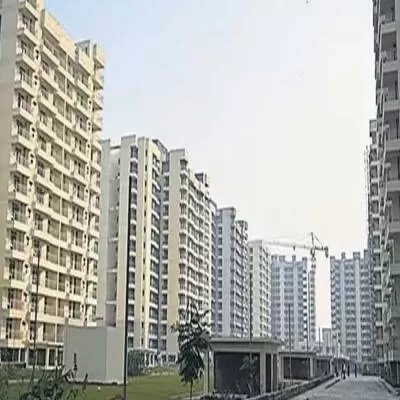
Image Source


Also read: Affordable rental housing: DDA nods scheme under Delhi Master Plan

Also read: Delhi Draft Master Plan 2041: Final draft of to be ready by year end

More than 12,000 suggestions and objections have been received by Delhi Development Authority (DDA) regarding the draft Master Plan for Delhi 2041. The draft was placed in the public domain 75 days ago, and the last day to submit public inputs was on Monday. For a sustainable and liveable Delhi, the MPD-2041 draft, meant as a strategic and enabling framework in two decades, was made open to the public on 9 June for 45 days but later extended to 23 August. A DDA official said on Monday till 6 pm, 12,099 suggestions or objections were received, of which 7,337 were received through the post, 362 through email, and 4,400 via comments on the agency’s portal. The portal had 5,151 registered users and had witnessed a claimed user traffic of 63,062. The official said that the suggestions and objections DDA received on various issues would now be subjected to online public hearings likely in October this year. DDA intends to notify MPD-2041 by this year's end or by early next year. Among the various suggestions, the save our city campaign has held the mixed land use policy for being the cause of city chaos in their suggestions. The campaign said that the policy has encouraged rampant commercialisation, which has raised congestion and added pressure on infrastructures. The draft MPD-2041 appears to be a document of hope rather than redemption. The draft fails to address issues Delhi is grappling with, said Rajiv Kakria, convener of the campaign. One suggestion received by DDA was from East Delhi resident welfare association (RWAs) joint front on the issue of the growing number of vehicles in the city and the lack of adequate parking. The front said that in 2019, the city had more than 75 Lakh vehicles, but the available parking area was for less than one lakh vehicles. Yamuna Jiye Abhiyan, convener, Manoj Misra, said that while he welcomed the draft MPD-2041, saying upfront that its focus was on the environment, it shouldn’t have been taken up as a standalone subject. Image Source Also read: Affordable rental housing: DDA nods scheme under Delhi Master Plan Also read: Delhi Draft Master Plan 2041: Final draft of to be ready by year end

Next Story
Infrastructure Urban

Centre Clears Power Distribution Upgrade for Uttar Pradesh

The Central Government has approved power distribution projects worth Rs 407.39 billion for Uttar Pradesh under the Revamped Distribution Sector Scheme (RDSS). The investment will be used to modernise the state's electricity distribution infrastructure and strengthen network capacity across urban and rural areas. The package targets one of the country's largest distribution networks as the state experiences rapid urbanisation and rising electricity consumption. Planned interventions include the strengthening of distribution lines, modernisation of substations, replacement of ageing electrical ..

Next Story
Infrastructure Energy

India Data Centres To Consume 191 TWh By 2040 Driving Renewables

A Wood Mackenzie report says India's operational data centre capacity is projected to increase more than fivefold to 12 gigawatt (GW) by 2030 from 2.2 GW in 2025 as artificial intelligence (AI) and cloud computing drive demand. It projects electricity consumption to rise from 10 terawatt-hour (TWh) in 2025 to 191 TWh by 2040. The study forecasts a compound annual growth rate of around 40 per cent and notes AI-dedicated capacity will surge nearly 24-fold from 275 megawatt (MW) in 2025 to 6,546 MW by 2030. The report places India's digital economy at Rs 32 trillion (tn) in 2025 and says it contr..

Next Story
Infrastructure Transport

Hydrogen Train Completes 1,200 Kilometres Of Trials

India's first hydrogen train was flagged off between Jind and Sonipat on July 17 and has travelled over 1,200 kilometres in trials, saving diesel consumption of more than 3,200 litres, a Railway Ministry press release said. The deployment marks the introduction of a zero-emission fuel cell train into route testing and represents a milestone in domestic rail innovation. The train generates electricity onboard through a chemical reaction between hydrogen and oxygen, producing electricity to propel the vehicle while emitting only water vapour as a by-product. There is no smoke and no tailpipe car..

Advertisement

Subscribe to Our Newsletter

Get daily newsletters around different themes from Construction world.

STAY CONNECTED

Advertisement

Advertisement

Advertisement