Housing Affordability Rises Sharply Across Indian Tier I Cities
Real Estate

Housing Affordability Rises Sharply Across Indian Tier I Cities

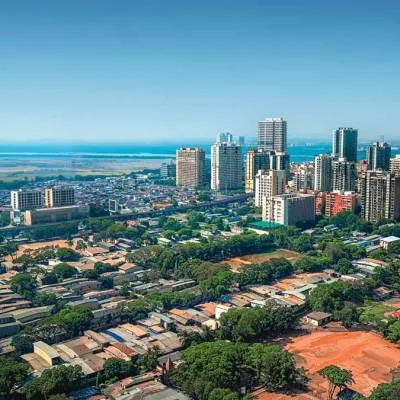
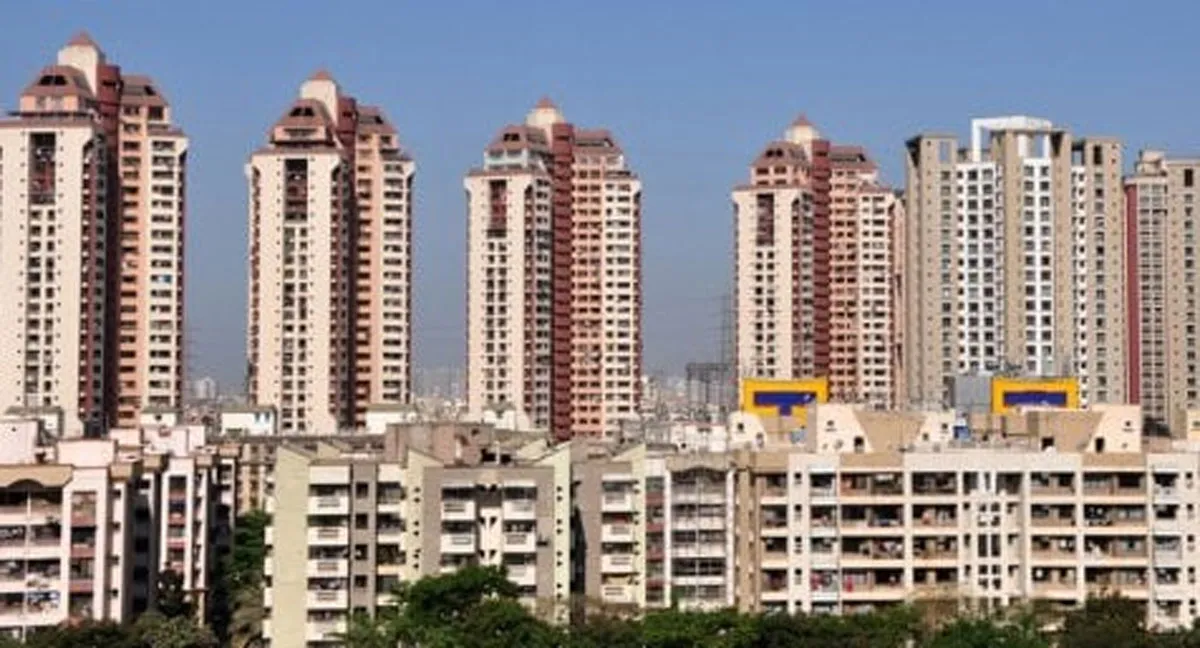
Housing affordability in most Tier I cities has improved markedly over the past 15 years, supported by rising incomes, moderate housing price growth and wider access to credit, according to a new report by Colliers India. Average affordability, measured through the price-to-income (P/I) ratio, has strengthened from 88.5 in 2010 to 45.3 in 2025—almost doubling buyer purchasing power. This improvement has been driven by annual income growth of around 10 per cent, outpacing the 5–7 per cent rise in housing prices.

The sector’s resilience is notable given the disruptive policy transitions of the past decade, including PMAY, RERA, demonetisation, the NBFC crisis, SWAMIH and GST. Despite these shifts, residential sales have remained steady, reaching 0.3–0.4 million units per year in recent post-pandemic years as infrastructure networks expanded and affordability improved.

Badal Yagnik, CEO & MD of Colliers India, said that strong demand, supportive interest rates and healthy income growth continue to underpin sales. Higher household incomes, he added, have helped absorb increased construction costs and firmer property prices.

All eight major housing markets have seen a clear rise in affordability since 2010, with Ahmedabad and Hyderabad emerging as among the most affordable. Colliers notes that despite the broader gains, micro-market trends vary widely based on local demand, pricing strategies and buyer financial profiles.

Credit expansion has been a central driver. Outstanding home loans have grown more than tenfold, from Rs 300 billion in 2010 to over Rs 3 trillion in 2025. Housing loans now account for roughly 17 per cent of total bank credit, up from around 10 per cent in 2010. This steady rise demonstrates the segment’s “resilience and strong demand fundamentals,” said Vimal Nadar, National Director and Head of Research at Colliers. Lower repo rates—currently 5.5 per cent—are expected to further support affordability in the near term.

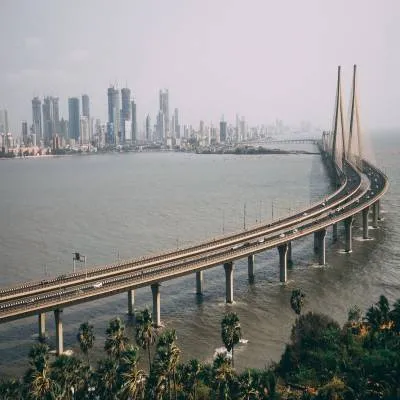
Improved connectivity through metro expansions, expressways and decentralised office hubs has boosted the appeal of peripheral locations across Tier I cities. As a result, residential catchment areas are widening and the price gap between central and suburban areas is narrowing, particularly in Bengaluru, Hyderabad and Ahmedabad. Even in traditionally expensive markets such as Mumbai, Delhi NCR and Chennai, the difference between central and peripheral prices has gradually reduced over the past decade.

Colliers expects momentum in the housing market to continue as affordability strengthens and new infrastructure corridors unlock additional micro-markets. However, the report highlights an ongoing shortage of affordable housing supply and calls for a unified definition of “affordable housing” across government and financial institutions to improve access to lower-cost finance for low-income buyers.

Lalit Parihar, Managing Director of Aaiji Group, said Ahmedabad’s sustained affordability is underpinned by strong industrial growth—including semiconductor manufacturing—and significant infrastructure upgrades. These factors, coupled with steady price appreciation, have created a market where homeownership remains both accessible and aspirational.

Housing affordability in most Tier I cities has improved markedly over the past 15 years, supported by rising incomes, moderate housing price growth and wider access to credit, according to a new report by Colliers India. Average affordability, measured through the price-to-income (P/I) ratio, has strengthened from 88.5 in 2010 to 45.3 in 2025—almost doubling buyer purchasing power. This improvement has been driven by annual income growth of around 10 per cent, outpacing the 5–7 per cent rise in housing prices. The sector’s resilience is notable given the disruptive policy transitions of the past decade, including PMAY, RERA, demonetisation, the NBFC crisis, SWAMIH and GST. Despite these shifts, residential sales have remained steady, reaching 0.3–0.4 million units per year in recent post-pandemic years as infrastructure networks expanded and affordability improved. Badal Yagnik, CEO & MD of Colliers India, said that strong demand, supportive interest rates and healthy income growth continue to underpin sales. Higher household incomes, he added, have helped absorb increased construction costs and firmer property prices. All eight major housing markets have seen a clear rise in affordability since 2010, with Ahmedabad and Hyderabad emerging as among the most affordable. Colliers notes that despite the broader gains, micro-market trends vary widely based on local demand, pricing strategies and buyer financial profiles. Credit expansion has been a central driver. Outstanding home loans have grown more than tenfold, from Rs 300 billion in 2010 to over Rs 3 trillion in 2025. Housing loans now account for roughly 17 per cent of total bank credit, up from around 10 per cent in 2010. This steady rise demonstrates the segment’s “resilience and strong demand fundamentals,” said Vimal Nadar, National Director and Head of Research at Colliers. Lower repo rates—currently 5.5 per cent—are expected to further support affordability in the near term. Improved connectivity through metro expansions, expressways and decentralised office hubs has boosted the appeal of peripheral locations across Tier I cities. As a result, residential catchment areas are widening and the price gap between central and suburban areas is narrowing, particularly in Bengaluru, Hyderabad and Ahmedabad. Even in traditionally expensive markets such as Mumbai, Delhi NCR and Chennai, the difference between central and peripheral prices has gradually reduced over the past decade. Colliers expects momentum in the housing market to continue as affordability strengthens and new infrastructure corridors unlock additional micro-markets. However, the report highlights an ongoing shortage of affordable housing supply and calls for a unified definition of “affordable housing” across government and financial institutions to improve access to lower-cost finance for low-income buyers. Lalit Parihar, Managing Director of Aaiji Group, said Ahmedabad’s sustained affordability is underpinned by strong industrial growth—including semiconductor manufacturing—and significant infrastructure upgrades. These factors, coupled with steady price appreciation, have created a market where homeownership remains both accessible and aspirational.

Next Story
Infrastructure Energy

Arunachal Launches First Commercial Coal Block

The Coal Ministry has announced the launch of Arunachal Pradesh’s first commercial coal block, marking a major step in expanding industrial activity in the North East. The project is expected to produce around 0.2 million tonnes per annum and generate nearly Rs 1.75 billion in annual revenue. The initiative is also set to create hundreds of local jobs, supporting economic growth and strengthening regional development. It forms part of the government’s broader commitment to promoting self-reliance and sustainable progress under the vision of Viksit Bharat. Sharing the announcement, the Un..

Next Story
Infrastructure Urban

Bihar Clears Major Spend For Police Infrastructure

The Bihar government has approved a wide-ranging programme to construct police infrastructure across Nawada, Lakhisarai and Samastipur districts, with a total estimated investment of Rs 2.76 billion. Deputy Chief Minister Samrat Choudhary, who oversees the home department, confirmed that all three projects have secured approval and construction will begin shortly. He said the initiative aims to modernise the police force and improve living conditions for personnel, ultimately strengthening policing across the state. In Nawada, the government has sanctioned the construction of twelve single ho..

Next Story
Infrastructure Transport

India Unveils First All-Electric Green Tug

Union Minister for Ports, Shipping and Waterways, Sarbananda Sonowal, has virtually inaugurated the steel-cutting ceremony for India’s first all-electric green tug, marking a major leap towards sustainable maritime operations. The vessel, designed for the Deendayal Port Authority (DPA) in Kandla, forms a key part of the Ministry’s Green Tug Transition Programme (GTTP), which aims to accelerate maritime decarbonisation across the country. The virtual ceremony was attended by Minister of State for Ports, Shipping and Waterways, Shantanu Thakur, along with senior officials from DPA and partn..

Advertisement

Subscribe to Our Newsletter

Get daily newsletters around different themes from Construction world.

STAY CONNECTED

Advertisement

Advertisement

Advertisement

Advertisement

Open In App