




Japanese companies expand GCC operations in India
Real Estate

Japanese companies expand GCC operations in India

More than 100 Japanese companies have established or are expanding Global Capability Centres (GCCs) in India, with a growing focus on artificial intelligence (AI), engineering, digital innovation, product development, cybersecurity and advanced analytics. The shift marks an expansion beyond traditional back-office and operational support functions towards higher-value technology and innovation activities.

Japanese companies are increasingly using their Indian GCCs to support digital transformation, address talent shortages and contribute to global business strategies. These centres are taking on responsibilities such as developing digital products, implementing AI and automation, strengthening cybersecurity, and delivering engineering and analytics solutions.

“Japanese companies are not coming to India simply to reduce costs. They are building strategic capability centres that create business value, drive innovation and support global transformation initiatives,” said Arpita Srivastava, Managing Director, APAC Tenant Representation and GCC Advisory.

The expansion is being driven by demand for digital and engineering talent, India's STEM graduate pool and the availability of established office infrastructure and technology clusters. India is estimated to produce 2.5 to 2.8 million STEM graduates annually, according to the information provided in the release.

As GCC mandates become more specialised, Japanese companies are integrating their Indian operations more closely into global innovation and decision-making processes. Bengaluru, Hyderabad and Pune continue to be established destinations, while emerging talent markets are also being considered to support expansion and access specialised skills.

Srivastava said the focus among Japanese companies was shifting from whether to establish a GCC in India to how quickly they could scale their strategic capabilities. She added that India's talent availability, operational maturity and scalability were supporting this transition.

Japanese investment is also extending beyond GCC operations into office campuses, technology parks and real estate platforms that support India's innovation ecosystem. This positions Japan as both an occupier of GCC space and an investor in the infrastructure supporting the sector.

The growing presence of Japanese companies reflects a broader shift in the role of GCCs, from cost-focused service centres to hubs for innovation, talent development and enterprise-wide technology initiatives.

“Over the next decade, we expect Japanese companies to play an even greater role in the evolution of India's GCC ecosystem, while India will become an increasingly important source of innovation for Japanese enterprises,” Srivastava said.

More than 100 Japanese companies have established or are expanding Global Capability Centres (GCCs) in India, with a growing focus on artificial intelligence (AI), engineering, digital innovation, product development, cybersecurity and advanced analytics. The shift marks an expansion beyond traditional back-office and operational support functions towards higher-value technology and innovation activities.Japanese companies are increasingly using their Indian GCCs to support digital transformation, address talent shortages and contribute to global business strategies. These centres are taking on responsibilities such as developing digital products, implementing AI and automation, strengthening cybersecurity, and delivering engineering and analytics solutions.“Japanese companies are not coming to India simply to reduce costs. They are building strategic capability centres that create business value, drive innovation and support global transformation initiatives,” said Arpita Srivastava, Managing Director, APAC Tenant Representation and GCC Advisory.The expansion is being driven by demand for digital and engineering talent, India's STEM graduate pool and the availability of established office infrastructure and technology clusters. India is estimated to produce 2.5 to 2.8 million STEM graduates annually, according to the information provided in the release.As GCC mandates become more specialised, Japanese companies are integrating their Indian operations more closely into global innovation and decision-making processes. Bengaluru, Hyderabad and Pune continue to be established destinations, while emerging talent markets are also being considered to support expansion and access specialised skills.Srivastava said the focus among Japanese companies was shifting from whether to establish a GCC in India to how quickly they could scale their strategic capabilities. She added that India's talent availability, operational maturity and scalability were supporting this transition.Japanese investment is also extending beyond GCC operations into office campuses, technology parks and real estate platforms that support India's innovation ecosystem. This positions Japan as both an occupier of GCC space and an investor in the infrastructure supporting the sector.The growing presence of Japanese companies reflects a broader shift in the role of GCCs, from cost-focused service centres to hubs for innovation, talent development and enterprise-wide technology initiatives.“Over the next decade, we expect Japanese companies to play an even greater role in the evolution of India's GCC ecosystem, while India will become an increasingly important source of innovation for Japanese enterprises,” Srivastava said.

Related Stories

Gold Stories

Next Story
Infrastructure Transport

Supreme Infrastructure posts first post-scheme quarterly profit

Supreme Infrastructure India reported its first profitable quarter following the completion of its Composite Scheme, with a sharp increase in revenue and a significant reduction in finance costs driving its financial turnaround in Q2 FY27.Revenue from operations rose 114.8 per cent year-on-year to Rs 290.04 million in Q2 FY27, compared with Rs 135.02 million in the corresponding quarter last year. Total income increased 130.3 per cent to Rs 335.63 million from Rs 135.56 million.The company reported a profit after tax (PAT) of Rs 36.78 million in Q2 FY27, against a loss of Rs 591.43 million in ..

Next Story
Infrastructure Transport

J. Kumar Infraprojects Q2 profit rises 25 per cent to Rs 1.13 billion

J. Kumar Infraprojects reported a 25 per cent year-on-year increase in net profit to Rs 1.13 billion in Q2 FY27, while revenue from operations grew 15 per cent to Rs 15.39 billion.Profitability improved faster than revenue, with EBITDA rising 18 per cent to Rs 2.29 billion. The EBITDA margin expanded to 14.9 per cent, supported by cost control and steady project execution. Net profit margin increased to 7.4 per cent from 6.7 per cent in the corresponding quarter last year.The company's order book stood at Rs 227.11 billion, equivalent to nearly four times its annual revenue. It secured fresh o..
Next Story
Equipment

NORD India to invest Rs 4 billion in new Pune manufacturing facility

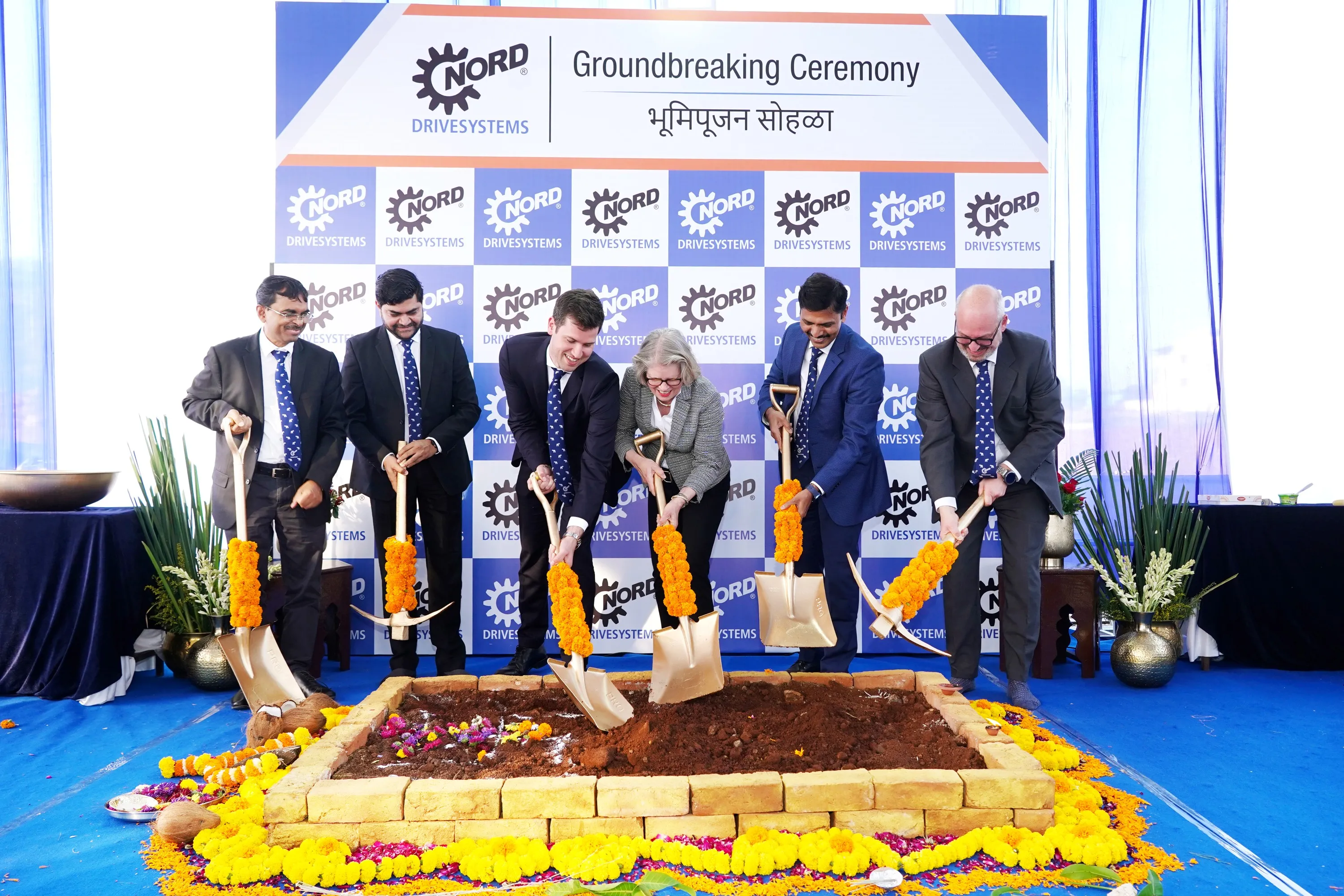
NORD Drivesystems India (NDPL) has commenced construction of a new manufacturing facility at RMK Industrial Park 3, near MIDC Talegaon Phase V, Pune, with a planned investment of Rs 4 billion. The expansion will double the company's gearbox and geared motor production capacity and introduce gear-component manufacturing.The facility will cater to domestic demand and exports to other NORD subsidiaries, including its headquarters in Germany. The company also plans to manufacture gears and related components at the new plant, supporting both the Indian market and global operations.Dhanraj Kalbhor,..

Advertisement

Subscribe to Our Newsletter

Get daily newsletters around different themes from Construction world.

STAY CONNECTED

Advertisement

SPECIAL OFFER
QR Code