DGTR Opens Anti-Dumping Probe into Aluminium Imports
ECONOMY & POLICY

DGTR Opens Anti-Dumping Probe into Aluminium Imports

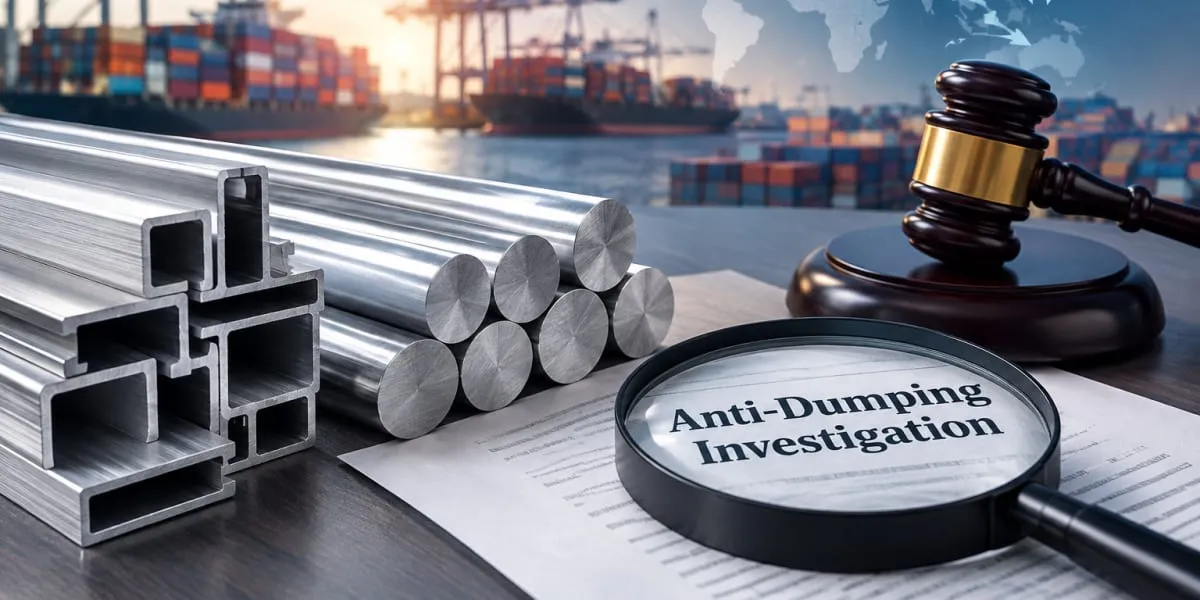
The Directorate General of Trade Remedies (DGTR) has initiated a suo motu anti-dumping investigation into aluminium products imported from China, Malaysia, Vietnam and Thailand. The investigation follows concerns that increased imports from the four countries have caused injury to domestic manufacturers, particularly micro, small and medium enterprises (MSMEs).

According to a DGTR notification dated November 9, the probe followed representations from the Aluminium Extrusion Manufacturers Association of India (ALEMAI). The association represents 228 manufacturers producing aluminium extrusion profiles, structures and related articles, and alleged that a significant rise in dumped imports had harmed the domestic industry.

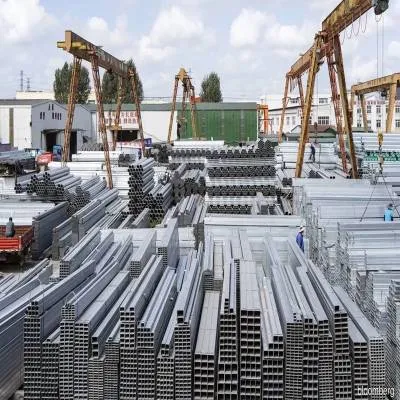
The products covered by the investigation are used in industrial, transport, electrical and engineering applications. These include windows, doors, solar mounting structures, furniture, industrial framing and bicycle components. DGTR will examine whether dumping occurred, assess its extent and determine its impact on domestic producers.

Following the investigation, DGTR may recommend an anti-dumping duty if it finds that dumped imports caused material injury to the domestic industry. The final decision on imposing any such duty rests with the Finance Ministry. The investigation is intended to assess whether trade remedies are required to address the concerns raised by manufacturers.

Anti-dumping investigations are generally initiated after applications from domestic producers, although DGTR can also begin proceedings on its own initiative. This approach can assist fragmented industries whose individual members may face difficulties in pursuing trade remedy cases independently.

Anti-dumping measures are permitted under World Trade Organization (WTO) rules to address unfair trade practices and support competitive conditions for domestic manufacturers. While lower-priced imports can offer consumers greater availability and reduced costs, they can become a concern when they cause material injury, weaken domestic production or undermine the competitiveness of local businesses. DGTR’s findings will determine whether any recommended duties are justified under the applicable trade remedy framework.

The Directorate General of Trade Remedies (DGTR) has initiated a suo motu anti-dumping investigation into aluminium products imported from China, Malaysia, Vietnam and Thailand. The investigation follows concerns that increased imports from the four countries have caused injury to domestic manufacturers, particularly micro, small and medium enterprises (MSMEs). According to a DGTR notification dated November 9, the probe followed representations from the Aluminium Extrusion Manufacturers Association of India (ALEMAI). The association represents 228 manufacturers producing aluminium extrusion profiles, structures and related articles, and alleged that a significant rise in dumped imports had harmed the domestic industry. The products covered by the investigation are used in industrial, transport, electrical and engineering applications. These include windows, doors, solar mounting structures, furniture, industrial framing and bicycle components. DGTR will examine whether dumping occurred, assess its extent and determine its impact on domestic producers. Following the investigation, DGTR may recommend an anti-dumping duty if it finds that dumped imports caused material injury to the domestic industry. The final decision on imposing any such duty rests with the Finance Ministry. The investigation is intended to assess whether trade remedies are required to address the concerns raised by manufacturers. Anti-dumping investigations are generally initiated after applications from domestic producers, although DGTR can also begin proceedings on its own initiative. This approach can assist fragmented industries whose individual members may face difficulties in pursuing trade remedy cases independently. Anti-dumping measures are permitted under World Trade Organization (WTO) rules to address unfair trade practices and support competitive conditions for domestic manufacturers. While lower-priced imports can offer consumers greater availability and reduced costs, they can become a concern when they cause material injury, weaken domestic production or undermine the competitiveness of local businesses. DGTR’s findings will determine whether any recommended duties are justified under the applicable trade remedy framework.

Related Stories

Gold Stories

Next Story
Infrastructure Urban

NMDC Explores Lithium Investments with Russia’s Rosatom

State-owned miner NMDC is in preliminary discussions with Russian state nuclear corporation Rosatom to explore investments in lithium mining and processing projects in Russia, according to media reports citing three people familiar with the matter. The discussions are part of India’s efforts to diversify critical mineral supply chains and secure lithium for batteries and electric vehicles. NMDC officials visited Russia last month to attend a conference and held discussions with Rosatom representatives, the reports said. The miner is examining opportunities across lithium mining and processin..

Next Story
Infrastructure Urban

HCA Global Services Pre-leases 644,000 Sq Ft at Mindspace

HCA Global Services, the Indian subsidiary and Global Capability Centre (GCC) arm of US-based healthcare services provider HCA Healthcare, has pre-leased 644,000 sq ft of office space at Mindspace IT Park in Hyderabad for 10 years. The total rental commitment is estimated at Rs. 9.45 bn, according to documents accessed by Propstack. The office park is owned by Mindspace Business Parks REIT and leased by K Raheja IT Park (Hyderabad). The agreement covers 644,000 sq ft of chargeable area and 451,000 sq ft of carpet area across seven levels in Building 8. The premises include the lower ground flo..

Next Story
Infrastructure Energy

India’s Russian Fossil Fuel Imports Hit Record EUR 6.4 bn in October

India’s purchases of Russian fossil fuels reached a record EUR 6.4 bn in October 2026, with crude oil accounting for 91 per cent of the total, according to an analysis by the Centre for Research on Energy and Clean Air (CREA). The monthly value was the highest in data dating back to January 2022 and helped Russia record its strongest fossil fuel export revenues since December 2022. India was the second-largest buyer of Russian fossil fuels during the month, behind China, which purchased EUR 10.7 bn. India’s crude oil imports totalled EUR 5.8 bn, while coal accounted for EUR 333 mn and oil ..

Advertisement

Subscribe to Our Newsletter

Get daily newsletters around different themes from Construction world.

STAY CONNECTED

Advertisement

SPECIAL OFFER
QR Code