


Real Estate Developers Bet Big on Tier II Cities
Real Estate

Real Estate Developers Bet Big on Tier II Cities

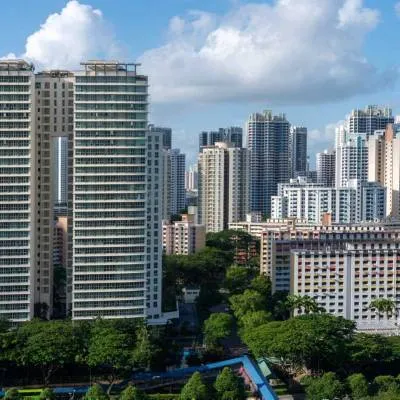
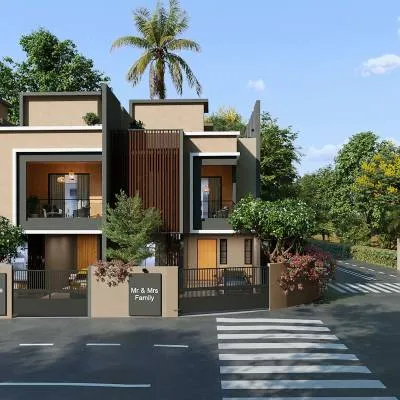
Real estate developers are shifting focus to Tier II cities as the next phase of growth, responding to rising housing demand beyond major metropolitan areas. The move is driven by improving infrastructure, lower land costs and a search for higher yields compared with saturated urban markets. Several developers are reallocating inventory and planning new projects in second-tier centres to tap unmet demand for affordable and mid?segment housing. Market watchers view the trend as a structural shift rather than a cyclical change.

Demand patterns show families and young professionals favouring smaller cities for employment opportunities, lower living costs and improved connectivity. Residential sales and enquiry levels have in many cases stabilised or grown as remote working reduces the need to be close to central business districts. Developers are also noting stronger interest in retail and logistics segments as consumption shifts nearer to emerging urban centres. Local governments have offered incentives and expedited approvals in some locations, further encouraging investment.

Financial models for projects in these cities typically show quicker breakeven periods and healthier margins due to lower acquisition costs and more modest development expenses. Builders are focusing on affordable and mid-market products, while a smaller number are developing integrated townships that combine housing, retail and community facilities. Partnerships with local contractors and brownfield redevelopment deals help reduce execution risk and shorten timelines. Lenders have begun to tailor financing packages to suit phased construction in these regions.

Risks include pockets of oversupply in isolated locations and sensitivity to interest rate movements that can affect affordability for buyers. Policymakers and developers will need to monitor land supply, infrastructure delivery and local demand dynamics to avoid speculative cycles. The consolidation of the trend will depend on sustained employment growth, continued policy support and the capacity of local markets to absorb new supply. Observers expect a gradual rebalancing of the sector with second-tier cities playing an increasingly important role in overall housing growth.

Real estate developers are shifting focus to Tier II cities as the next phase of growth, responding to rising housing demand beyond major metropolitan areas. The move is driven by improving infrastructure, lower land costs and a search for higher yields compared with saturated urban markets. Several developers are reallocating inventory and planning new projects in second-tier centres to tap unmet demand for affordable and mid?segment housing. Market watchers view the trend as a structural shift rather than a cyclical change. Demand patterns show families and young professionals favouring smaller cities for employment opportunities, lower living costs and improved connectivity. Residential sales and enquiry levels have in many cases stabilised or grown as remote working reduces the need to be close to central business districts. Developers are also noting stronger interest in retail and logistics segments as consumption shifts nearer to emerging urban centres. Local governments have offered incentives and expedited approvals in some locations, further encouraging investment. Financial models for projects in these cities typically show quicker breakeven periods and healthier margins due to lower acquisition costs and more modest development expenses. Builders are focusing on affordable and mid-market products, while a smaller number are developing integrated townships that combine housing, retail and community facilities. Partnerships with local contractors and brownfield redevelopment deals help reduce execution risk and shorten timelines. Lenders have begun to tailor financing packages to suit phased construction in these regions. Risks include pockets of oversupply in isolated locations and sensitivity to interest rate movements that can affect affordability for buyers. Policymakers and developers will need to monitor land supply, infrastructure delivery and local demand dynamics to avoid speculative cycles. The consolidation of the trend will depend on sustained employment growth, continued policy support and the capacity of local markets to absorb new supply. Observers expect a gradual rebalancing of the sector with second-tier cities playing an increasingly important role in overall housing growth.

Next Story
Technology

India Data Centre Market to Cross USD 22 Bn by 2030: Vestian

India’s data centre market is projected to more than double from around USD 10 billion in 2025 to USD 22 billion by 2030, according to a latest report by Vestian. The growth is expected to be driven by rising cloud adoption, expanding AI workloads and increasing demand for data-intensive digital services.Vestian noted that the global data centre sector is witnessing rapid expansion, with current installed capacity estimated at 40–50 GW and projections exceeding 100 GW by 2030. Within this evolving landscape, India is emerging as a strategic hub in the Asia-Pacific region, supported by its ..

Next Story
Real Estate

Retail Leasing Hits 4.3 Mn Sq Ft in H2 2025: ANAROCK RELEAP 2026

India’s retail real estate market recorded a total retail absorption of around 4.3 million sq ft across the top seven cities in H2 2025, reflecting steady leasing activity despite a dynamic market environment, according to ANAROCK Retail’s flagship report, RELEAP 2026.The report highlights a structural shift in the sector as organised retail moves beyond transactional formats toward experience-led spaces that combine shopping, entertainment and dining. Apparel emerged as the leading category driving leasing demand during the period, followed by entertainment, hypermarkets/supermarkets, and..

Next Story
Building Material

Berger Paints Launches ‘Garmi Gone, Thandak On’ Cooling Range

Berger Paints India has launched its Home Cooling Paints Range along with a nationwide campaign titled ‘Garmi Gone, Thandak On’, as rising temperatures continue to pose growing challenges for households across India.The company said the campaign promotes smarter and energy-efficient cooling solutions by focusing on preventing heat from entering homes rather than relying solely on air conditioning. Berger Paints stated that a significant amount of heat enters homes through walls, rooftops and structural openings, making surface protection an important factor in reducing indoor discomfort du..

Advertisement

Subscribe to Our Newsletter

Get daily newsletters around different themes from Construction world.

STAY CONNECTED

Advertisement

Advertisement

Advertisement