Residential Sales Dip Four Per Cent In Eight Indian Cities
Real Estate

Residential Sales Dip Four Per Cent In Eight Indian Cities

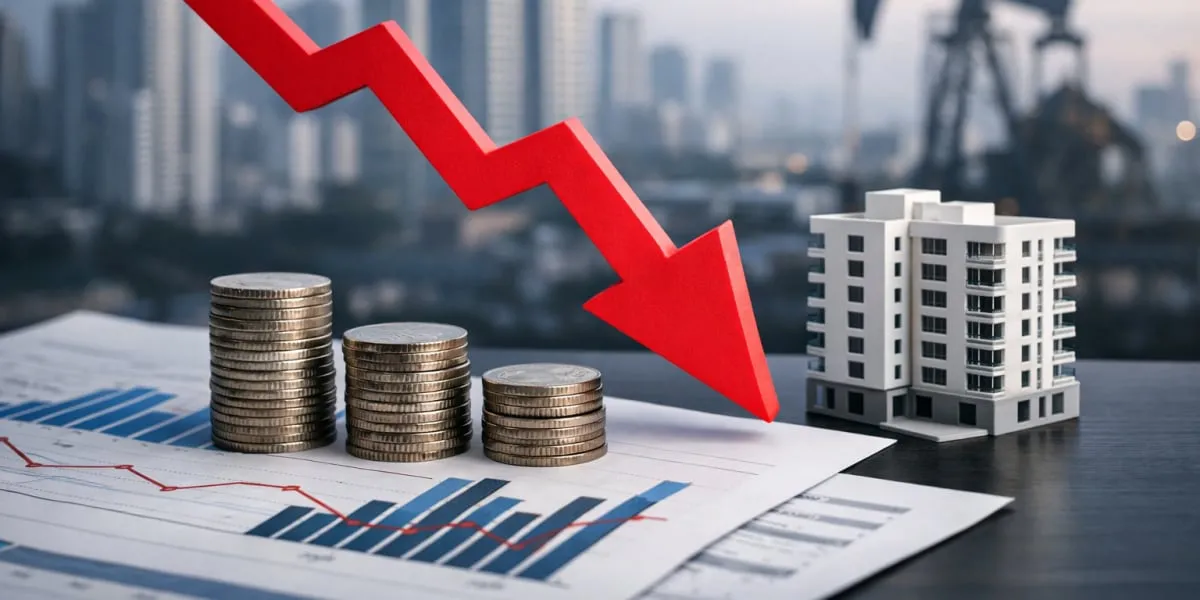
A report by Knight Frank said housing sales across eight major Indian cities fell by four per cent in the first quarter of 2026 compared with the same period last year. A total of 84,827 homes were sold between January and March 2026, down from 88,361 units in the first quarter of 2025. The decline was attributed to sustained high property prices and uncertainty linked to the ongoing conflict in Iran and wider West Asia.

The fall varied across cities, with Mumbai recording a fall of around seven per cent as 23,185 homes were sold during the quarter. The Delhi-National Capital Region saw sales drop by 11 per cent to 12,734 units while Pune experienced an 11 per cent decrease to 12,711 homes. These figures suggested that potential buyers were exercising caution amid rising costs.

Several cities recorded growth, indicating regional divergence in demand. Bengaluru's sales rose by five per cent to 13,092 units and Hyderabad saw a modest increase of one per cent, reaching 9,541 units. Chennai recorded a nine per cent rise to 4,763 homes sold, and both Ahmedabad and Kolkata posted annual gains.

Knight Frank noted that sustained high prices had eroded affordability for many buyers, particularly first-time purchasers and those seeking mid-range dwellings, and that geopolitical uncertainty had influenced buyer sentiment and investment decisions. The January–March quarter is traditionally a period of strong housing activity, and a decline at that time marked a departure from recent patterns. Affordability, supply dynamics and broader economic conditions were likely to shape residential transaction trends in the coming months. Observers said that policy changes and the availability of home finance could influence the pace of recovery, with stronger support likely to lift mid-segment demand more quickly.

A report by Knight Frank said housing sales across eight major Indian cities fell by four per cent in the first quarter of 2026 compared with the same period last year. A total of 84,827 homes were sold between January and March 2026, down from 88,361 units in the first quarter of 2025. The decline was attributed to sustained high property prices and uncertainty linked to the ongoing conflict in Iran and wider West Asia. The fall varied across cities, with Mumbai recording a fall of around seven per cent as 23,185 homes were sold during the quarter. The Delhi-National Capital Region saw sales drop by 11 per cent to 12,734 units while Pune experienced an 11 per cent decrease to 12,711 homes. These figures suggested that potential buyers were exercising caution amid rising costs. Several cities recorded growth, indicating regional divergence in demand. Bengaluru's sales rose by five per cent to 13,092 units and Hyderabad saw a modest increase of one per cent, reaching 9,541 units. Chennai recorded a nine per cent rise to 4,763 homes sold, and both Ahmedabad and Kolkata posted annual gains. Knight Frank noted that sustained high prices had eroded affordability for many buyers, particularly first-time purchasers and those seeking mid-range dwellings, and that geopolitical uncertainty had influenced buyer sentiment and investment decisions. The January–March quarter is traditionally a period of strong housing activity, and a decline at that time marked a departure from recent patterns. Affordability, supply dynamics and broader economic conditions were likely to shape residential transaction trends in the coming months. Observers said that policy changes and the availability of home finance could influence the pace of recovery, with stronger support likely to lift mid-segment demand more quickly.

Next Story
Infrastructure Transport

AFCONS & Navayuga set world records with Missing Link Expressway

Maharashtra’s most ambitious greenfield bypass — a 13.3-km alignment carrying twin record-setting tunnels and India’s tallest cable-stayed road bridge — was thrown open to traffic on Maharashtra Day, finally completing the Mumbai–Pune Expressway after a 23-year wait. CW reports…The 650-m cable-stayed bridge over Tiger Valley at sunset — the package executed by Afcons Infrastructure Ltd carries 182-m pylons, the tallest on any Indian road bridge.On 1 May 2026, Chief Minister Devendra Fadnavis, flanked by Deputy Chief Ministers Eknath Shinde and Sunetra Pawar (representing the late..

Next Story
Infrastructure Transport

Mumbai–Pune Missing Link boosts realty prospects

The recently opened ‘missing link’ on the Mumbai–Pune Expressway is set to significantly transform connectivity between the two cities by reducing travel time and bypassing the challenging ghat section. The new alignment, featuring tunnels and viaducts, is designed to improve safety, ease congestion and ensure a smoother, faster commute for both passenger and commercial traffic.With improved travel efficiency, the corridor is expected to strengthen intercity movement, encouraging more frequent travel for work, leisure and logistics. This enhanced accessibility is likely to benefit real e..

Next Story
Infrastructure Urban

How Hormuz is Hijacking Indian Highways

At the recently held RAHSTA Round Table on 29th April in Pune, and earlier during our webinars for Cement Expo by Indian Cement Review and by FIRST Construction Council on manufacturing construction equipment for the world, one thread lay common: the industry is being subjected to a cost-push chain reaction moving from crude oil → freight/insurance → steel, cement fuel, bitumen, polymers, packaging, logistics and finally project margins. Indeed, the West Asia crisis caused by the war and the Hormuz Strait blockade, which does not directly concern us, has turned around and hit us. If the wa..

Advertisement

Subscribe to Our Newsletter

Get daily newsletters around different themes from Construction world.

STAY CONNECTED

Advertisement

Advertisement

Advertisement