Urban Planners & City Architects Seek Mumbai DCPR 2034 Reexamination
Real Estate

Urban Planners & City Architects Seek Mumbai DCPR 2034 Reexamination

Dr Niranjan Hiranandani, Ghulam Zia and industry experts call for stronger resident safeguards, affordable housing and better urban planning. Urban Planners & Architects sought an urgent relook at DCPR 2034 at 3rd Mumbai Redevelopment Summit

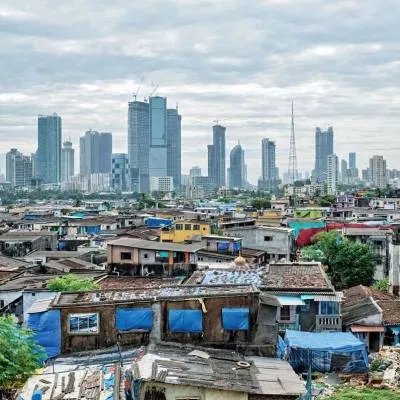
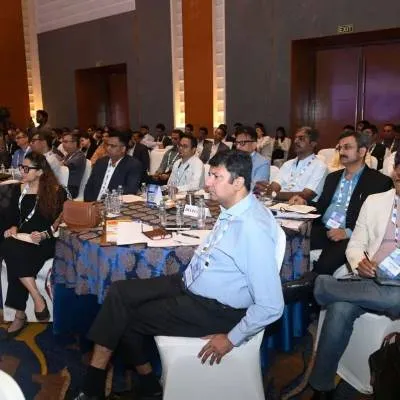
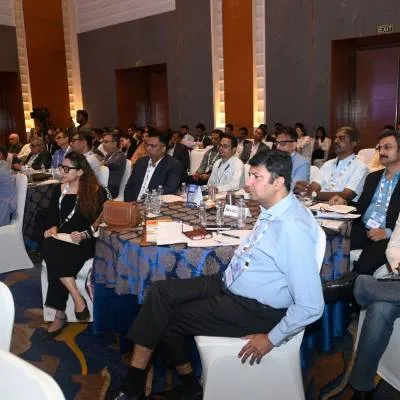
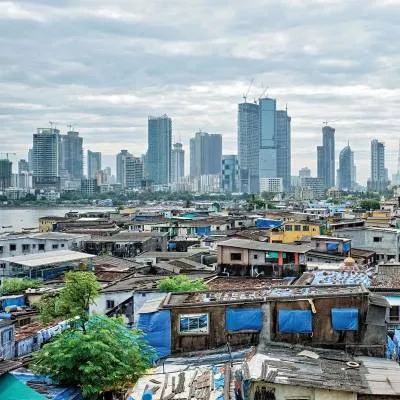
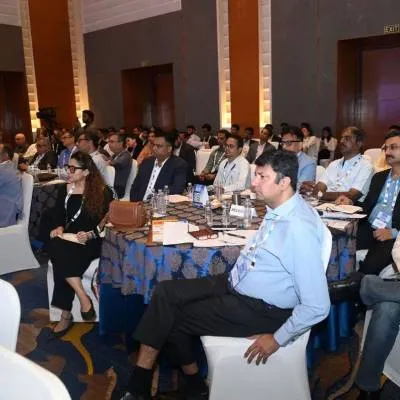
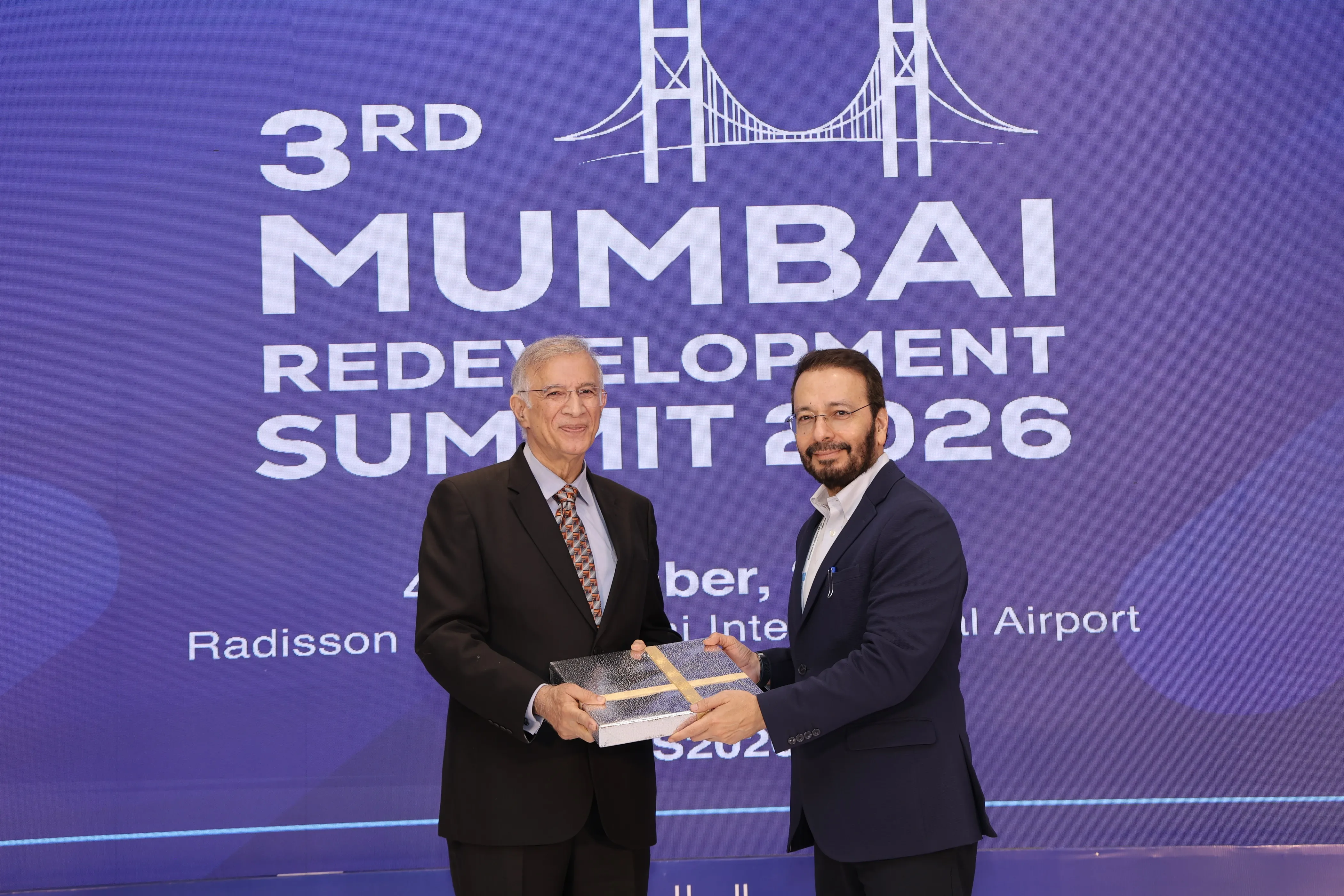
Mumbai's redevelopment must move beyond rebuilding individual buildings to creating sustainable, well-planned neighbourhoods supported by adequate infrastructure, industry leaders emphasised at the 3rd Mumbai Redevelopment Summit 2026, held on November 4 at Radisson Blu Mumbai International Airport.

The summit was presented by FIRST Construction Council in association with Construction World, with L&T as Gold Partner and IMPACCT as Business Intelligence Partner. It was supported by NAREDCO, MHADA, Builders Association of India (BAI) and Construction Federation of India (CFI). Themed Rebuilding Mumbai: From Redevelopment to Urban Transformation, the conference brought together developers, policymakers, architects, financial institutions and industry experts.

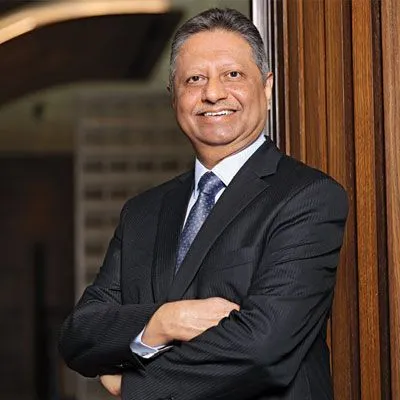
Delivering the keynote address, Dr Niranjan Hiranandani, Co-Founder and Managing Director, Hiranandani Group, highlighted India's economic growth and the opportunities arising from large-scale infrastructure development. He stressed that Mumbai's redevelopment must address housing affordability, high development charges and infrastructure capacity alongside the growing demand for real estate.
Calling redevelopment essential to improving living conditions, he advocated rationalising statutory charges, encouraging rental housing and phasing projects to avoid excessive supply entering the market simultaneously. He also emphasised that higher development potential must be matched by improvements in roads, water supply, transport and civic infrastructure.

In his welcome address, Pratap Padode, Founder and President, FIRST Construction Council part of ASAPP Info Global Group, highlighted the need to assess Mumbai's redevelopment pipeline against future housing demand and purchasing power. Citing JLL research, he noted that more than 1,000 redevelopment projects had been launched since 2020, with redevelopment accounting for 15 per cent of Mumbai's housing sales in the first half of 2026. He cautioned that the projected supply pipeline could create absorption challenges in the coming years.

Padode also called for stronger safeguards for existing residents, particularly regarding transit rent, project completion timelines, construction quality and delivery of promised homes.

Providing a market perspective, Ghulam Zia, Senior Executive Director, Knight Frank, estimated that around 1,300 development agreements had been signed in Mumbai since 2020, with approximately 250 expected in 2026. He cautioned that increasingly stringent approval processes, particularly for smaller plots, could delay projects and extend the waiting period for residents.

He also highlighted the growing participation of large corporate groups in redevelopment, noting that their financial strength and diversified businesses could support better project execution and delivery.

The summit featured discussions on Mumbai's emerging redevelopment micro-markets, city-scale redevelopment, project economics, FSI and TDR, institutional finance, construction risks and the role of architecture and infrastructure in shaping the city's future.

Bringing together perspectives from across the redevelopment ecosystem, the discussions underscored the need for coordinated policy, financing and execution to ensure that redevelopment delivers more than additional housing stock. The larger objective, speakers emphasised, must be a more liveable, inclusive and resilient Mumbai.

Dr Niranjan Hiranandani, Ghulam Zia and industry experts call for stronger resident safeguards, affordable housing and better urban planning. Urban Planners & Architects sought an urgent relook at DCPR 2034 at 3rd Mumbai Redevelopment SummitMumbai's redevelopment must move beyond rebuilding individual buildings to creating sustainable, well-planned neighbourhoods supported by adequate infrastructure, industry leaders emphasised at the 3rd Mumbai Redevelopment Summit 2026, held on November 4 at Radisson Blu Mumbai International Airport.The summit was presented by FIRST Construction Council in association with Construction World, with L&T as Gold Partner and IMPACCT as Business Intelligence Partner. It was supported by NAREDCO, MHADA, Builders Association of India (BAI) and Construction Federation of India (CFI). Themed Rebuilding Mumbai: From Redevelopment to Urban Transformation, the conference brought together developers, policymakers, architects, financial institutions and industry experts.Delivering the keynote address, Dr Niranjan Hiranandani, Co-Founder and Managing Director, Hiranandani Group, highlighted India's economic growth and the opportunities arising from large-scale infrastructure development. He stressed that Mumbai's redevelopment must address housing affordability, high development charges and infrastructure capacity alongside the growing demand for real estate.Calling redevelopment essential to improving living conditions, he advocated rationalising statutory charges, encouraging rental housing and phasing projects to avoid excessive supply entering the market simultaneously. He also emphasised that higher development potential must be matched by improvements in roads, water supply, transport and civic infrastructure.In his welcome address, Pratap Padode, Founder and President, FIRST Construction Council part of ASAPP Info Global Group, highlighted the need to assess Mumbai's redevelopment pipeline against future housing demand and purchasing power. Citing JLL research, he noted that more than 1,000 redevelopment projects had been launched since 2020, with redevelopment accounting for 15 per cent of Mumbai's housing sales in the first half of 2026. He cautioned that the projected supply pipeline could create absorption challenges in the coming years.Padode also called for stronger safeguards for existing residents, particularly regarding transit rent, project completion timelines, construction quality and delivery of promised homes.Providing a market perspective, Ghulam Zia, Senior Executive Director, Knight Frank, estimated that around 1,300 development agreements had been signed in Mumbai since 2020, with approximately 250 expected in 2026. He cautioned that increasingly stringent approval processes, particularly for smaller plots, could delay projects and extend the waiting period for residents.He also highlighted the growing participation of large corporate groups in redevelopment, noting that their financial strength and diversified businesses could support better project execution and delivery.The summit featured discussions on Mumbai's emerging redevelopment micro-markets, city-scale redevelopment, project economics, FSI and TDR, institutional finance, construction risks and the role of architecture and infrastructure in shaping the city's future.Bringing together perspectives from across the redevelopment ecosystem, the discussions underscored the need for coordinated policy, financing and execution to ensure that redevelopment delivers more than additional housing stock. The larger objective, speakers emphasised, must be a more liveable, inclusive and resilient Mumbai.

Related Stories

Gold Stories
Next Story
Resources

Bluspring Q2 EBITDA rises 130 per cent to Rs 670 million

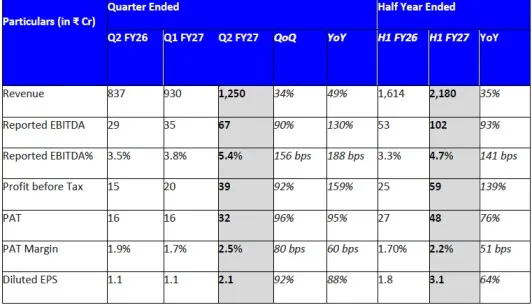
Bluspring Enterprises reported a 49 per cent year-on-year increase in revenue to Rs 12.5 billion in Q2 FY27, while EBITDA rose 130 per cent to Rs 670 million. Profit after tax (PAT) increased 95 per cent to Rs 320 million. The financial results exclude the company's investment in foundit.EBITDA margin expanded by 188 basis points to 5.4 per cent, compared with 3.5 per cent in Q2 FY26. Profit before tax rose 159 per cent to Rs 390 million, while diluted earnings per share increased 88 per cent to Rs 2.10.For the half year ended 30 September 2026, revenue grew 35 per cent to Rs 21.8 billion. EBI..
Next Story
Building Material

Shankar Fenestrations works on façade design for CRC The Flagship

Shankar Fenestrations and Glasses is involved in the façade development of CRC The Flagship, a commercial real estate project in Noida. The project highlights the role of glass and fenestration systems in contemporary commercial architecture, where aesthetics, functionality and material selection influence building design.Façade systems play an important role in defining a building's visual identity while addressing practical requirements related to building performance. The development also reflects the growing adoption of contemporary architectural approaches in Noida's commercial real est..

Advertisement

Subscribe to Our Newsletter

Get daily newsletters around different themes from Construction world.

STAY CONNECTED

Advertisement

SPECIAL OFFER
QR Code