We achieved a remarkable 40 per cent reduction in energy consumption
Real Estate

We achieved a remarkable 40 per cent reduction in energy consumption

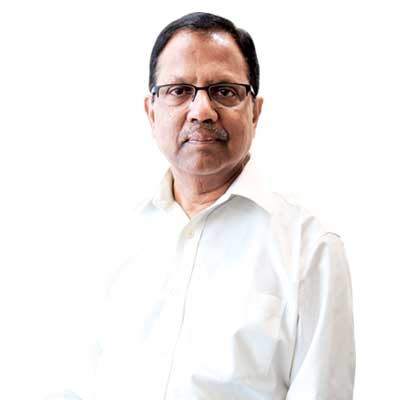
Akhil K Gupta, CEO, SP E&C

What did it take for the remarkable transformation of Pragati Maidan into the iconic Bharat Mandapam, a world-class Integrated Exhibition cum Convention Center (IECC) In this interview with Akhil K Gupta, CEO, SP E&C, SHRIYAL SETHUMADHAVAN delves into the intricacies of this monumental project, from its initial concept to its significant role in hosting the G20 summit, showcasing India’s prowess in delivering complex and globally benchmarked constructions.

How was the project infrastructure planned for the G20 meet, and what was the initial brief?
The comprehensive revamp plan of Pragati Maidan was conceptualised by the Indian Trade Promotion Organization (ITPO) following the direction of Prime Minister Narendra Modi in 2015. The objective was to rejuvenate the complex by demolishing the old facilities and developing a globally iconic Integrated Exhibition cum Convention Center (IECC). The master layout, under phase 1, covered 84 acre and was planned to accommodate a Convention Center with a capacity of 7,000 people, six large-sized exhibition halls, a 3,000-person capacity amphitheater, an administration building, a covered skywalk, F&B kiosks, ticket plazas, and external development. The scope of work was extensive, including high-end interiors and exteriors, the latest MEPF and ICT systems, high-level acoustics requirements, technology-driven AV systems, stage systems, lighting, musical fountains with light and sound shows, arts and sculptures, signage, landscaping, and street furniture, all to ensure that Bharat Mandapam remains one of the top convention centers in the world.

To read the full story, CLICK HERE.

Akhil K Gupta, CEO, SP E&CWhat did it take for the remarkable transformation of Pragati Maidan into the iconic Bharat Mandapam, a world-class Integrated Exhibition cum Convention Center (IECC) In this interview with Akhil K Gupta, CEO, SP E&C, SHRIYAL SETHUMADHAVAN delves into the intricacies of this monumental project, from its initial concept to its significant role in hosting the G20 summit, showcasing India’s prowess in delivering complex and globally benchmarked constructions.How was the project infrastructure planned for the G20 meet, and what was the initial brief?The comprehensive revamp plan of Pragati Maidan was conceptualised by the Indian Trade Promotion Organization (ITPO) following the direction of Prime Minister Narendra Modi in 2015. The objective was to rejuvenate the complex by demolishing the old facilities and developing a globally iconic Integrated Exhibition cum Convention Center (IECC). The master layout, under phase 1, covered 84 acre and was planned to accommodate a Convention Center with a capacity of 7,000 people, six large-sized exhibition halls, a 3,000-person capacity amphitheater, an administration building, a covered skywalk, F&B kiosks, ticket plazas, and external development. The scope of work was extensive, including high-end interiors and exteriors, the latest MEPF and ICT systems, high-level acoustics requirements, technology-driven AV systems, stage systems, lighting, musical fountains with light and sound shows, arts and sculptures, signage, landscaping, and street furniture, all to ensure that Bharat Mandapam remains one of the top convention centers in the world.To read the full story, CLICK HERE.

Next Story
Infrastructure Urban

India Expands Semiconductor Training To 500 Institutions

Under the Chips to Startups programme of the India Semiconductor Mission, the Union minister responsible for Railways, Information and Broadcasting, and Electronics and IT reported notable progress in talent development. He indicated that over the past four years substantial steps have been taken towards a 10-year target of training 85,000 engineers in semiconductor design. World-class EDA tools have been deployed in 315 academic institutions across the country to provide students with practical exposure to chip design. These EDA tools are supported by leading global firms and are accessible t..

Next Story
Infrastructure Urban

Delhi Institutions Support India Semiconductor Mission

The Government of India has prioritised talent development through training, upskilling and workforce development under the Chips to Startups initiative of the India Semiconductor Mission, with officials noting progress in four years towards a 10-year target of training 85,000 engineers in semiconductor design. Electronic design automation tools provided by Synopsys, Cadence, Siemens, Renesas, Ansys and AMD have been deployed in 315 academic institutions, enabling students to gain practical chip design experience. Chips have been fabricated and tested at the Semiconductor Laboratory, Mohali, a..

Next Story
Infrastructure Urban

NHA Announces Winners Of NHCX Hackathon At IIT Hyderabad

The National Health Authority (NHA) has concluded the NHCX Hackathon under the Ayushman Bharat Digital Mission (ABDM) to stimulate innovation around the National Health Claims Exchange (NHCX). The winning teams presented their solutions at the NHCX Innovation Meet held at IIT Hyderabad during a two-day event in March 2026 that also served as the hackathon grand finale. The hackathon itself ran from 22 to 28 February 2026 and aimed to accelerate paperless, transparent claims processing across India. The event was organised with a range of ecosystem partners, including the Insurance Regulatory a..

Advertisement

Subscribe to Our Newsletter

Get daily newsletters around different themes from Construction world.

STAY CONNECTED

Advertisement

Advertisement

Advertisement