
99% of Indian Manufacturers Turning to AI: Survey
Technology

99% of Indian Manufacturers Turning to AI: Survey

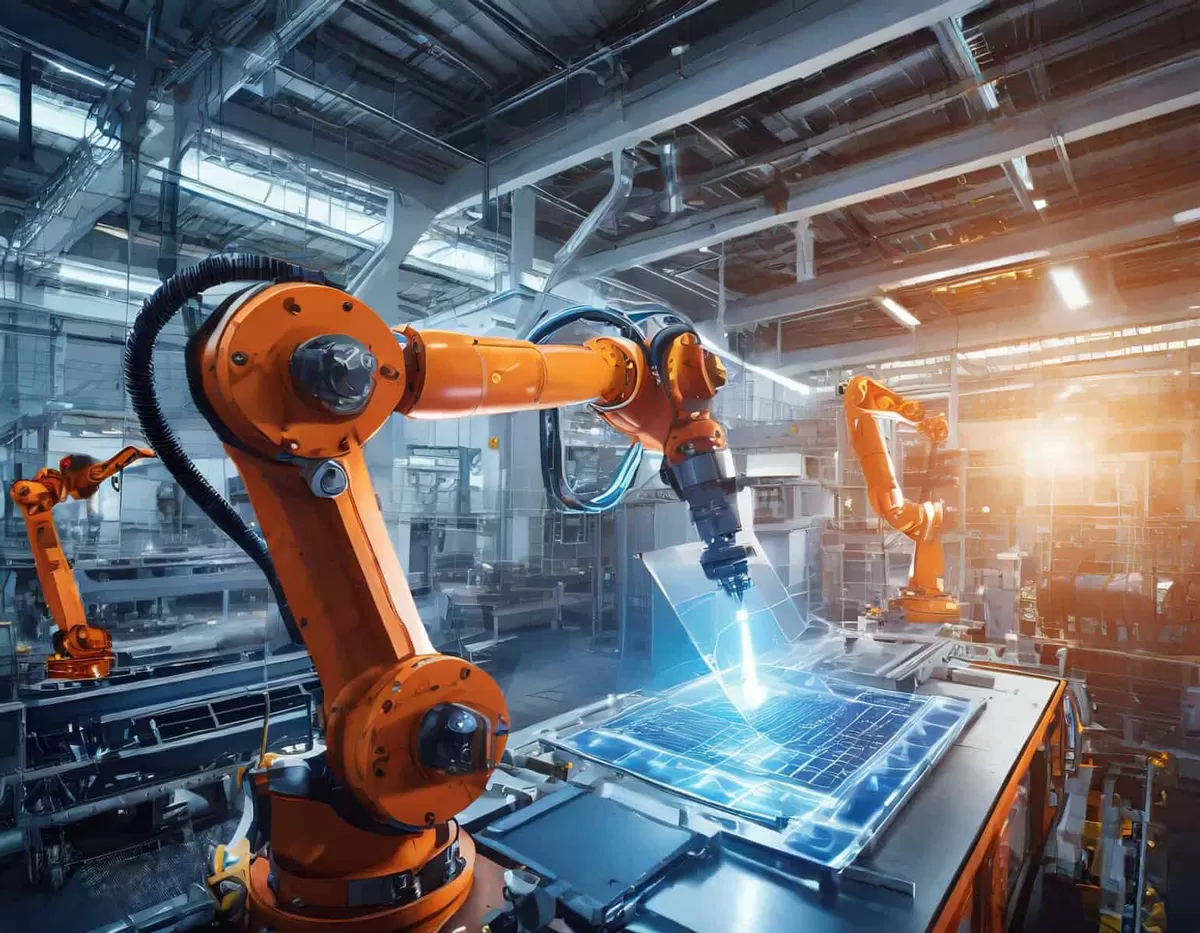
Nearly all manufacturing companies in India are now either actively investing in artificial intelligence (AI) and machine learning (ML) or have plans to do so, according to Rockwell Automation India. The company's Managing Director, Dilip Sawhney, stated that the latest industry survey shows AI integration reaching an all-time high of 99 per cent across firms.
Sharing insights from the annual smart manufacturing survey, Sawhney told PTI that the trend has accelerated sharply over recent years. “Two years ago, around two-thirds of organisations had either already invested in AI or planned to do so within the following 12 months. Last year, that figure rose past 90 per cent,” he said. “This year, it is as high as you can imagine—virtually 99 per cent. Every company is either deploying AI or planning to, signalling a transformative shift in Indian manufacturing.”
He also noted that a decade ago, most Indian manufacturers were still exploring what Industry 4.0 and smart manufacturing meant. Today, they are increasingly driven by the tangible value these technologies offer—such as operational efficiency, predictive maintenance, cost reduction, and better decision-making capabilities.
The rapid adoption of AI and ML reflects India’s growing commitment to digital transformation in industry and its ambition to strengthen its global competitiveness through smart, sustainable manufacturing.

Nearly all manufacturing companies in India are now either actively investing in artificial intelligence (AI) and machine learning (ML) or have plans to do so, according to Rockwell Automation India. The company's Managing Director, Dilip Sawhney, stated that the latest industry survey shows AI integration reaching an all-time high of 99 per cent across firms.Sharing insights from the annual smart manufacturing survey, Sawhney told PTI that the trend has accelerated sharply over recent years. “Two years ago, around two-thirds of organisations had either already invested in AI or planned to do so within the following 12 months. Last year, that figure rose past 90 per cent,” he said. “This year, it is as high as you can imagine—virtually 99 per cent. Every company is either deploying AI or planning to, signalling a transformative shift in Indian manufacturing.”He also noted that a decade ago, most Indian manufacturers were still exploring what Industry 4.0 and smart manufacturing meant. Today, they are increasingly driven by the tangible value these technologies offer—such as operational efficiency, predictive maintenance, cost reduction, and better decision-making capabilities.The rapid adoption of AI and ML reflects India’s growing commitment to digital transformation in industry and its ambition to strengthen its global competitiveness through smart, sustainable manufacturing.

Next Story
Infrastructure Transport

India Becomes First to Produce Bio-Bitumen for Roads

India has become the first country in the world to commercially produce bio-bitumen for use in road construction, according to Road, Transport and Highways Minister Nitin Gadkari. Bitumen, a black and viscous hydrocarbon derived from crude oil, is a key binding material in road building, and the bio-based alternative is expected to significantly improve the sector’s environmental footprint.Addressing the CSIR Technology Transfer Ceremony in New Delhi, Mr Gadkari congratulated Council of Scientific and Industrial Research on achieving the milestone, noting that the initiative would help curb ..

Next Story
Infrastructure Urban

HILT Policy Seen Boosting Telangana Revenue Sharply

The Hyderabad Industrial Land Transformation (HILT) Policy is expected to generate around Rs 1.08 billion in revenue for the Telangana state exchequer, according to Deputy Chief Minister Bhatti Vikramarka Mallu. Speaking in the Telangana Legislative Assembly, he said the policy would be implemented within a six-month timeframe in a transparent manner, with uniform rules applicable to all stakeholders. Mr Vikramarka noted that without the HILT Policy, the state would have earned only about Rs 1.2 million per acre. Under the new framework, however, revenue is projected to rise sharply to Rs 70 ..

Next Story
Infrastructure Urban

India Post, MoRD Tie Up to Boost Rural Inclusion

The Department of Posts and the Ministry of Rural Development have signed a Memorandum of Understanding to accelerate rural transformation and expand financial, digital and logistics services for Self-Help Groups (SHGs) and rural households across India. The agreement was signed in the presence of Union Minister of Communications and Development of North Eastern Region Jyotiraditya M. Scindia and Union Minister of Rural Development and Agriculture and Farmers’ Welfare Shivraj Singh Chouhan. The collaboration aligns with the government’s “Dak Sewa, Jan Sewa” vision and seeks to repositi..

Advertisement

Subscribe to Our Newsletter

Get daily newsletters around different themes from Construction world.

STAY CONNECTED

Advertisement

Advertisement

Advertisement

Advertisement

Open In App