- Home
- Technology
- Covid-19’s long-term changes to the construction industry
Covid-19’s long-term changes to the construction industry
Covid-19 has changed how people live, work and
interact in their personal and professional lives. While time will bring back
some semblance of normalcy, there will be some facets that will be changed for
the foreseeable future. That is clearly the case in the construction industry
as it has had to quickly navigate and rethink safety, supply chain issues,
design changes and more, many of which have been “in the works” for years. Many
of these sweeping changes and new approaches, discussed below, will remain in
place long after the outbreak has subsided.
Jobsite risk and safety have been redefined
Covid-19
has highlighted the importance of worker health and jobsite safety. In order to
continue working on projects, many commercial contractors quickly implemented
new practices for containing the virus, and keeping the jobsite and its workers
safe and healthy, including:
- social
distancing policies, such as, staggered start times and break times, and
shift work;
- controlled
access to worksites and increased security of the worksite so contractors
know exactly who is onsite and when, and so they can monitor
productivity;
- employee
self-monitoring for covid-19 symptoms;
- temperature
checks at the worksite;
- new
handwashing, sanitizing and disinfection policies for workers, tools,
machinery and work surfaces; and
- clear
guidelines for infectious diseases outbreak and response plans and sick
leave policies.
While
these and other changes can create safer, cleaner, less crowded and more
efficient construction sites, companies must be cognizant of the need to ensure
these new safety protocols do not negatively affect productivity.
Increased use of technology
This
unprecedented pandemic event has accelerated the adoption of construction
technology in ways that make project management easier. Tools such as video
conferencing have enabled the various players in a project to engage in project
meetings remotely, which for a contractor with multiple projects being
constructed simultaneously, can help them ensure the work is progressing
properly.
Owners
and safety managers can also now participate more closely in the project
meetings without physically traveling from site to site. Contractors, designers
and engineers of projects are relying more heavily on digital collaboration
tools such as 4D and 5D simulations and Building Information Modeling in order
to help replan or rescale projects and to schedule workers and shipments.
3D-printing has also been utilized to quickly manufacture critical parts to
counter supply chain disruptions. Some remote technology processes are even
allowing regulators and building departments to conduct inspections remotely,
which can cut down on inspection delays and allow for contractors to turn
projects over on time, which will likely continue after the crisis is over.
More remote work
Many
American workers have transitioned to working remotely and studies have shown
that a large percentage of the work force will continue operating remotely even
after they are allowed to return. While construction workers may not be able to
work remotely for most of their tasks, much of the support staff may be able
to, including the back-office workers, billing and accounting employees, and
other support staff. Reducing on-site staff can help companies manage costs,
decrease office overhead and apply the savings to the new safety measure and
better technology.
Smaller employee pool
In
the short term, many contractors have been tackling the shortage of workers.
Travel restrictions have prevented both domestic and migrant construction
workers from reaching jobsites, which limits the pool of the workers available,
causing an ever-widening labor gap. Moreover, Covid-19 has resulted in some
workers not returning to projects because of concerns over the risk of
infection, competing responsibilities at home, and reliance on unemployment
benefits from the CARES Act.
In
order to recruit skilled construction workers who will be increasingly in
demand and to maintain long-term productivity, companies will need to take
steps to educate personnel on how to protect themselves on-site, provide
adequate safety measures and PPE, and allow for more flexible sick and leave
policies.
Supply chain disruptions
The
pandemic has had a significant effect on the global supply chain due to the
fact that U.S.-based construction companies source large quantities of building
materials from China. Due to the virus outbreak in China, the closing of ports
and other travel restrictions, there were immediate supply chain disruptions in
the U.S., which forced U.S.-based companies to quickly turn to contingency
plans for solutions by seeking manufacturers of products at home and in nearby
countries such as Mexico. Since the concerns over sourcing and supply chains
persist, the construction industry will likely seek permanent domestic
suppliers and seek to maintain larger inventories of critical materials and
long-lead times to guard against similar disruptions and related delays in the
future.
Longer project timeframes
Many
of the changes at construction sites, in addition to the increased worker and
supply chain demands, will lead to longer project timeframes. Construction
schedules will need to take into consideration that the cumulative effect of
new safety precautions, the time it takes to put on PPE, the staggered shifts,
the social distancing requirements will slow down the progress of the work. Even
with the increased technology efficiencies, there will likely be little to no
fast-tracking of jobs in the near future. Contractors need to set expectations
for the entire project team, from the designers to the owners to the
subcontractors and other consultants, so everyone understands that projects are
going to take longer and plan accordingly.
Increase in offsite and modular construction
The
shortage of skilled workers, the supply chain issues and the need to increase
workplace safety have resulted in an increase in offsite, prefabricated and
modular construction. Because the modules or components are built in an
off-site facility and shipped to the construction site, this method allows for
quicker and more efficient work with less skilled labor and is often more cost
effective. Factory production also addresses some of the safety concerns raised
by the pandemic because it reduces both the time construction workers will be
at the jobsite and their time working closely with another person in order to
assemble materials and parts onsite. As the construction industry seeks new
ways to construct faster, safer and with reduced labor costs, the trend toward
more modular, prefabricated, and even 3D printed building walls and parts, will
continue to rise.
Communication and documentation among all players
will be key to job success
Finally,
more than ever, clear channels of communication and documenting the
construction plan will be critical to a project’s success. Contractors need to
ensure that their workers are following safety guidelines and regulations
before coming to work. Owners want to know how their projects are being
impacted by the pandemic and what steps the contractor is taking to bring the
project in safely, on-time and on budget. Subcontractors and staff will want to
know what safety protocols have been implemented to keep them safe. Ensuring
that there are effective channels of communication and clearly documented
project plans though well identified means, whether that is through email, zoom
meetings, or other online platforms, can help keep all team players aligned on
the goal and keep projects moving forward.
As
the construction industry navigates this crisis towards a new normal, leaders
in the industry have recognized that in many ways things will be changed for
the long term and have invested in the tools, strategies and operating
procedures to come out stronger and improve their future success.
Written by Deanna L Koestel. Reprinted from Construction Executive, 17 October 2020, a publication of Associated Builders and Contractors, Copyright 2020. All rights reserved. View original here.

Covid-19 has changed how people live, work and interact in their personal and professional lives. While time will bring back some semblance of normalcy, there will be some facets that will be changed for the foreseeable future. That is clearly the case in the construction industry as it has had to quickly navigate and rethink safety, supply chain issues, design changes and more, many of which have been “in the works” for years. Many of these sweeping changes and new approaches, discussed below, will remain in place long after the outbreak has subsided. Jobsite risk and safety have been redefined Covid-19 has highlighted the importance of worker health and jobsite safety. In order to continue working on projects, many commercial contractors quickly implemented new practices for containing the virus, and keeping the jobsite and its workers safe and healthy, including: social distancing policies, such as, staggered start times and break times, and shift work; controlled access to worksites and increased security of the worksite so contractors know exactly who is onsite and when, and so they can monitor productivity; employee self-monitoring for covid-19 symptoms; temperature checks at the worksite; new handwashing, sanitizing and disinfection policies for workers, tools, machinery and work surfaces; and clear guidelines for infectious diseases outbreak and response plans and sick leave policies. While these and other changes can create safer, cleaner, less crowded and more efficient construction sites, companies must be cognizant of the need to ensure these new safety protocols do not negatively affect productivity. Increased use of technology This unprecedented pandemic event has accelerated the adoption of construction technology in ways that make project management easier. Tools such as video conferencing have enabled the various players in a project to engage in project meetings remotely, which for a contractor with multiple projects being constructed simultaneously, can help them ensure the work is progressing properly. Owners and safety managers can also now participate more closely in the project meetings without physically traveling from site to site. Contractors, designers and engineers of projects are relying more heavily on digital collaboration tools such as 4D and 5D simulations and Building Information Modeling in order to help replan or rescale projects and to schedule workers and shipments. 3D-printing has also been utilized to quickly manufacture critical parts to counter supply chain disruptions. Some remote technology processes are even allowing regulators and building departments to conduct inspections remotely, which can cut down on inspection delays and allow for contractors to turn projects over on time, which will likely continue after the crisis is over. More remote work Many American workers have transitioned to working remotely and studies have shown that a large percentage of the work force will continue operating remotely even after they are allowed to return. While construction workers may not be able to work remotely for most of their tasks, much of the support staff may be able to, including the back-office workers, billing and accounting employees, and other support staff. Reducing on-site staff can help companies manage costs, decrease office overhead and apply the savings to the new safety measure and better technology. Smaller employee pool In the short term, many contractors have been tackling the shortage of workers. Travel restrictions have prevented both domestic and migrant construction workers from reaching jobsites, which limits the pool of the workers available, causing an ever-widening labor gap. Moreover, Covid-19 has resulted in some workers not returning to projects because of concerns over the risk of infection, competing responsibilities at home, and reliance on unemployment benefits from the CARES Act. In order to recruit skilled construction workers who will be increasingly in demand and to maintain long-term productivity, companies will need to take steps to educate personnel on how to protect themselves on-site, provide adequate safety measures and PPE, and allow for more flexible sick and leave policies. Supply chain disruptions The pandemic has had a significant effect on the global supply chain due to the fact that U.S.-based construction companies source large quantities of building materials from China. Due to the virus outbreak in China, the closing of ports and other travel restrictions, there were immediate supply chain disruptions in the U.S., which forced U.S.-based companies to quickly turn to contingency plans for solutions by seeking manufacturers of products at home and in nearby countries such as Mexico. Since the concerns over sourcing and supply chains persist, the construction industry will likely seek permanent domestic suppliers and seek to maintain larger inventories of critical materials and long-lead times to guard against similar disruptions and related delays in the future. Longer project timeframes Many of the changes at construction sites, in addition to the increased worker and supply chain demands, will lead to longer project timeframes. Construction schedules will need to take into consideration that the cumulative effect of new safety precautions, the time it takes to put on PPE, the staggered shifts, the social distancing requirements will slow down the progress of the work. Even with the increased technology efficiencies, there will likely be little to no fast-tracking of jobs in the near future. Contractors need to set expectations for the entire project team, from the designers to the owners to the subcontractors and other consultants, so everyone understands that projects are going to take longer and plan accordingly. Increase in offsite and modular construction The shortage of skilled workers, the supply chain issues and the need to increase workplace safety have resulted in an increase in offsite, prefabricated and modular construction. Because the modules or components are built in an off-site facility and shipped to the construction site, this method allows for quicker and more efficient work with less skilled labor and is often more cost effective. Factory production also addresses some of the safety concerns raised by the pandemic because it reduces both the time construction workers will be at the jobsite and their time working closely with another person in order to assemble materials and parts onsite. As the construction industry seeks new ways to construct faster, safer and with reduced labor costs, the trend toward more modular, prefabricated, and even 3D printed building walls and parts, will continue to rise. Communication and documentation among all players will be key to job success Finally, more than ever, clear channels of communication and documenting the construction plan will be critical to a project’s success. Contractors need to ensure that their workers are following safety guidelines and regulations before coming to work. Owners want to know how their projects are being impacted by the pandemic and what steps the contractor is taking to bring the project in safely, on-time and on budget. Subcontractors and staff will want to know what safety protocols have been implemented to keep them safe. Ensuring that there are effective channels of communication and clearly documented project plans though well identified means, whether that is through email, zoom meetings, or other online platforms, can help keep all team players aligned on the goal and keep projects moving forward. As the construction industry navigates this crisis towards a new normal, leaders in the industry have recognized that in many ways things will be changed for the long term and have invested in the tools, strategies and operating procedures to come out stronger and improve their future success. Written by Deanna L Koestel. Reprinted from Construction Executive, 17 October 2020, a publication of Associated Builders and Contractors, Copyright 2020. All rights reserved. View original here.

Related Stories
Gold Stories
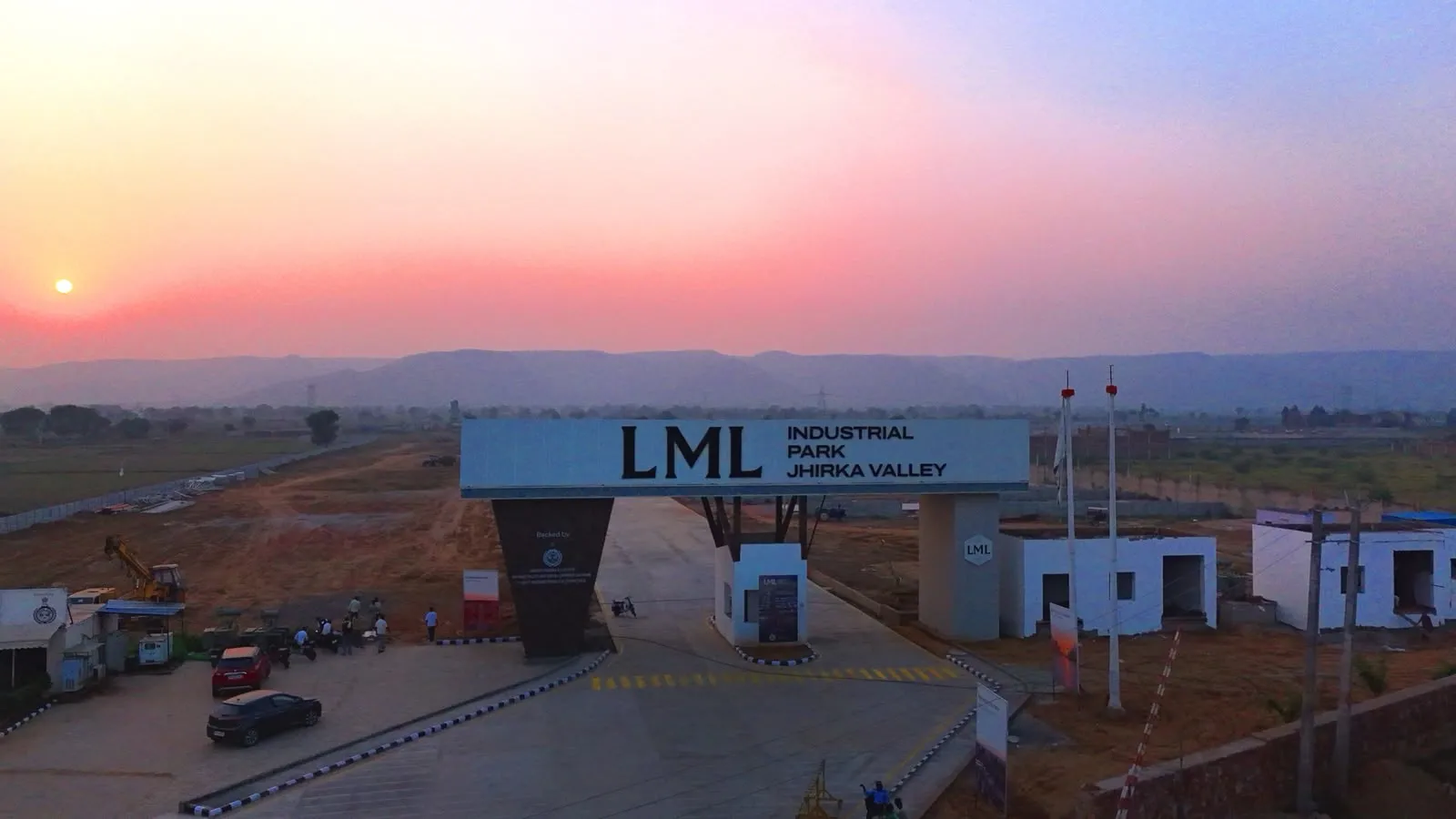
LML Realty Sells Out Jhirka Valley Industrial Park in Haryana
LML Realty, the real estate arm of LML Group, recently announced the complete sell-out of its Jhirka Valley Industrial Park in Haryana, with over 1.17 million sq ft of industrial space acquired by more than 50 companies. With utilities and internal infrastructure in place, the company has commenced plot handovers, enabling buyers to begin construction and establish their operations.The industrial park has attracted companies across diverse sectors, including chemicals, metals and alloys, textiles, electrical equipment, energy, logistics, construction, polymers and engineering. Key buyers inclu..
WSB Real Estate Partners Exits Six Housing Investments
WSB Real Estate Partners recently announced the successful exit of six residential investments across Bengaluru, Mumbai Metropolitan Region (MMR) and National Capital Region (NCR), delivering an average internal rate of return (IRR) of 19–21 per cent and an overall investment return of 1.4 times.The real estate-focused investment firm invested approximately Rs 7 billion across six mid-affordable housing projects over the past four years. All six investments were fully repaid between April and November 2026, several months ahead of their original investment tenures.WSB collaborated with sever..
Aluminium Industry Seeks Policy Support for Rs 4 Trillion Investment
The Aluminium Association of India (AAI) has recently urged the government to introduce supportive policy measures to safeguard the sector’s proposed Rs 4 trillion investment pipeline. The association highlighted the need for a predictable policy framework to strengthen domestic manufacturing, expand production capacity and reduce import dependence.AAI submitted its recommendations for the Union Budget 2027-28 to the Ministries of Finance, Commerce and Industry, and Mines, along with the Department for Promotion of Industry and Internal Trade (DPIIT).India’s aluminium demand is projected t..
Related Articles
Latest Updates
Recommended for you
Subscribe to Our Newsletter
Get daily newsletters around different themes from Construction world.
subscribe to the newsletter
Don't miss out on valuable insights and opportunities
to connect with like minded professionals