Samvardhana Motherson Opens Automotive Lighting Unit in Gujarat
Lighting

Samvardhana Motherson Opens Automotive Lighting Unit in Gujarat

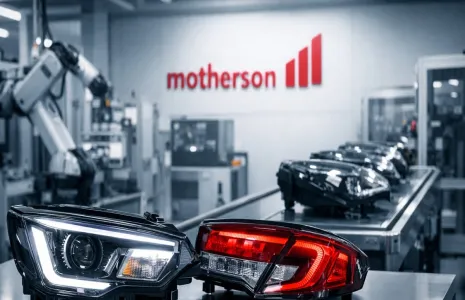
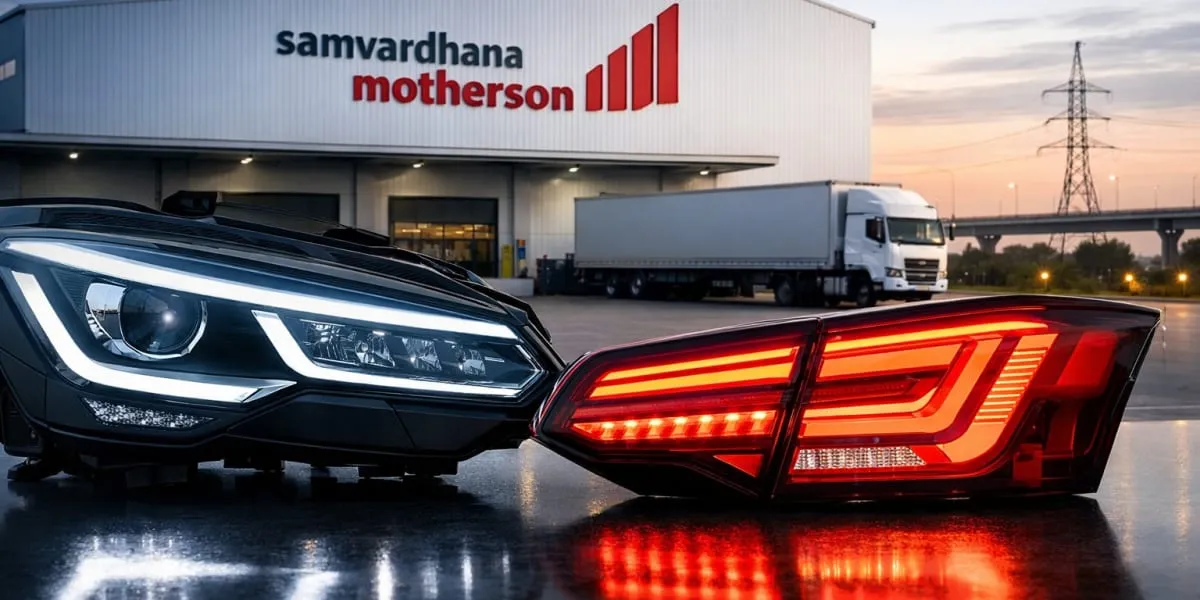
Samvardhana Motherson has established an automotive lighting facility in Gujarat to bolster the company's ability to supply lighting systems to vehicle manufacturers in India and overseas. The move forms part of a wider strategy to expand manufacturing presence and enhance component localisation for passenger and commercial vehicles. The location provides proximity to major automotive clusters and transport links, which the company indicated would aid logistics and reduce lead times.

The facility is intended to support production of lighting modules and related components that feed into the group's existing electrical and electronics operations, enabling closer integration with its global supply chain. Company executives framed the investment as aimed at improving delivery timelines and supporting customer requirements without disclosing detailed capacity figures. The plant will be integrated with existing testing and quality systems to align with customer specifications and to support incremental design improvements.

The company reported that consolidated net profit rose by 16.5 per cent to Rs 10,237.0 million (mn) on a 14.5 per cent increase in net sales to Rs 311,852.9 mn in the third quarter of fiscal year 2026 compared with the third quarter of fiscal year 2025. Market observers noted that the scrip fell by zero point three one per cent to Rs 130.40 on the BSE following the announcement. The financial results were presented alongside the update on the new facility.

The item was published by Capital Market Live News and the article carried a disclaimer that no Business Standard journalist was involved in the creation of the content. Analysts said the expansion into lighting underscores the group's broader drive to capture higher value content per vehicle and to support original equipment manufacturers amid ongoing demand recovery. Observers added that increased localisation of components has been a persistent theme among suppliers seeking to de risk supply chains and to improve cost competitiveness. The establishment of the Gujarat plant is expected to strengthen the firm's position in a competitive component market.

Samvardhana Motherson has established an automotive lighting facility in Gujarat to bolster the company's ability to supply lighting systems to vehicle manufacturers in India and overseas. The move forms part of a wider strategy to expand manufacturing presence and enhance component localisation for passenger and commercial vehicles. The location provides proximity to major automotive clusters and transport links, which the company indicated would aid logistics and reduce lead times. The facility is intended to support production of lighting modules and related components that feed into the group's existing electrical and electronics operations, enabling closer integration with its global supply chain. Company executives framed the investment as aimed at improving delivery timelines and supporting customer requirements without disclosing detailed capacity figures. The plant will be integrated with existing testing and quality systems to align with customer specifications and to support incremental design improvements. The company reported that consolidated net profit rose by 16.5 per cent to Rs 10,237.0 million (mn) on a 14.5 per cent increase in net sales to Rs 311,852.9 mn in the third quarter of fiscal year 2026 compared with the third quarter of fiscal year 2025. Market observers noted that the scrip fell by zero point three one per cent to Rs 130.40 on the BSE following the announcement. The financial results were presented alongside the update on the new facility. The item was published by Capital Market Live News and the article carried a disclaimer that no Business Standard journalist was involved in the creation of the content. Analysts said the expansion into lighting underscores the group's broader drive to capture higher value content per vehicle and to support original equipment manufacturers amid ongoing demand recovery. Observers added that increased localisation of components has been a persistent theme among suppliers seeking to de risk supply chains and to improve cost competitiveness. The establishment of the Gujarat plant is expected to strengthen the firm's position in a competitive component market.

Next Story
Infrastructure Energy

Iran Conflict Risks Slowing India’s Auto Production

India’s automobile industry is facing the risk of production disruptions as the Iran conflict tightens gas supplies, affecting manufacturers and component makers across key industrial regions. Several suppliers serving Maruti Suzuki, Tata Motors and Mahindra have reported gas shortages, raising concerns over forging, casting and paint-shop operations that depend on steady fuel availability. The pressure comes as vehicle demand remains strong, with passenger vehicle sales expected to exceed 4.5 million units in the financial year ending 31 March. With limited buffer inventory, companies are ..

Next Story
Infrastructure Urban

Honda to Invest Rs 15 Billion in Tapukara Plant Expansion

Honda Motorcycle & Scooter India (HMSI) has announced an investment of around Rs 15 billion to set up a third production line at its Tapukara manufacturing plant in Rajasthan. The new line is expected to commence operations in 2028 and will add an annual production capacity of 670,000 units, taking the factory’s total capacity to 2.01 million units per year. The expansion is also expected to create more than 2,000 jobs in the region. The company said the new line will be highly flexible and capable of producing commuter segment scooters and motorcycles, helping it respond more effective..

Next Story
Infrastructure Transport

BMC Plans LAPs Around Metro 3 Stations

The Brihanmumbai Municipal Corporation (BMC) has proposed preparing Local Area Plans (LAPs) for areas around Mumbai Metro Line 3 stations to enhance land use, traffic flow, and infrastructure planning. The initiative is part of efforts to align urban development with the city’s expanding metro network. In the first phase, four stations will be covered at an estimated cost of Rs 1.37 crore, with further phases planned to include all 27 stations along the corridor. The overall project cost is expected to rise as coverage expands. The LAPs will be developed through detailed assessments, inclu..

Advertisement

Subscribe to Our Newsletter

Get daily newsletters around different themes from Construction world.

STAY CONNECTED

Advertisement

Advertisement

Advertisement