270 Billion Bengaluru Business Corridor Cleared in Karnataka
ECONOMY & POLICY

270 Billion Bengaluru Business Corridor Cleared in Karnataka

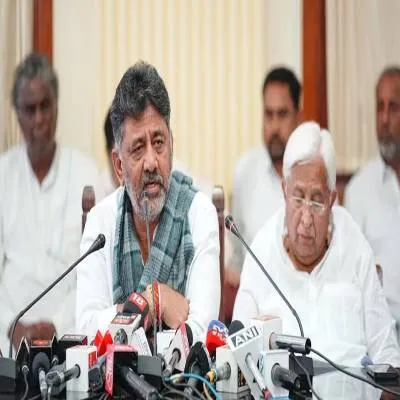
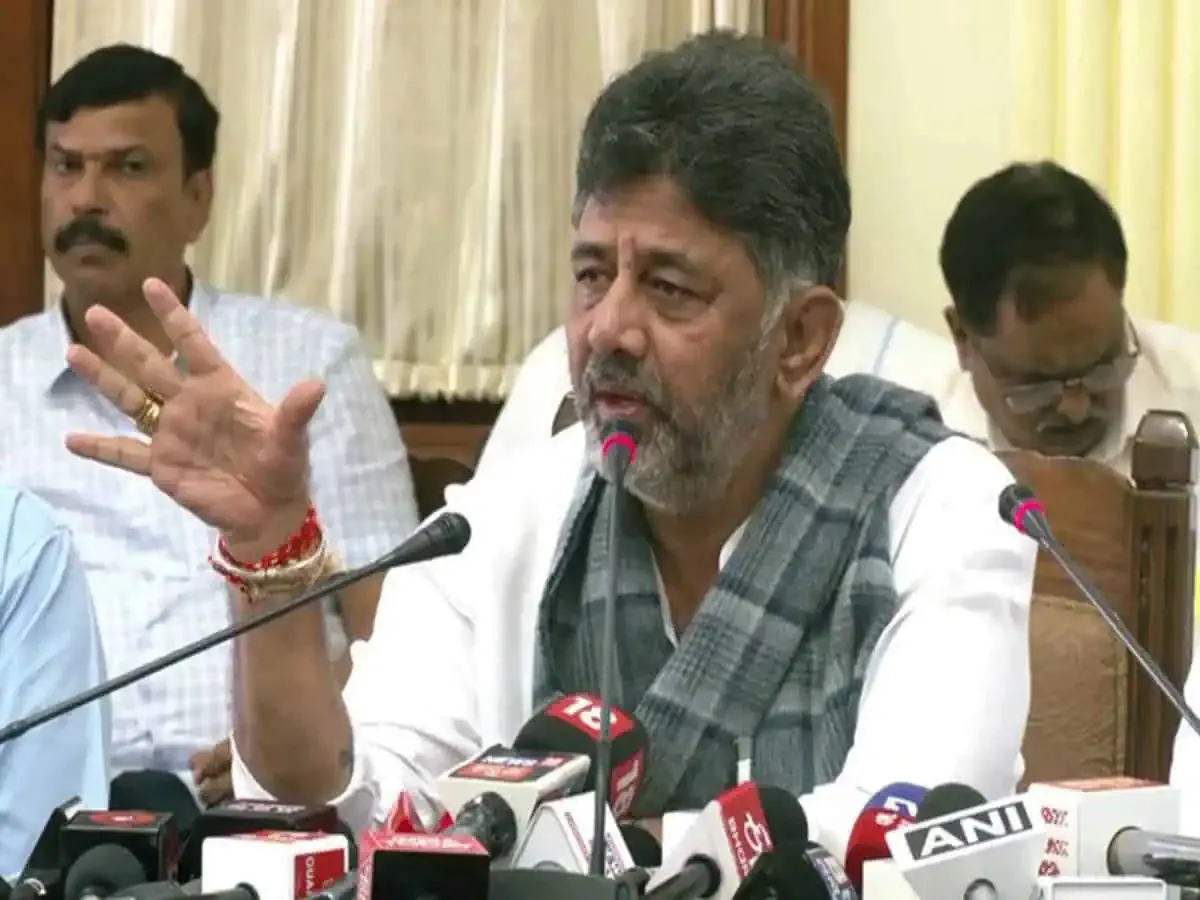
The Karnataka Cabinet has approved the ambitious 117-kilometre Bengaluru Business Corridor, a major infrastructure project aimed at decongesting city traffic and improving connectivity across the Bengaluru metropolitan region. The corridor, which will connect Tumakuru Road to Mysuru Road via Yelahanka and Electronic City, was announced by Deputy Chief Minister D.K. Shivakumar on Thursday following the Cabinet meeting.

Addressing the media, Shivakumar said that the long-delayed Peripheral Ring Road (PRR) project has been rebranded and approved as the Bengaluru Business Corridor. “The state government has taken a big step. The erstwhile PRR project has been renamed and cleared. The government is rewriting history by launching such a significant road project. Landowners have been offered four compensation options,” he said.

Of the total 117 kilometres, 73 kilometres will pass through North Bengaluru, while the remaining stretch will cover the southern parts of the city. The project is designed as a much-needed alternative to the NICE Road and is expected to reduce congestion within the city by nearly 40 per cent.

Funding And Land Acquisition The state government has decided to raise Rs 270 billion for the project through a loan from the Housing and Urban Development Corporation Limited (HUDCO). “The previous government had notified the project but failed to act on it. Bengaluru urgently needs an alternative traffic corridor, and this project will address that,” Shivakumar said.

The initial plan proposed a road width of 100 metres, but it has now been revised to 65 metres — the same as the Bengaluru–Mysuru Expressway. A 5-metre provision has been made for a future metro line, while 35 metres of land will be returned to farmers as part of their compensation.

Landowners will be able to choose from four compensation options, including payment at double the market value or allocation of 40 per cent of developed land in BDA layouts. “Only those with less than 20 gunta of land will receive cash compensation,” Shivakumar explained.

The government has ruled out any denotification of land. In cases where landowners refuse to part with their property, compensation will be deposited in court, and construction will continue.

Timeline And Cost The project is expected to be completed within two years. Shivakumar stated that the overall project cost, originally estimated at Rs 270 billion, could fall below Rs 100 billion if more farmers opt for land-based compensation instead of cash, significantly reducing the state’s financial burden.

The corridor will serve as a key bypass, diverting vehicles away from city roads and improving travel time for commuters and freight operators alike. Toll policies are yet to be finalised, but the Deputy Chief Minister confirmed that tolls will be applicable once operations begin.

“This project was gathering dust for two decades due to a lack of political will,” Shivakumar said. “We are determined to deliver it efficiently and transparently. The Bengaluru Business Corridor will transform mobility and promote balanced urban growth.”

Responding to allegations of a Rs 150 billion scam in the B Khata to A Khata land conversion process made by Union Minister H.D. Kumaraswamy, Shivakumar said, “Good for him. Let him deploy his investigation team to check.”

He also commented on the state’s decision to redo the caste census, saying, “The earlier census was conducted ten years ago. We are updating it to ensure fairness and representation for all communities.”

The Karnataka Cabinet has approved the ambitious 117-kilometre Bengaluru Business Corridor, a major infrastructure project aimed at decongesting city traffic and improving connectivity across the Bengaluru metropolitan region. The corridor, which will connect Tumakuru Road to Mysuru Road via Yelahanka and Electronic City, was announced by Deputy Chief Minister D.K. Shivakumar on Thursday following the Cabinet meeting. Addressing the media, Shivakumar said that the long-delayed Peripheral Ring Road (PRR) project has been rebranded and approved as the Bengaluru Business Corridor. “The state government has taken a big step. The erstwhile PRR project has been renamed and cleared. The government is rewriting history by launching such a significant road project. Landowners have been offered four compensation options,” he said. Of the total 117 kilometres, 73 kilometres will pass through North Bengaluru, while the remaining stretch will cover the southern parts of the city. The project is designed as a much-needed alternative to the NICE Road and is expected to reduce congestion within the city by nearly 40 per cent. Funding And Land Acquisition The state government has decided to raise Rs 270 billion for the project through a loan from the Housing and Urban Development Corporation Limited (HUDCO). “The previous government had notified the project but failed to act on it. Bengaluru urgently needs an alternative traffic corridor, and this project will address that,” Shivakumar said. The initial plan proposed a road width of 100 metres, but it has now been revised to 65 metres — the same as the Bengaluru–Mysuru Expressway. A 5-metre provision has been made for a future metro line, while 35 metres of land will be returned to farmers as part of their compensation. Landowners will be able to choose from four compensation options, including payment at double the market value or allocation of 40 per cent of developed land in BDA layouts. “Only those with less than 20 gunta of land will receive cash compensation,” Shivakumar explained. The government has ruled out any denotification of land. In cases where landowners refuse to part with their property, compensation will be deposited in court, and construction will continue. Timeline And Cost The project is expected to be completed within two years. Shivakumar stated that the overall project cost, originally estimated at Rs 270 billion, could fall below Rs 100 billion if more farmers opt for land-based compensation instead of cash, significantly reducing the state’s financial burden. The corridor will serve as a key bypass, diverting vehicles away from city roads and improving travel time for commuters and freight operators alike. Toll policies are yet to be finalised, but the Deputy Chief Minister confirmed that tolls will be applicable once operations begin. “This project was gathering dust for two decades due to a lack of political will,” Shivakumar said. “We are determined to deliver it efficiently and transparently. The Bengaluru Business Corridor will transform mobility and promote balanced urban growth.” Responding to allegations of a Rs 150 billion scam in the B Khata to A Khata land conversion process made by Union Minister H.D. Kumaraswamy, Shivakumar said, “Good for him. Let him deploy his investigation team to check.” He also commented on the state’s decision to redo the caste census, saying, “The earlier census was conducted ten years ago. We are updating it to ensure fairness and representation for all communities.”

Next Story
Infrastructure Transport

HAL Airport Reopening Needs BIAL Consent: Centre

The Union government has said that reopening the existing HAL Airport in Bengaluru for civilian operations would require the consent of Bengaluru International Airport Limited (BIAL), in line with the concession agreement governing Kempegowda International Airport (KIA). Informing the Lok Sabha, Minister of State for Civil Aviation Murlidhar Mohol said the concession agreement between the Government of India and Bengaluru International Airport Limited stipulates that no new or existing airport—except for the development of Mysuru and Hassan as domestic airports—can be developed, improved,..

Next Story
Infrastructure Transport

Guwahati Airport Plans Second Terminal As Traffic Grows

Even as Prime Minister Narendra Modi is set to inaugurate the new terminal at Lokapriya Gopinath Bordoloi International Airport on December 20, the Assam government has begun planning a second terminal at Guwahati’s main aviation hub to cater to rising passenger traffic and the airport’s expanding regional role. Chief Minister Himanta Biswa Sarma said the state is considering a completely new additional terminal, noting that planning work is already under way. Following the inauguration, all operations will initially be shifted to the new terminal, while the existing terminal will be phas..

Next Story
Infrastructure Transport

Ramco To Deploy Aviation Software At Powerhouse Engines

Enterprise aviation software provider Ramco Systems Corporation, a subsidiary of Ramco Systems Limited, has announced the implementation of its next-generation aviation software at Powerhouse Engines, a South Florida-based aviation services company specialising in jet engine leasing, trading and maintenance, repair and overhaul (MRO) for CFM56 family engines. The CFM56 engines, jointly developed by GE Aerospace and Safran Aircraft Engines, power narrow-body aircraft such as the Airbus A320ceo and Boeing 737 Classic and NG. Ramco’s aviation software will deliver end-to-end lifecycle coverage..

Advertisement

Subscribe to Our Newsletter

Get daily newsletters around different themes from Construction world.

STAY CONNECTED

Advertisement

Advertisement

Advertisement

Advertisement

Open In App