AERB Clears 700 MW RAPP-8 Reactor for Criticality in Rajasthan
ECONOMY & POLICY

AERB Clears 700 MW RAPP-8 Reactor for Criticality in Rajasthan

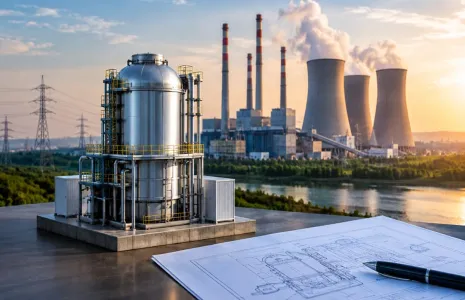
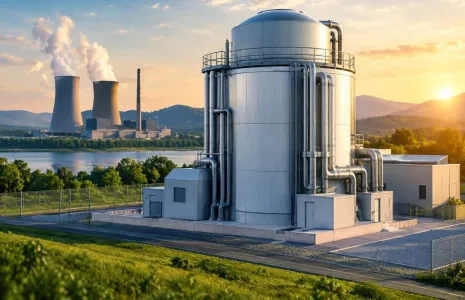
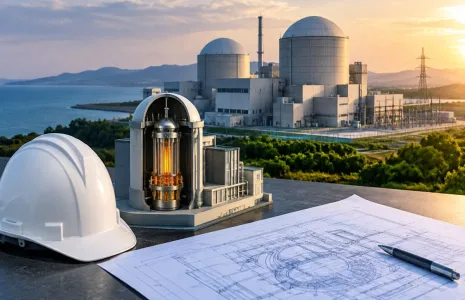
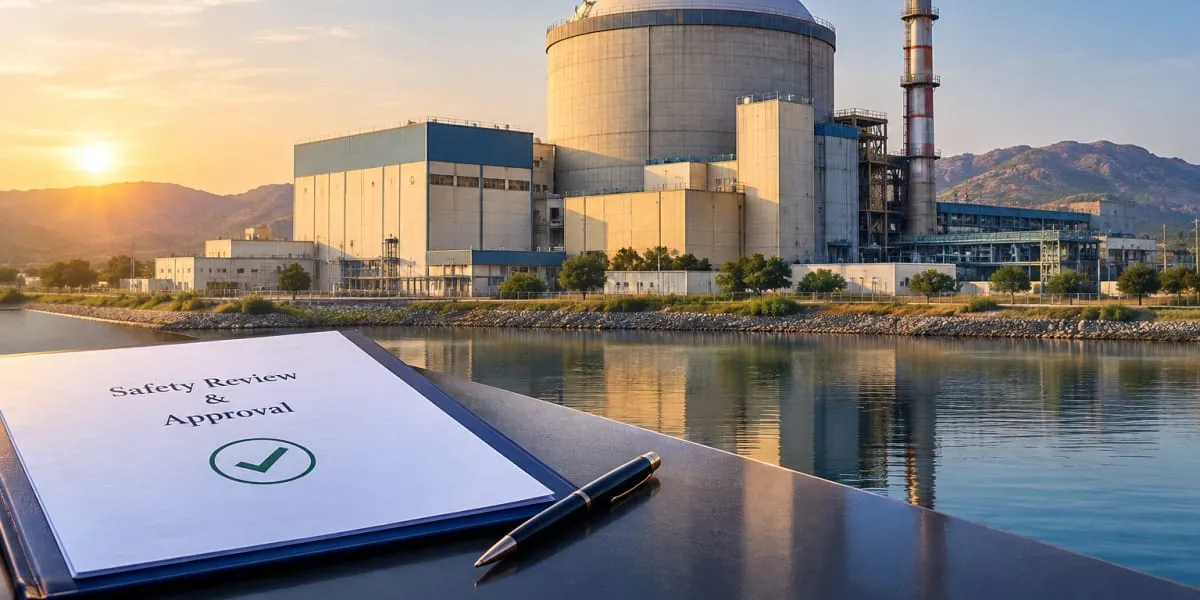
India’s nuclear regulator has approved the first approach to criticality for RAPP-8 at the Rawatbhata Nuclear Power Plant in Rajasthan, clearing a key stage in the commissioning of the indigenous reactor. The Atomic Energy Regulatory Board (AERB) granted the approval on 19 November 2026 after reviewing the reactor design, commissioning test results and other safety-related areas.

RAPP-8 is a 700 MW Pressurised Heavy Water Reactor located at the facility in Chittorgarh. The first approach to criticality is the stage at which a reactor begins a controlled, self-sustaining nuclear chain reaction for the first time, initially at low power.

Fuel loading at Unit 8 began in September after the regulator issued an earlier permission. Following criticality, the unit will undergo low-power physics testing, after which its output will be increased progressively towards full commercial generation.

RAPP-8 is the fourth reactor in a planned series of 16 indigenous 700 MW Pressurised Heavy Water Reactors being established across India. The first two reactors in the series, located at the Kakrapar Atomic Power Station in Gujarat, began commercial operations in FY24, while RAPP-7 at Rawatbhata entered commercial operation in April 2025.

The Nuclear Power Corporation of India operates the facility and is targeting grid synchronisation and commercial operation for RAPP-8 by next year. The project is part of India’s wider nuclear expansion programme. The country currently has 24 operating nuclear reactors with installed capacity of 8.78 GW, while 18 reactors with combined capacity of 13.6 GW are under implementation or in pre-project activities.

India’s nuclear regulator has approved the first approach to criticality for RAPP-8 at the Rawatbhata Nuclear Power Plant in Rajasthan, clearing a key stage in the commissioning of the indigenous reactor. The Atomic Energy Regulatory Board (AERB) granted the approval on 19 November 2026 after reviewing the reactor design, commissioning test results and other safety-related areas. RAPP-8 is a 700 MW Pressurised Heavy Water Reactor located at the facility in Chittorgarh. The first approach to criticality is the stage at which a reactor begins a controlled, self-sustaining nuclear chain reaction for the first time, initially at low power. Fuel loading at Unit 8 began in September after the regulator issued an earlier permission. Following criticality, the unit will undergo low-power physics testing, after which its output will be increased progressively towards full commercial generation. RAPP-8 is the fourth reactor in a planned series of 16 indigenous 700 MW Pressurised Heavy Water Reactors being established across India. The first two reactors in the series, located at the Kakrapar Atomic Power Station in Gujarat, began commercial operations in FY24, while RAPP-7 at Rawatbhata entered commercial operation in April 2025. The Nuclear Power Corporation of India operates the facility and is targeting grid synchronisation and commercial operation for RAPP-8 by next year. The project is part of India’s wider nuclear expansion programme. The country currently has 24 operating nuclear reactors with installed capacity of 8.78 GW, while 18 reactors with combined capacity of 13.6 GW are under implementation or in pre-project activities.

Related Stories

Gold Stories

Next Story
Real Estate

WSB Real Estate Partners Exits Six Housing Investments

WSB Real Estate Partners recently announced the successful exit of six residential investments across Bengaluru, Mumbai Metropolitan Region (MMR) and National Capital Region (NCR), delivering an average internal rate of return (IRR) of 19–21 per cent and an overall investment return of 1.4 times.The real estate-focused investment firm invested approximately Rs 7 billion across six mid-affordable housing projects over the past four years. All six investments were fully repaid between April and November 2026, several months ahead of their original investment tenures.WSB collaborated with sever..

Next Story
Infrastructure Transport

Aluminium Industry Seeks Policy Support for Rs 4 Trillion Investment

The Aluminium Association of India (AAI) has recently urged the government to introduce supportive policy measures to safeguard the sector’s proposed Rs 4 trillion investment pipeline. The association highlighted the need for a predictable policy framework to strengthen domestic manufacturing, expand production capacity and reduce import dependence.AAI submitted its recommendations for the Union Budget 2027-28 to the Ministries of Finance, Commerce and Industry, and Mines, along with the Department for Promotion of Industry and Internal Trade (DPIIT).India’s aluminium demand is projected t..
Next Story
Technology

ABB Unveils Intelligent Motor to Accelerate Industrial AI Adoption

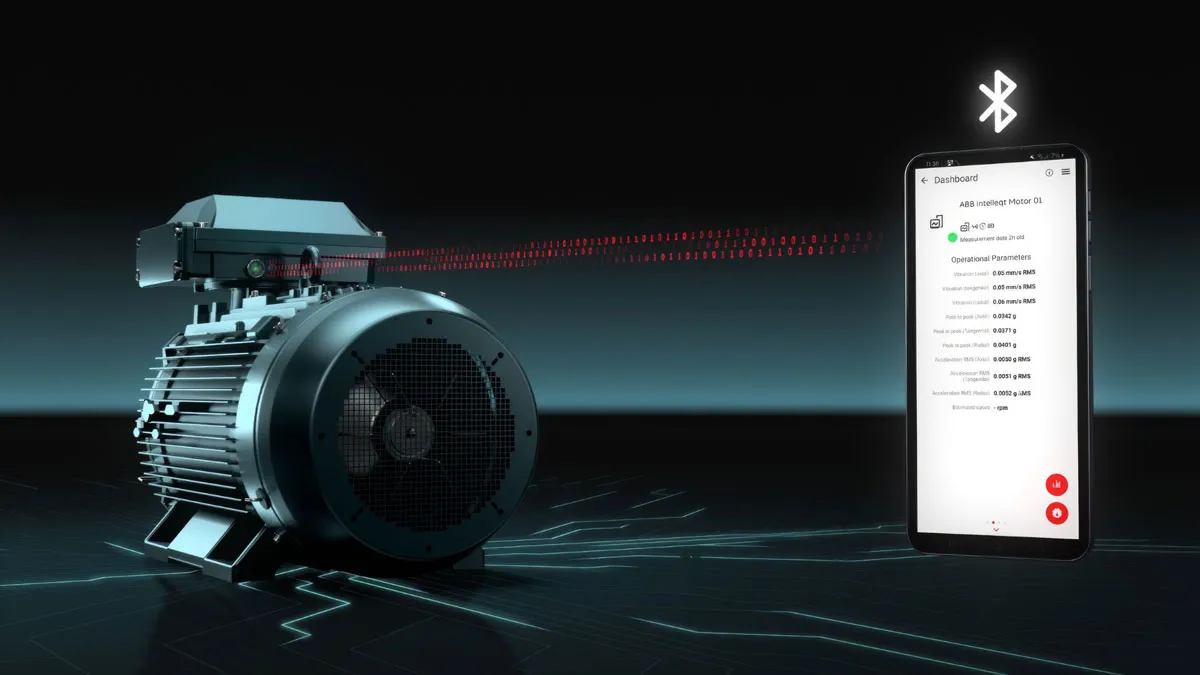
ABB recently launched Intelleqt, which it describes as the world’s first low-voltage motor with factory-integrated intelligence, at the SPS trade fair in Germany. Designed to deliver real-time operational insights from its first rotation, the motor enables industrial operators to integrate equipment-level data into existing digital platforms while retaining full ownership of their data.The launch addresses growing challenges in scaling artificial intelligence (AI) across industrial operations, particularly data quality and availability. According to Deloitte, while 84 per cent of manufacture..

Advertisement

Subscribe to Our Newsletter

Get daily newsletters around different themes from Construction world.

STAY CONNECTED

Advertisement

SPECIAL OFFER
QR Code