


Assocham Flags Risks of EU Auto Duty Cuts for MSMEs
ECONOMY & POLICY

Assocham Flags Risks of EU Auto Duty Cuts for MSMEs

Assocham President Nirmal Kumar Minda has cautioned against any blanket reduction in import duties on auto components under the proposed India–European Union trade agreement, warning that poorly calibrated concessions could hurt domestic manufacturers, particularly micro, small and medium enterprises. In an interview with PTI, Minda said that while the pact could offer Indian companies access to advanced technology, larger markets and more stable supply chains, duty concessions should be considered selectively, especially in segments where India already enjoys a cost advantage.

He said an across-the-board cut in duties could place Indian suppliers at a disadvantage, as European auto components often benefit from greater scale, higher automation and government subsidies. India and the 27-nation EU bloc have been negotiating a free trade agreement since 2007, with the latest high-level meeting concluding on December 9. The EU is seeking import duty concessions in India’s automobile and auto components sectors as part of the negotiations.

Minda, who is also Chairman and Managing Director of auto components maker Uno Minda, said the issue goes beyond tariffs and must account for overall competitiveness. He added that any concessions should be linked to clear reciprocity, phased implementation timelines and safeguards to ensure India’s manufacturing base continues to expand.

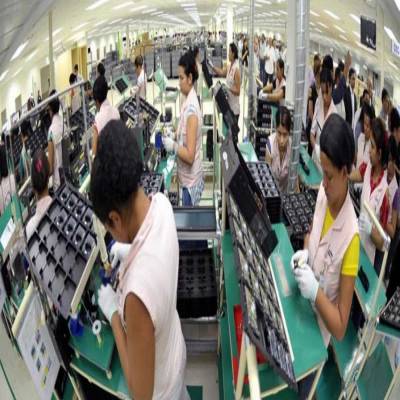
Despite the potential opportunities from trade agreements, Indian MSMEs, particularly in auto components and other manufacturing segments, are facing increasing pressure from low-cost imports. According to a report published by The Indian Express in September 2024, several MSME-intensive sectors are seeing domestic production displaced by foreign goods, especially from China. The report noted that China accounts for 95.8 per cent of India’s umbrella imports valued at $31 million and 91.9 per cent of artificial flowers and human hair articles worth $14 million.

Chinese imports also dominate segments such as glassware with a 59.7 per cent share, handbags at 54.3 per cent and toys at 52.5 per cent. Even traditionally strong Indian sectors, including ceramics with a 51.4 per cent import share and musical instruments at 51.2 per cent, are witnessing rising dependence on Chinese products, according to a separate analysis by the Global Trade Research Initiative. These trends, Minda said, underline the need for a cautious and well-structured approach to duty concessions in future trade agreements.

Assocham President Nirmal Kumar Minda has cautioned against any blanket reduction in import duties on auto components under the proposed India–European Union trade agreement, warning that poorly calibrated concessions could hurt domestic manufacturers, particularly micro, small and medium enterprises. In an interview with PTI, Minda said that while the pact could offer Indian companies access to advanced technology, larger markets and more stable supply chains, duty concessions should be considered selectively, especially in segments where India already enjoys a cost advantage. He said an across-the-board cut in duties could place Indian suppliers at a disadvantage, as European auto components often benefit from greater scale, higher automation and government subsidies. India and the 27-nation EU bloc have been negotiating a free trade agreement since 2007, with the latest high-level meeting concluding on December 9. The EU is seeking import duty concessions in India’s automobile and auto components sectors as part of the negotiations. Minda, who is also Chairman and Managing Director of auto components maker Uno Minda, said the issue goes beyond tariffs and must account for overall competitiveness. He added that any concessions should be linked to clear reciprocity, phased implementation timelines and safeguards to ensure India’s manufacturing base continues to expand. Despite the potential opportunities from trade agreements, Indian MSMEs, particularly in auto components and other manufacturing segments, are facing increasing pressure from low-cost imports. According to a report published by The Indian Express in September 2024, several MSME-intensive sectors are seeing domestic production displaced by foreign goods, especially from China. The report noted that China accounts for 95.8 per cent of India’s umbrella imports valued at $31 million and 91.9 per cent of artificial flowers and human hair articles worth $14 million. Chinese imports also dominate segments such as glassware with a 59.7 per cent share, handbags at 54.3 per cent and toys at 52.5 per cent. Even traditionally strong Indian sectors, including ceramics with a 51.4 per cent import share and musical instruments at 51.2 per cent, are witnessing rising dependence on Chinese products, according to a separate analysis by the Global Trade Research Initiative. These trends, Minda said, underline the need for a cautious and well-structured approach to duty concessions in future trade agreements.

Next Story
Infrastructure Urban

Powerplay Rolls Out Procurement-Linked Credit for Contractors

Powerplay has announced the launch of Powerplay Credit, a project-linked working capital solution aimed at easing cash flow pressures faced by contractors during active construction execution. The solution has gone live across key markets in South India, with a wider national rollout planned for 2026.The launch comes amid rising activity in India’s construction sector across infrastructure, housing, industrial corridors, renewable energy and urban redevelopment. Contractors executing large corporate and government projects often face extended payment cycles, stage-based billing and delayed r..

Next Story
Infrastructure Urban

Jyoti Structures Commissions Galvanisation at Second Nashik Unit

Jyoti Structures has commissioned galvanisation operations at its second tower manufacturing unit in Nashik, strengthening its in-house capabilities across critical stages of power transmission infrastructure production. The listed Engineering, Procurement and Construction (EPC) company operates globally and has delivered projects for customers across more than 50 countries.The second Nashik unit, with an annual manufacturing capacity of 36,000 metric tonnes, has become operational following the completion of installation, testing and readiness of the new galvanising facilities. With this deve..

Next Story
Infrastructure Energy

Rosatom Connects First Kursk NPP-2 Unit to National Grid

Rosatom has launched the first power unit of the Kursk Nuclear Power Plant-2 (Kursk NPP-2) into Russia’s Unified Energy System, marking a key milestone in the country’s nuclear energy programme. The initial grid connection took place at the end of the year, bringing a new source of low-carbon electricity online for the Kursk region and the broader Central Energy System.The newly commissioned unit is the first implementation of the VVER-TOI reactor design, which incorporates advanced safety and performance features. With an installed capacity of 1,250 MW, it is the most powerful nuclear pow..

Advertisement

Subscribe to Our Newsletter

Get daily newsletters around different themes from Construction world.

STAY CONNECTED

Advertisement

Advertisement

Advertisement

Advertisement

Open In App