CRS Clears Second Railway Line Between Manabar And Jarati Stations
RAILWAYS & METRO RAIL

CRS Clears Second Railway Line Between Manabar And Jarati Stations

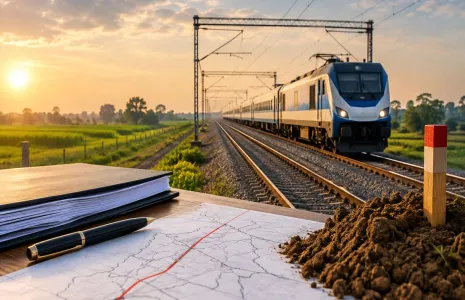
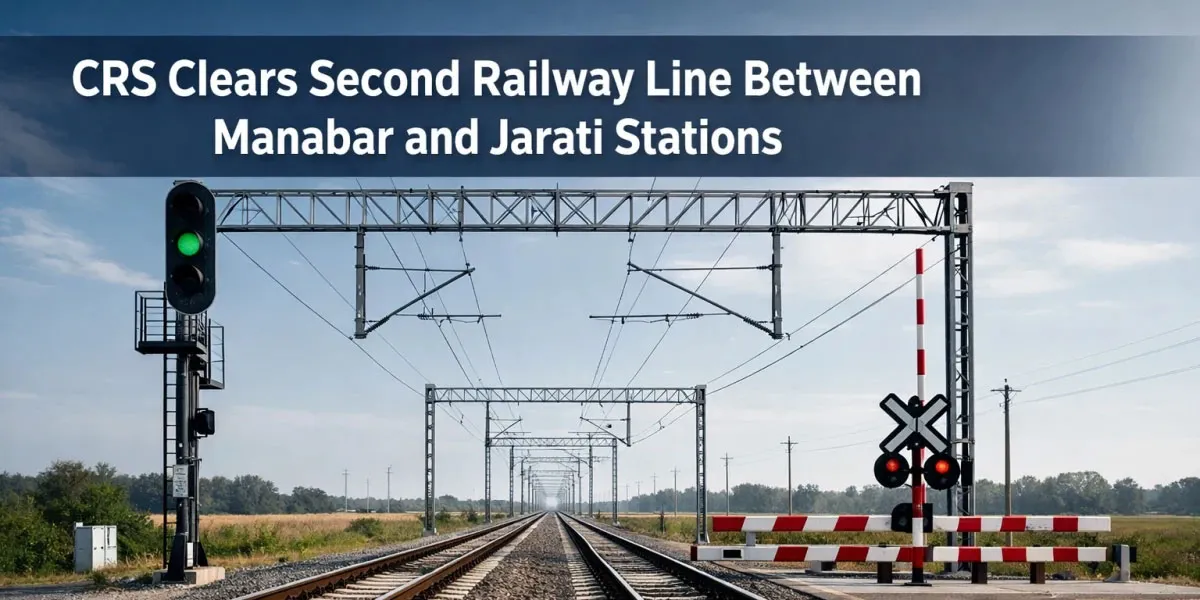
The Commissioner of Railway Safety (CRS) has cleared the second railway line between Manabar and Jarati stations following a statutory inspection, enabling the line to be brought into regular operation. The clearance comes after technical assessments of track integrity, signalling systems and level crossing arrangements. The CRS concluded that required remedies had been implemented and vested responsibility with the zonal railway for ongoing maintenance. The decision is expected to enhance operational resilience along the route.

The zonal railway undertook a series of works to meet regulatory prerequisites, including track renewal, ballast consolidation and realignment where necessary. Upgrades to signalling and interlocking were completed to ensure safe passage of consecutive services on parallel tracks. Level crossing protections and signage were reviewed and standardised to comply with safety norms. The implementing agency confirmed completion of remaining civil and electrical works prior to the inspection.

Operational benefits envisaged include smoother scheduling, reduced delays and increased freight handling capacity without altering existing timetable slots immediately. Station operations at Manabar and Jarati will be adapted to manage bi directional flows and platform utilisation, subject to traffic rationalisation by the railway administration. Train regulation and dispatch protocols will be refined to leverage the second line while maintaining passenger safety. The CRS will monitor post commissioning performance through routine audits.

Local stakeholders welcomed the move as a step towards strengthening rail connectivity in the region and supporting economic activity linked to hinterland markets. Authorities indicated that further network enhancements are on the agenda to improve transit efficiency and safety, driven by periodic evaluations. The clearance underscores the institutional focus on compliance and systematic project handover before commercial use. Continued monitoring and maintenance are to remain priorities for the railway operator.

The Commissioner of Railway Safety (CRS) has cleared the second railway line between Manabar and Jarati stations following a statutory inspection, enabling the line to be brought into regular operation. The clearance comes after technical assessments of track integrity, signalling systems and level crossing arrangements. The CRS concluded that required remedies had been implemented and vested responsibility with the zonal railway for ongoing maintenance. The decision is expected to enhance operational resilience along the route. The zonal railway undertook a series of works to meet regulatory prerequisites, including track renewal, ballast consolidation and realignment where necessary. Upgrades to signalling and interlocking were completed to ensure safe passage of consecutive services on parallel tracks. Level crossing protections and signage were reviewed and standardised to comply with safety norms. The implementing agency confirmed completion of remaining civil and electrical works prior to the inspection. Operational benefits envisaged include smoother scheduling, reduced delays and increased freight handling capacity without altering existing timetable slots immediately. Station operations at Manabar and Jarati will be adapted to manage bi directional flows and platform utilisation, subject to traffic rationalisation by the railway administration. Train regulation and dispatch protocols will be refined to leverage the second line while maintaining passenger safety. The CRS will monitor post commissioning performance through routine audits. Local stakeholders welcomed the move as a step towards strengthening rail connectivity in the region and supporting economic activity linked to hinterland markets. Authorities indicated that further network enhancements are on the agenda to improve transit efficiency and safety, driven by periodic evaluations. The clearance underscores the institutional focus on compliance and systematic project handover before commercial use. Continued monitoring and maintenance are to remain priorities for the railway operator.

Next Story
Real Estate

Loomcraft Enters South India with Kerala Store Launch

Loomcraft has launched its exclusive store in Kerala, marking its entry into South India and a key step in its nationwide expansion strategy. The move targets a region driven by tourism and premium real estate demand, where outdoor spaces play a central role in hospitality and residential experiences.Kerala’s growing base of luxury resorts, boutique hotels, villas and gated communities has created strong demand for specialised outdoor furniture. However, the region has remained underserved, with buyers relying on imports or generic products not suited to humid, coastal and monsoon-heavy cond..

Next Story
Building Material

Mild Steel Prices Seen Rising to Rs 61,000 Per Tonne

Mild steel prices in India, currently around Rs 58,000 per tonne, are expected to rise to nearly Rs 61,000 per tonne in April, indicating an increase of about Rs 3,000 per tonne. The anticipated rise reflects structural pressures driven by geopolitical tensions, energy constraints and limited raw material availability.Ongoing global conflict has disrupted energy markets, leading to LNG shortages that are affecting domestic steel production. Small and mid-sized manufacturers, particularly those dependent on gas-based processes, are witnessing production cuts due to constrained energy supply, re..

Next Story
Infrastructure Urban

Vedanta Expands Transgender Workforce to 75 Employees

Vedanta has strengthened its commitment to workplace inclusion by employing 75 transgender individuals across its businesses, including Vedanta Aluminium, Hindustan Zinc, Sesa Goa, FACOR and Cairn Oil & Gas. The initiative reflects sustained hiring efforts since 2022 to build equitable opportunities across operations, corporate and technical roles.Transgender employees are engaged in functions such as operations, finance, logistics, HR, CSR, healthcare and security, with provisions for internal mobility to support career progression. The company has implemented structured policies, includi..

Advertisement

Subscribe to Our Newsletter

Get daily newsletters around different themes from Construction world.

STAY CONNECTED

Advertisement

Advertisement

Advertisement