Bosch Rs 90,680 mn Deal to Reshape Sourcing for Tata Mahindra Bajaj
ECONOMY & POLICY

Bosch Rs 90,680 mn Deal to Reshape Sourcing for Tata Mahindra Bajaj

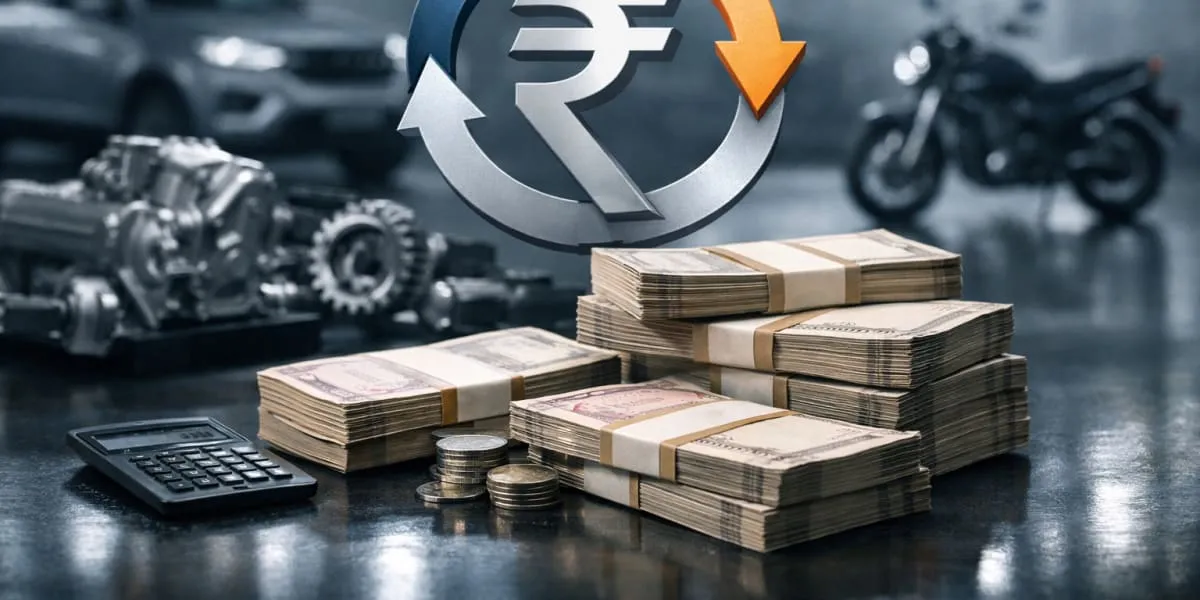
Bosch has entered into a Rs 9,068 crore agreement that will reshape sourcing arrangements for Tata Motors, Mahindra Group and Bajaj Auto. The transaction is valued at Rs 90,680 million (mn), equivalent to about Rs 90.68 billion (bn), and will alter procurement dynamics across automotive and mobility supply chains in India. Industry participants are expected to re-evaluate vendor engagements as Bosch aligns sourcing strategies with original equipment manufacturers. The transaction is likely to prompt detailed reviews of long-term supply agreements and logistical arrangements across sectors connected to vehicle manufacturing.

The deal is anticipated to centralise key sourcing functions and create economies of scale by consolidating supplier relationships and purchasing volumes. Bosch will likely standardise procurement protocols and leverage its bargaining position to secure favourable terms, thereby affecting component makers and tier suppliers. The move is projected to accelerate efficiency improvements and could prompt suppliers to adapt production and quality processes to meet revised demand patterns from major Indian original equipment manufacturers.

Regulatory clearances and contractual transitions will determine the pace of implementation, and teams from the companies involved are expected to coordinate integration plans. Suppliers may face renegotiated contracts and revised delivery schedules as procurement cycles are harmonised, while smaller vendors could explore partnerships or specialisation to remain competitive. The consolidation may also influence pricing benchmarks and inventory management practices across the sector.

Market analysts will monitor the development for its implications on margins and competitiveness among domestic automakers, and on the strategic positioning of Bosch in India. The agreement underscores a broader trend of supply chain optimisation within the industry and highlights the growing emphasis on scalable procurement models to support electrification and technology adoption in vehicle manufacturing. Stakeholders will track cost implications and potential shifts in supplier investment and capacity planning over the coming quarters.

Bosch has entered into a Rs 9,068 crore agreement that will reshape sourcing arrangements for Tata Motors, Mahindra Group and Bajaj Auto. The transaction is valued at Rs 90,680 million (mn), equivalent to about Rs 90.68 billion (bn), and will alter procurement dynamics across automotive and mobility supply chains in India. Industry participants are expected to re-evaluate vendor engagements as Bosch aligns sourcing strategies with original equipment manufacturers. The transaction is likely to prompt detailed reviews of long-term supply agreements and logistical arrangements across sectors connected to vehicle manufacturing. The deal is anticipated to centralise key sourcing functions and create economies of scale by consolidating supplier relationships and purchasing volumes. Bosch will likely standardise procurement protocols and leverage its bargaining position to secure favourable terms, thereby affecting component makers and tier suppliers. The move is projected to accelerate efficiency improvements and could prompt suppliers to adapt production and quality processes to meet revised demand patterns from major Indian original equipment manufacturers. Regulatory clearances and contractual transitions will determine the pace of implementation, and teams from the companies involved are expected to coordinate integration plans. Suppliers may face renegotiated contracts and revised delivery schedules as procurement cycles are harmonised, while smaller vendors could explore partnerships or specialisation to remain competitive. The consolidation may also influence pricing benchmarks and inventory management practices across the sector. Market analysts will monitor the development for its implications on margins and competitiveness among domestic automakers, and on the strategic positioning of Bosch in India. The agreement underscores a broader trend of supply chain optimisation within the industry and highlights the growing emphasis on scalable procurement models to support electrification and technology adoption in vehicle manufacturing. Stakeholders will track cost implications and potential shifts in supplier investment and capacity planning over the coming quarters.

Next Story
Infrastructure Transport

AFCONS & Navayuga set world records with Missing Link Expressway

Maharashtra’s most ambitious greenfield bypass — a 13.3-km alignment carrying twin record-setting tunnels and India’s tallest cable-stayed road bridge — was thrown open to traffic on Maharashtra Day, finally completing the Mumbai–Pune Expressway after a 23-year wait. CW reports…The 650-m cable-stayed bridge over Tiger Valley at sunset — the package executed by Afcons Infrastructure Ltd carries 182-m pylons, the tallest on any Indian road bridge.On 1 May 2026, Chief Minister Devendra Fadnavis, flanked by Deputy Chief Ministers Eknath Shinde and Sunetra Pawar (representing the late..

Next Story
Infrastructure Transport

Mumbai–Pune Missing Link boosts realty prospects

The recently opened ‘missing link’ on the Mumbai–Pune Expressway is set to significantly transform connectivity between the two cities by reducing travel time and bypassing the challenging ghat section. The new alignment, featuring tunnels and viaducts, is designed to improve safety, ease congestion and ensure a smoother, faster commute for both passenger and commercial traffic.With improved travel efficiency, the corridor is expected to strengthen intercity movement, encouraging more frequent travel for work, leisure and logistics. This enhanced accessibility is likely to benefit real e..

Next Story
Infrastructure Urban

How Hormuz is Hijacking Indian Highways

At the recently held RAHSTA Round Table on 29th April in Pune, and earlier during our webinars for Cement Expo by Indian Cement Review and by FIRST Construction Council on manufacturing construction equipment for the world, one thread lay common: the industry is being subjected to a cost-push chain reaction moving from crude oil → freight/insurance → steel, cement fuel, bitumen, polymers, packaging, logistics and finally project margins. Indeed, the West Asia crisis caused by the war and the Hormuz Strait blockade, which does not directly concern us, has turned around and hit us. If the wa..

Advertisement

Subscribe to Our Newsletter

Get daily newsletters around different themes from Construction world.

STAY CONNECTED

Advertisement

Advertisement

Advertisement