BPCL to Cut Russian Crude Purchases as Freight Costs Rise
ECONOMY & POLICY

BPCL to Cut Russian Crude Purchases as Freight Costs Rise

Bharat Petroleum Corporation expects its Russian crude purchases to decline in November as higher freight costs erode the price advantage of Russian grades and improve the relative economics of Middle Eastern supplies. The company said it had secured sufficient crude to sustain refinery operations despite disruptions affecting shipping routes, freight and insurance costs.

Vetsa Ramakrishna Gupta, Director (Finance), said Russian cargoes had been significantly reduced for November because of higher freight costs. Russia accounted for about 37 per cent of BPCL’s crude sourcing in the July-September quarter, while procurement from the Middle East increased compared with the first quarter.

Russian crude, which carried a premium of USD 12-13 a barrel in October, had more recently narrowed to a premium of about USD 1-2. The economics of Russian supplies could improve in December, depending on freight costs and the offers available when purchases are finalised. BPCL said Middle Eastern volumes were expected to remain relatively strong in October and November.

Saudi Arabian supplies improved during the quarter, although shipments from Iraq and Kuwait had not fully returned to normal levels. The company’s average landed crude cost was about USD 10-12 a barrel above its benchmark, depending on the source and delivery route. Rising crude freight costs without a comparable increase in product freight have put pressure on refining margins.

BPCL’s international crude desk in Singapore, which began operations in September, has helped the company access new sourcing opportunities, including a discounted cargo from the Caspian region. Separately, the company expects to take its proposed Andhra Pradesh refinery and petrochemical complex to the board for a final investment decision in the coming weeks, subject to financing and regulatory approvals.

The proposed refinery would have capacity of 10 mn t a year and petrochemical intensity of about 32-33 per cent. BPCL’s board has approved a wholly-owned subsidiary with initial share capital of up to Rs. 49 bn to support financing and lender engagement. The company is considering diluting at least 30 per cent of the project’s equity as development progresses, with ownership structures still under discussion.

Bharat Petroleum Corporation expects its Russian crude purchases to decline in November as higher freight costs erode the price advantage of Russian grades and improve the relative economics of Middle Eastern supplies. The company said it had secured sufficient crude to sustain refinery operations despite disruptions affecting shipping routes, freight and insurance costs. Vetsa Ramakrishna Gupta, Director (Finance), said Russian cargoes had been significantly reduced for November because of higher freight costs. Russia accounted for about 37 per cent of BPCL’s crude sourcing in the July-September quarter, while procurement from the Middle East increased compared with the first quarter. Russian crude, which carried a premium of USD 12-13 a barrel in October, had more recently narrowed to a premium of about USD 1-2. The economics of Russian supplies could improve in December, depending on freight costs and the offers available when purchases are finalised. BPCL said Middle Eastern volumes were expected to remain relatively strong in October and November. Saudi Arabian supplies improved during the quarter, although shipments from Iraq and Kuwait had not fully returned to normal levels. The company’s average landed crude cost was about USD 10-12 a barrel above its benchmark, depending on the source and delivery route. Rising crude freight costs without a comparable increase in product freight have put pressure on refining margins. BPCL’s international crude desk in Singapore, which began operations in September, has helped the company access new sourcing opportunities, including a discounted cargo from the Caspian region. Separately, the company expects to take its proposed Andhra Pradesh refinery and petrochemical complex to the board for a final investment decision in the coming weeks, subject to financing and regulatory approvals. The proposed refinery would have capacity of 10 mn t a year and petrochemical intensity of about 32-33 per cent. BPCL’s board has approved a wholly-owned subsidiary with initial share capital of up to Rs. 49 bn to support financing and lender engagement. The company is considering diluting at least 30 per cent of the project’s equity as development progresses, with ownership structures still under discussion.

Related Stories

Gold Stories

Next Story
Infrastructure Urban

Welspun One unveils Diwali campaign for World Trade Center Thane

Welspun One has unveiled A Dream Diwali, a festive brand film promoting World Trade Center Thane, its proposed mixed-use development in the Mumbai Metropolitan Region (MMR). The campaign uses individual interpretations of an ideal Diwali to introduce the experiences and offerings planned at the development.The film follows different characters as they share their festive wishes and go about activities such as shopping, meeting friends, playing games and spending time with family. Through these everyday moments, the campaign presents the idea that celebrations are personal and that different ge..
Next Story
Equipment

BorgWarner secures three turbocharger contracts with global powertrain leader

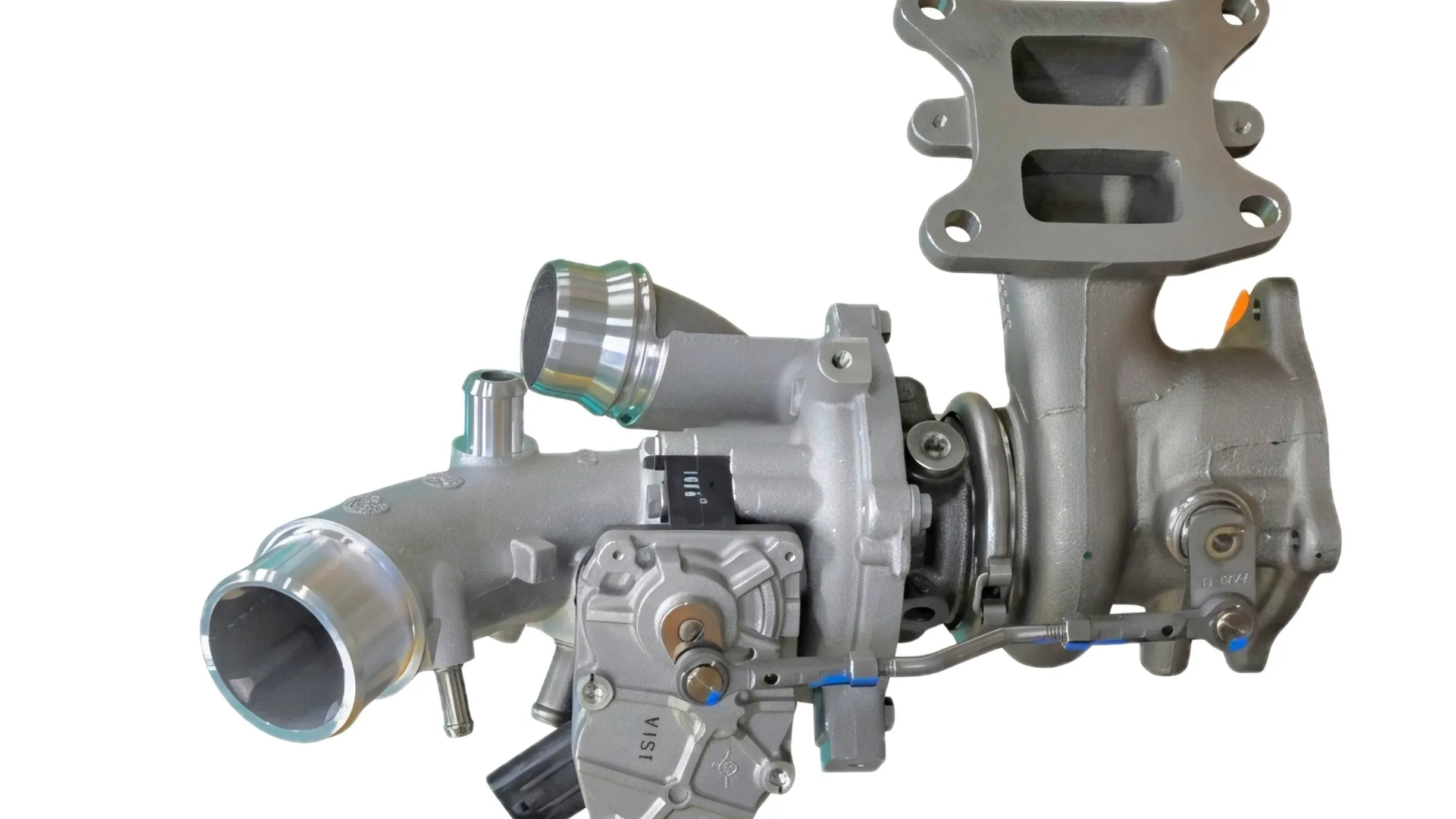
BorgWarner has secured three new turbocharger contracts with a global powertrain technology company. The wins comprise one contract for its variable turbine geometry (VTG) turbocharger and two for its wastegate turbocharger. The technologies will be deployed in the customer's light-vehicle gasoline platforms in South America and Europe, with production scheduled to begin in 2027.The VTG turbochargers are designed for gasoline engines operating under demanding conditions and high-boost pressure requirements. They are engineered to support Miller-cycle engines and withstand exhaust temperatures ..
Next Story
Infrastructure Transport

International Digi Yatra Trials Begin at Seven Airports

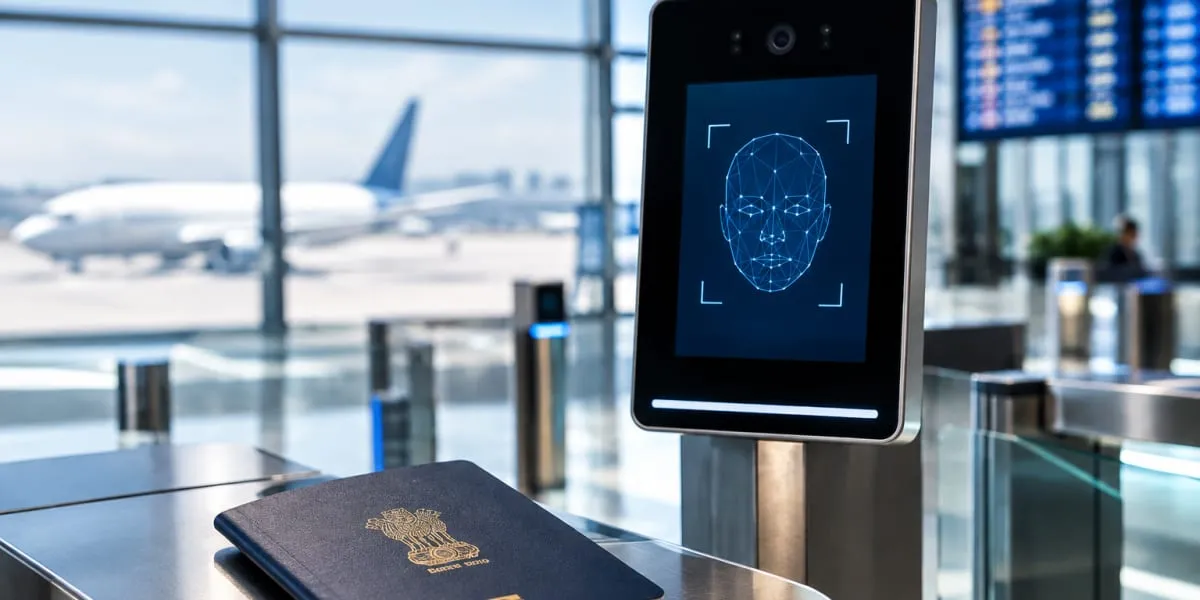
India has begun trials of Digi Yatra for international passengers at seven airports, allowing eligible Indian passport holders to use facial recognition at selected airport checkpoints. The facility is currently limited to Indian nationals with e-passports travelling on selected international flights operated by Air India and IndiGo. The Civil Aviation Ministry announced the trials on 1 November, with testing scheduled through December 2026. A wider rollout is expected in 2027 after the ministry assesses passenger feedback gathered during the trial period, according to PTI. The system is inten..

Advertisement

Subscribe to Our Newsletter

Get daily newsletters around different themes from Construction world.

STAY CONNECTED

Advertisement

SPECIAL OFFER
QR Code