Cabinet Approves Rs 1.6B Scheme for Irrigation Modernisation
ECONOMY & POLICY

Cabinet Approves Rs 1.6B Scheme for Irrigation Modernisation

The Union Cabinet has approved the Modernisation of Command Area Development and Water Management (M-CADWM) scheme as a sub-scheme under the Pradhan Mantri Krishi Sinchayee Yojana (PMKSY). With a budget of Rs 1.6 billion, the initiative will be implemented from 2025-26 and aims to improve irrigation infrastructure across India.

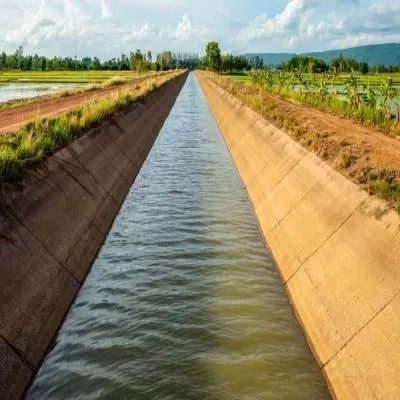
The main goal is to modernise irrigation networks so that water from canals and other sources reaches farming clusters more efficiently. According to the Ministry of Jal Shakti, this will especially help small landholding farmers by improving water-use efficiency through smart technologies like SCADA and IoT. These systems will enable better water accounting and farm-level management.

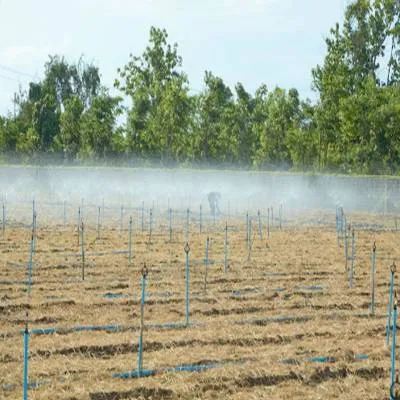
One of the scheme’s key features is the rollout of underground pressurised piped irrigation systems, which will cover up to one hectare per farm. This is expected to strengthen micro-irrigation and boost productivity.

The scheme also promotes sustainable farming by transferring irrigation management responsibilities to Water User Societies (WUS). These societies will be supported for five years and connected with Farmer Producer Organisations (FPOs) or Primary Agricultural Cooperative Societies (PACS) to ensure long-term success.

The Ministry added that the scheme will also encourage youth participation in agriculture by promoting the use of modern irrigation technologies and creating new opportunities in the sector.

The Union Cabinet has approved the Modernisation of Command Area Development and Water Management (M-CADWM) scheme as a sub-scheme under the Pradhan Mantri Krishi Sinchayee Yojana (PMKSY). With a budget of Rs 1.6 billion, the initiative will be implemented from 2025-26 and aims to improve irrigation infrastructure across India. The main goal is to modernise irrigation networks so that water from canals and other sources reaches farming clusters more efficiently. According to the Ministry of Jal Shakti, this will especially help small landholding farmers by improving water-use efficiency through smart technologies like SCADA and IoT. These systems will enable better water accounting and farm-level management. One of the scheme’s key features is the rollout of underground pressurised piped irrigation systems, which will cover up to one hectare per farm. This is expected to strengthen micro-irrigation and boost productivity. The scheme also promotes sustainable farming by transferring irrigation management responsibilities to Water User Societies (WUS). These societies will be supported for five years and connected with Farmer Producer Organisations (FPOs) or Primary Agricultural Cooperative Societies (PACS) to ensure long-term success. The Ministry added that the scheme will also encourage youth participation in agriculture by promoting the use of modern irrigation technologies and creating new opportunities in the sector.

Next Story
Infrastructure Urban

Implementation Status of Jal Jeevan Mission

Since August 2019 the Government has implemented Jal Jeevan Mission to provide assured potable water through household tap connections in rural India. At the start of the mission only 32.3 million (mn) rural households, representing 16.7 per cent, were reported to have tap water connections. States and union territories have reported that 125.8 mn additional rural households have since been provided with tap connections. As a result, of about 193.6 mn rural households roughly 158.2 mn, or 81.71 per cent, are reported to have tap water supply at home.\n\nThe State, district and village level st..

Next Story
Infrastructure Urban

Jal Jeevan Mission Reaches Eighty One Per Cent Rural Coverage

The Government reported substantial progress under the Jal Jeevan Mission, launched in August 2019 to provide tap water to every rural household. At launch only 32.3 million (mn) rural households had tap connections and states and Union territories reported provision of 125.8 mn additional households by March 2026. Consequently, out of about 193.6 mn rural households around 158.2 mn, or 81.71 per cent, are reported to have tap water at home. The Finance Minister announced extension of the mission until 2028 in the 2025-26 budget speech. The Swachh Bharat Mission Grameen, launched in October 20..

Next Story
Infrastructure Urban

Empowering Local Governance for Sustainable Rural Water Supply

The Ministry of Jal Shakti has aligned the Jal Jeevan Mission (JJM) with the 73rd Amendment to strengthen village level planning and community ownership of water supply. Gram Panchayats, village water and sanitation committees and Pani Samitis are to plan, implement, manage and maintain piped water systems, with gram sabha processes formalising handover and oversight. Implementation support agencies including non government organisations, community based organisations and self help groups have been empanelled to train local committees and promote women participation. Under JJM, the department ..

Advertisement

Subscribe to Our Newsletter

Get daily newsletters around different themes from Construction world.

STAY CONNECTED

Advertisement

Advertisement

Advertisement