Centre Disburses Rs 43,839.8 mn in XV-FC Grants for Rural Bodies
ECONOMY & POLICY

Centre Disburses Rs 43,839.8 mn in XV-FC Grants for Rural Bodies

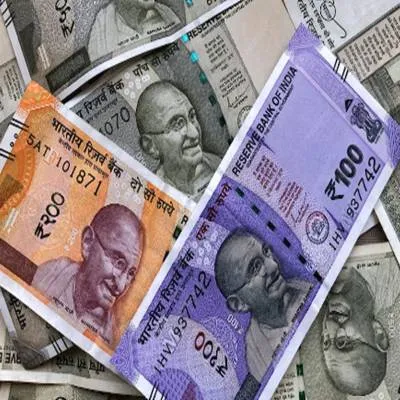
The Union Government has released Rs 43,839.8 million (mn) under the Fifteenth Finance Commission (XV-FC) as tied and untied grants to Panchayati Raj Institutions (PRIs) and Rural Local Bodies (RLBs) in Bihar, Uttar Pradesh, Jharkhand and Maharashtra for FY 2025–26. The disbursements cover allocations across different financial years and aim to strengthen rural governance and basic services. Grants were recommended by the Ministry of Panchayati Raj and the Ministry of Jal Shakti and released by the Ministry of Finance.

In Bihar Rs 12,036.0 mn was released as the second tied instalment to all 38 District Panchayats (DPs), 533 Block Panchayats (BPs) and 8,053 Gram Panchayats (GPs), with Rs 20.9 mn from withheld first instalment released to three BPs and seven GPs that became eligible. Uttar Pradesh received Rs 23,391.0 mn as the second tied instalment for all 75 DPs, 826 BPs and 57,694 GPs, together with Rs 165.2 mn from withheld first instalment released to two DPs, 13 BPs and 61 GPs. These sums reflect scheduled instalments under XV-FC.

In Jharkhand tied grants total Rs 4,126.9 mn for 24 DPs, 253 BPs and 4,342 GPs. Maharashtra was disbursed withheld tied amounts of Rs 1,040.4 mn from the first instalment and Rs 1,206.1 mn from the second, covering 12 additionally eligible DPs, 125 BPs and a varying number of GPs in each tranche. Under untied grants Maharashtra received Rs 1,062.0 mn from the withheld first instalment and Rs 791.3 mn from the withheld second instalment for similarly eligible local bodies.

Untied grants are to be used by Panchayati Raj Institutions and Rural Local Bodies for location specific needs under the 29 subjects of the Eleventh Schedule of the Constitution, excluding salaries and establishment costs, while tied grants are designated for sanitation, maintenance of open defecation free status and drinking water services including rainwater harvesting and recycling. Allocations are recommended and released in two instalments per financial year to promote accountability and service delivery. The Ministry of Panchayati Raj will monitor utilisation in coordination with state authorities.

The Union Government has released Rs 43,839.8 million (mn) under the Fifteenth Finance Commission (XV-FC) as tied and untied grants to Panchayati Raj Institutions (PRIs) and Rural Local Bodies (RLBs) in Bihar, Uttar Pradesh, Jharkhand and Maharashtra for FY 2025–26. The disbursements cover allocations across different financial years and aim to strengthen rural governance and basic services. Grants were recommended by the Ministry of Panchayati Raj and the Ministry of Jal Shakti and released by the Ministry of Finance. In Bihar Rs 12,036.0 mn was released as the second tied instalment to all 38 District Panchayats (DPs), 533 Block Panchayats (BPs) and 8,053 Gram Panchayats (GPs), with Rs 20.9 mn from withheld first instalment released to three BPs and seven GPs that became eligible. Uttar Pradesh received Rs 23,391.0 mn as the second tied instalment for all 75 DPs, 826 BPs and 57,694 GPs, together with Rs 165.2 mn from withheld first instalment released to two DPs, 13 BPs and 61 GPs. These sums reflect scheduled instalments under XV-FC. In Jharkhand tied grants total Rs 4,126.9 mn for 24 DPs, 253 BPs and 4,342 GPs. Maharashtra was disbursed withheld tied amounts of Rs 1,040.4 mn from the first instalment and Rs 1,206.1 mn from the second, covering 12 additionally eligible DPs, 125 BPs and a varying number of GPs in each tranche. Under untied grants Maharashtra received Rs 1,062.0 mn from the withheld first instalment and Rs 791.3 mn from the withheld second instalment for similarly eligible local bodies. Untied grants are to be used by Panchayati Raj Institutions and Rural Local Bodies for location specific needs under the 29 subjects of the Eleventh Schedule of the Constitution, excluding salaries and establishment costs, while tied grants are designated for sanitation, maintenance of open defecation free status and drinking water services including rainwater harvesting and recycling. Allocations are recommended and released in two instalments per financial year to promote accountability and service delivery. The Ministry of Panchayati Raj will monitor utilisation in coordination with state authorities.

Related Stories

Gold Stories

Next Story
Infrastructure Urban

KONE Opens India's First Digital Experience Centre in Pune

KONE, a global elevator and escalator manufacturer, has inaugurated its first Digital Experience Centre (DEC) in India, located in Pune. The facility aims to showcase how artificial intelligence (AI), connectivity and data-driven technologies can enhance customer experiences and improve building operations.The centre was inaugurated by Jussi Herlin, Executive Vice Chair, KONE Corporation; Philippe Delorme, President and CEO, KONE; and Nandan Nilekani, Co-founder and Chairman of the Board, Infosys.Designed as an interactive customer environment, the facility demonstrates digital solutions cover..

Next Story
Infrastructure Urban

CII GreenCo Launches Circularity Guidelines for Indian Industry

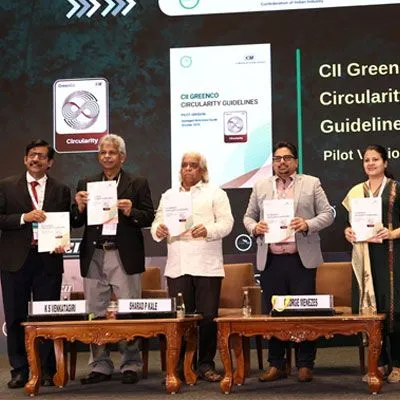
The Confederation of Indian Industry (CII) GreenCo Council has launched the CII GreenCo Circularity Guidelines – Pilot Version at the 17th CII GreenCo Waste & Resource Management Summit 2026 in Chennai. The initiative aims to strengthen resource efficiency, waste reduction and circular economy practices across Indian manufacturing and process industries.The guidelines introduce a structured framework with circularity indices covering raw materials, consumables, packaging and other resource inputs. These indicators will help industries assess existing practices, identify opportunities to ..

Next Story
Infrastructure Energy

Global Electronics Association Launches IPC-1783-CO2E Standard

The Global Electronics Association has introduced IPC-1783-CO2E, a new international standard aimed at improving consistency, transparency and comparability in product carbon footprint reporting across the electronics manufacturing industry.The standard, titled International Standard for Data Collection and Reporting of CO2 Equivalent (CO2e) Emissions for the Electronics Manufacturing Supply Chain, provides industry-specific guidance for collecting, estimating and reporting carbon emissions data.With increasing regulatory requirements and customer expectations, electronics manufacturers face c..

Advertisement

Subscribe to Our Newsletter

Get daily newsletters around different themes from Construction world.

STAY CONNECTED

Advertisement

SPECIAL OFFER
QR Code