Chandigarh's Enhanced EV Subsidy Awaits Approval
ECONOMY & POLICY

Chandigarh's Enhanced EV Subsidy Awaits Approval

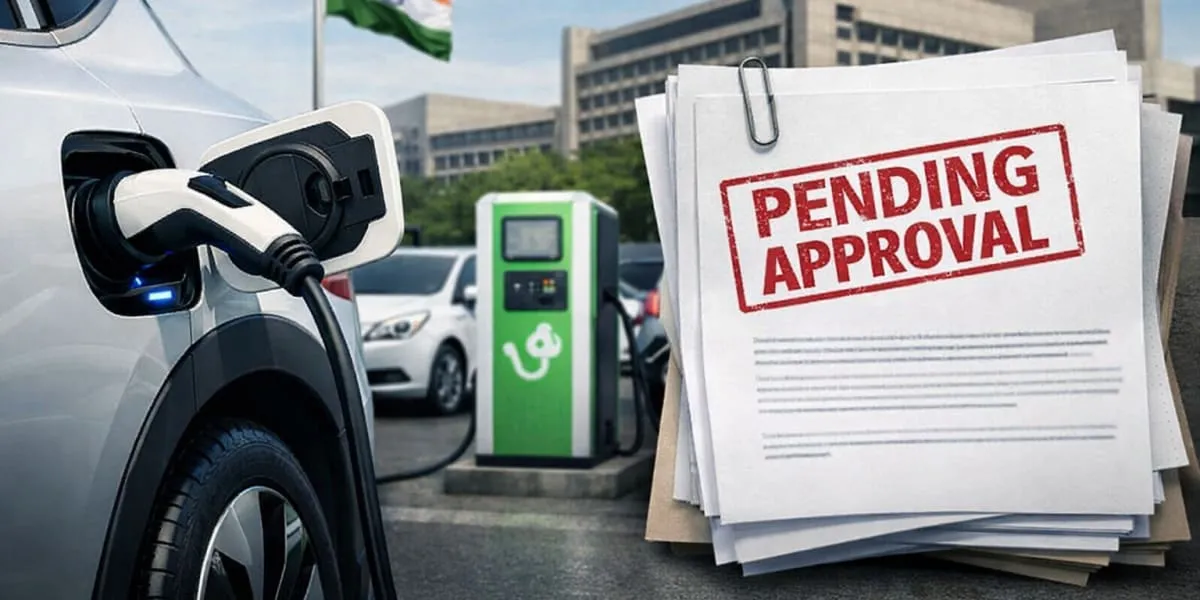
Nine months after the Union Territory (UT) submitted its enhanced electric vehicle (EV) subsidy plan to the Ministry of Home Affairs (MHA), the proposal remains under consideration, delaying implementation. The plan, as described by local officials, is intended to broaden purchase incentives, support manufacturers and dealers and expand charging infrastructure across the region. Officials framed the measure as part of a wider effort to accelerate adoption of cleaner transport and to align urban mobility with environmental and economic objectives.

Business owners and dealerships have said the uncertainty has constrained investment decisions and slowed stocking of electric models, while prospective buyers have adopted a wait-and-see approach. Fleet operators and shared mobility providers have similarly deferred expansion plans in the absence of clarity on the incentive structure and timelines. Manufacturers have indicated that predictable policy signals are important to scale local assembly and to justify investment in service networks.

The UT administration says it has supplied additional documentation and technical details to the Ministry and is awaiting a formal clearance that would enable release of funds and roll-out of the enhanced scheme. Local planners expect that, once operational, the incentives will encourage a shift from internal combustion vehicles to electric alternatives, reduce urban pollution and support the development of a local value chain for components and services. Stakeholders anticipate ancillary benefits including new employment opportunities and lower operating costs for frequent commuters and small businesses.

Advocacy groups and industry representatives have called for an expedited decision and for clearer timelines so that procurement cycles and manufacturing plans can be aligned with policy signals. The UT has indicated willingness to work with central authorities to address technical concerns and to adapt the scheme if required, while maintaining the objective of broadening access to electric mobility. Timely approval is regarded as critical to convert policy design into on-the-ground change and to ensure that intended environmental and economic gains are realised.

Nine months after the Union Territory (UT) submitted its enhanced electric vehicle (EV) subsidy plan to the Ministry of Home Affairs (MHA), the proposal remains under consideration, delaying implementation. The plan, as described by local officials, is intended to broaden purchase incentives, support manufacturers and dealers and expand charging infrastructure across the region. Officials framed the measure as part of a wider effort to accelerate adoption of cleaner transport and to align urban mobility with environmental and economic objectives. Business owners and dealerships have said the uncertainty has constrained investment decisions and slowed stocking of electric models, while prospective buyers have adopted a wait-and-see approach. Fleet operators and shared mobility providers have similarly deferred expansion plans in the absence of clarity on the incentive structure and timelines. Manufacturers have indicated that predictable policy signals are important to scale local assembly and to justify investment in service networks. The UT administration says it has supplied additional documentation and technical details to the Ministry and is awaiting a formal clearance that would enable release of funds and roll-out of the enhanced scheme. Local planners expect that, once operational, the incentives will encourage a shift from internal combustion vehicles to electric alternatives, reduce urban pollution and support the development of a local value chain for components and services. Stakeholders anticipate ancillary benefits including new employment opportunities and lower operating costs for frequent commuters and small businesses. Advocacy groups and industry representatives have called for an expedited decision and for clearer timelines so that procurement cycles and manufacturing plans can be aligned with policy signals. The UT has indicated willingness to work with central authorities to address technical concerns and to adapt the scheme if required, while maintaining the objective of broadening access to electric mobility. Timely approval is regarded as critical to convert policy design into on-the-ground change and to ensure that intended environmental and economic gains are realised.

Next Story
Infrastructure Urban

Lemon Tree Hotels Signs Resort In Lonavala Maharashtra

Lemon Tree Hotels Limited (LTHL) has signed a licence agreement for Lemon Tree Resort in Lonavala, Maharashtra, with the asset to be managed by Carnation Hotels Private Limited, a wholly owned subsidiary of LTHL. The resort will offer 50 well appointed rooms and will include a restaurant, banquet, meeting room, swimming pool, spa and fitness centre. The company described the addition as part of its strategy to expand branded resort offerings in key getaway destinations. Lonavala, located in the Sahyadri hills, is a popular leisure destination in western India known for scenic landscapes and a ..

Next Story
Infrastructure Urban

Kalai Chettinad Art And Architecture Festival At The Lotus Palace

The Lotus Palace Chettinad will host Kalai, the Chettinad Art and Architecture Festival, a four-day, three-night immersive celebration of the artistic legacy of Chettinad from three to six April 2026. The event has been organised by Apeejay Surrendra Park Hotels Limited (ASPHL) and will take place across restored heritage properties in Chettinad. It will be designed to offer guests a layered experience of place, structure and story that connects art, architecture and living traditions. The festival aims to present a confluence of global influences and local aesthetics. Kalai has been curated i..

Next Story
Infrastructure Energy

SJVN Reaches One bn Units At 1,000 MW Bikaner Solar Project

SJVN Limited (SJVN) has reached a milestone with its 1,000 megawatt (MW) Bikaner Solar Power Project by generating one bn units of electricity on 20 March 2026. The achievement underscores the company's role in supplying clean and sustainable energy to the national grid. The generation milestone was recorded within months of the project commencing operations and highlights rapid performance from the new facility. The Bikaner project, located in Bikaner district of Rajasthan, has been developed and implemented by SJVN Green Energy Limited (SGEL) under the Central Public Sector Undertaking Schem..

Advertisement

Subscribe to Our Newsletter

Get daily newsletters around different themes from Construction world.

STAY CONNECTED

Advertisement

Advertisement

Advertisement