


+
Delhi LG Extends Allottees' Relocation
ECONOMY & POLICY

Delhi LG Extends Allottees' Relocation

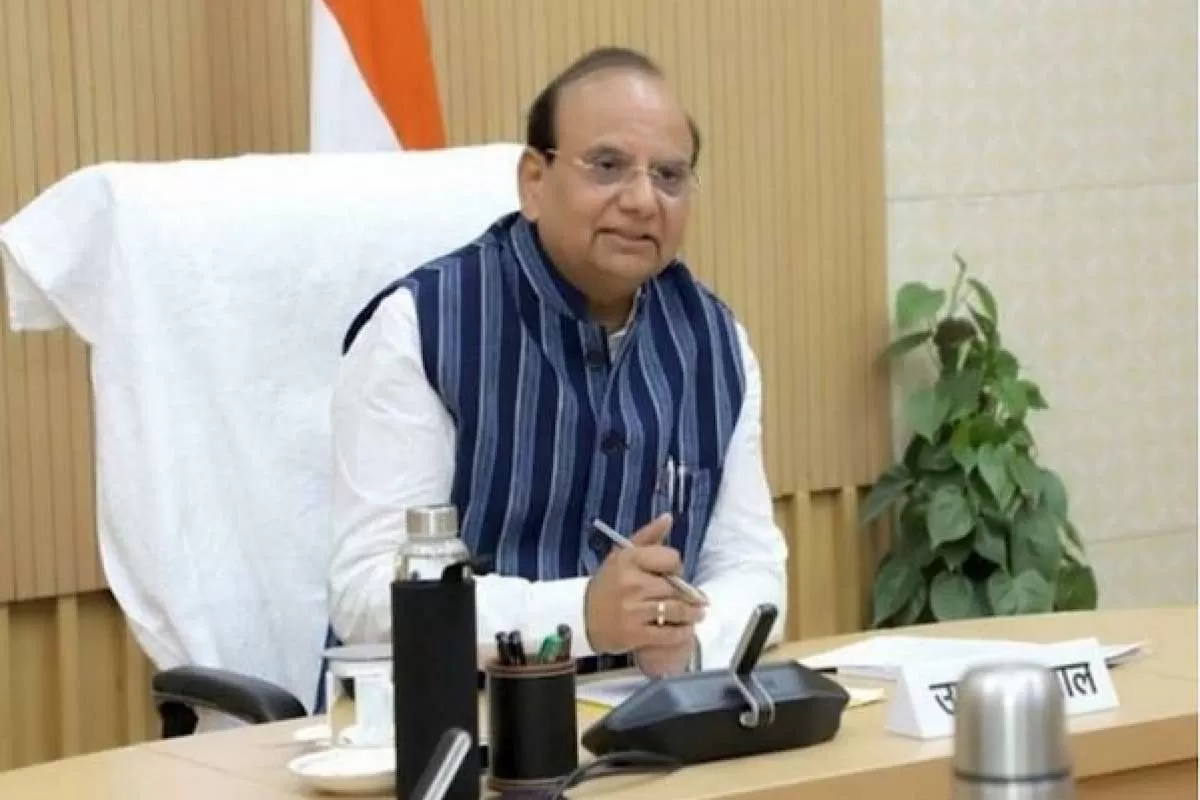
In a pivotal development, the Lieutenant Governor (LG) of Delhi has issued a directive to the Delhi State Industrial and Infrastructure Development Corporation (DSIIDC), mandating a six-month extension for allottees participating in the ongoing relocation scheme. This directive, emanating from the highest echelons of the Delhi administration, marks a significant stride towards ensuring a smoother transition for individuals and businesses affected by the city's dynamic urban landscape transformations.

The six-month extension period granted by the LG underscores a compassionate and pragmatic approach to the challenges faced by allottees navigating the complexities of relocation. It is poised to provide much-needed breathing space for those caught in the midst of the intricate web of adjustments necessitated by urban development and industrial restructuring initiatives.

This decision stands as a testament to the government's commitment to balancing the imperatives of urban growth with the welfare of its residents. By affording additional time to allottees, the LG aims to alleviate potential disruptions that may arise during the relocation process, showcasing a nuanced understanding of the multifaceted impact of such initiatives on the lives and livelihoods of Delhi's populace.

The extension directive is not merely a bureaucratic formality but a proactive measure demonstrating a responsiveness to the concerns of affected parties. It reflects a commitment to ensuring that the metamorphosis of the capital city aligns with the broader goal of fostering sustainable development without unduly burdening the individuals and businesses caught in the transition.

As the city evolves, the LG's decision to extend the relocation timeline emerges as a pivotal chapter in the ongoing narrative of Delhi's urban rejuvenation. It symbolizes a judicious blend of policy-making and empathy, underscoring the delicate balance between progress and the human dimension of development.

In a pivotal development, the Lieutenant Governor (LG) of Delhi has issued a directive to the Delhi State Industrial and Infrastructure Development Corporation (DSIIDC), mandating a six-month extension for allottees participating in the ongoing relocation scheme. This directive, emanating from the highest echelons of the Delhi administration, marks a significant stride towards ensuring a smoother transition for individuals and businesses affected by the city's dynamic urban landscape transformations. The six-month extension period granted by the LG underscores a compassionate and pragmatic approach to the challenges faced by allottees navigating the complexities of relocation. It is poised to provide much-needed breathing space for those caught in the midst of the intricate web of adjustments necessitated by urban development and industrial restructuring initiatives. This decision stands as a testament to the government's commitment to balancing the imperatives of urban growth with the welfare of its residents. By affording additional time to allottees, the LG aims to alleviate potential disruptions that may arise during the relocation process, showcasing a nuanced understanding of the multifaceted impact of such initiatives on the lives and livelihoods of Delhi's populace. The extension directive is not merely a bureaucratic formality but a proactive measure demonstrating a responsiveness to the concerns of affected parties. It reflects a commitment to ensuring that the metamorphosis of the capital city aligns with the broader goal of fostering sustainable development without unduly burdening the individuals and businesses caught in the transition. As the city evolves, the LG's decision to extend the relocation timeline emerges as a pivotal chapter in the ongoing narrative of Delhi's urban rejuvenation. It symbolizes a judicious blend of policy-making and empathy, underscoring the delicate balance between progress and the human dimension of development.

Next Story
Infrastructure Urban

Implementation Status of Jal Jeevan Mission

Since August 2019 the Government has implemented Jal Jeevan Mission to provide assured potable water through household tap connections in rural India. At the start of the mission only 32.3 million (mn) rural households, representing 16.7 per cent, were reported to have tap water connections. States and union territories have reported that 125.8 mn additional rural households have since been provided with tap connections. As a result, of about 193.6 mn rural households roughly 158.2 mn, or 81.71 per cent, are reported to have tap water supply at home.\n\nThe State, district and village level st..

Next Story
Infrastructure Urban

Jal Jeevan Mission Reaches Eighty One Per Cent Rural Coverage

The Government reported substantial progress under the Jal Jeevan Mission, launched in August 2019 to provide tap water to every rural household. At launch only 32.3 million (mn) rural households had tap connections and states and Union territories reported provision of 125.8 mn additional households by March 2026. Consequently, out of about 193.6 mn rural households around 158.2 mn, or 81.71 per cent, are reported to have tap water at home. The Finance Minister announced extension of the mission until 2028 in the 2025-26 budget speech. The Swachh Bharat Mission Grameen, launched in October 20..

Next Story
Infrastructure Urban

Empowering Local Governance for Sustainable Rural Water Supply

The Ministry of Jal Shakti has aligned the Jal Jeevan Mission (JJM) with the 73rd Amendment to strengthen village level planning and community ownership of water supply. Gram Panchayats, village water and sanitation committees and Pani Samitis are to plan, implement, manage and maintain piped water systems, with gram sabha processes formalising handover and oversight. Implementation support agencies including non government organisations, community based organisations and self help groups have been empanelled to train local committees and promote women participation. Under JJM, the department ..

Advertisement

Subscribe to Our Newsletter

Get daily newsletters around different themes from Construction world.

STAY CONNECTED

Advertisement

Advertisement

Advertisement