Delhi to Seek Centre Aid for EV Charging and Battery Swapping
ECONOMY & POLICY

Delhi to Seek Centre Aid for EV Charging and Battery Swapping

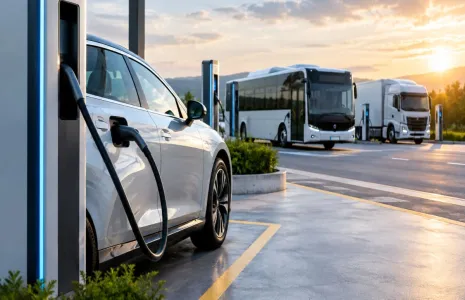
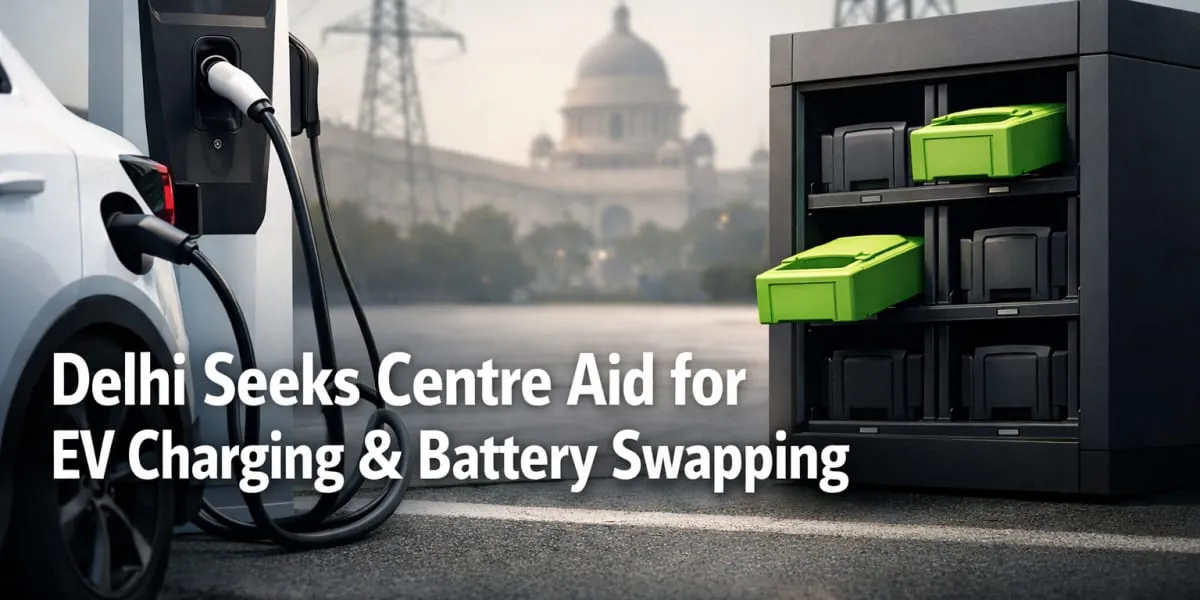
Delhi plans to seek support from the Centre under the PM E-DRIVE scheme to expand electric vehicle charging and battery swapping infrastructure. Delhi Transco Limited (DTL) is to be appointed the nodal agency for planning, coordination and implementation. Officials said DTL will aggregate demand, identify locations and assess load requirements across departments.

It will undertake system level planning to ensure optimal siting, grid readiness and phased deployment. The transport department will require standard operating procedures detailing technical standards, approval processes, timelines, service level benchmarks and monitoring mechanisms for deployment and operation. The procedures are intended to streamline approvals and ensure consistent service quality.

A dedicated digital portal will be developed to manage site onboarding, approvals, monitoring and reporting either under the PM E-DRIVE framework or a Government of National Capital Territory of Delhi (GNCTD) specific platform. The portal will operate with District Magistrates, Deputy Commissioners and the Revenue department for end to end management. A high powered committee under the Chief Secretary will frame policy and oversee implementation.

DTL will create a single window facility for faster clearances and expedited electricity connections for charging point and battery swapping operators deploying public and semi public charging stations. The government will engage original equipment manufacturers to ensure supply of electric vehicles and to require each dealer to host at least one public charging station comprising three charging points for two or three wheelers and two for four wheelers.

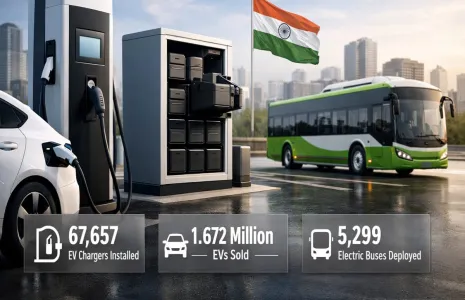
The Environment department will enforce the Battery Waste Management Rules, 2022 and extended producer responsibility requirements to ensure sound management of waste batteries. The Delhi Pollution Control Committee will prepare a policy framework, facilitate battery collection centres under a public private partnership model with recyclers and notify SOPs for safe collection, storage and transfer of waste batteries to authorised recyclers or Producer Responsibility Organisations. Under the new EV policy five point eight million (mn) two wheelers are being targeted through subsidies and scrappage incentives and the number of public charging and battery swapping points will increase from 9,000 to 36,000.

Delhi plans to seek support from the Centre under the PM E-DRIVE scheme to expand electric vehicle charging and battery swapping infrastructure. Delhi Transco Limited (DTL) is to be appointed the nodal agency for planning, coordination and implementation. Officials said DTL will aggregate demand, identify locations and assess load requirements across departments. It will undertake system level planning to ensure optimal siting, grid readiness and phased deployment. The transport department will require standard operating procedures detailing technical standards, approval processes, timelines, service level benchmarks and monitoring mechanisms for deployment and operation. The procedures are intended to streamline approvals and ensure consistent service quality. A dedicated digital portal will be developed to manage site onboarding, approvals, monitoring and reporting either under the PM E-DRIVE framework or a Government of National Capital Territory of Delhi (GNCTD) specific platform. The portal will operate with District Magistrates, Deputy Commissioners and the Revenue department for end to end management. A high powered committee under the Chief Secretary will frame policy and oversee implementation. DTL will create a single window facility for faster clearances and expedited electricity connections for charging point and battery swapping operators deploying public and semi public charging stations. The government will engage original equipment manufacturers to ensure supply of electric vehicles and to require each dealer to host at least one public charging station comprising three charging points for two or three wheelers and two for four wheelers. The Environment department will enforce the Battery Waste Management Rules, 2022 and extended producer responsibility requirements to ensure sound management of waste batteries. The Delhi Pollution Control Committee will prepare a policy framework, facilitate battery collection centres under a public private partnership model with recyclers and notify SOPs for safe collection, storage and transfer of waste batteries to authorised recyclers or Producer Responsibility Organisations. Under the new EV policy five point eight million (mn) two wheelers are being targeted through subsidies and scrappage incentives and the number of public charging and battery swapping points will increase from 9,000 to 36,000.

Next Story
Infrastructure Urban

MIDC and Ramky Unit Sign Concession for Life Sciences Park

Maharashtra Industrial Development Corporation has signed a concession agreement with Maha Integrated Life Sciences City Limited (MILeS City), a wholly owned subsidiary of Ramky Infrastructure Limited (RIL), to develop a high-tech pharmaceutical park at Dighi Port Industrial Area in Raigad. The project will follow a public-private partnership under a DBFOT model and has an estimated cost of Rs 30 billion (Rs 30 bn). The concession will run for 95 years, including a five-year construction phase, with MILeS City responsible for development and management. The development will occupy approximatel..

Next Story
Real Estate

BuzzWorks Leases Hyderabad Office to MyComplianceOffice

Brigade Group’s managed workspace provider BuzzWorks has leased 550 seats at Mindspace Business Park in Hyderabad to Dublin based MyComplianceOffice, in what is the company’s largest office in India. With this signing, BuzzWorks' total leased office space in Hyderabad stands at zero point one one million (mn) square feet. The new premises will house core functions including product engineering, product management, customer success and global operations. Artificial intelligence enabled compliance technology initiatives will also be part of the local delivery model. BuzzWorks will provide wo..

Next Story
Infrastructure Transport

Jindal Stainless Flags Operational Strain From Middle East Crisis

Jindal Stainless warned that the Middle East war crisis has affected its operations because of dependence on industrial gases such as propane and LPG and on natural gas. The scrap-based production route used by the stainless steel maker does not generate blast furnace or coke oven gases internally, unlike the conventional steel industry. Several plant processes have been adversely impacted and production is being run at rationalised capacity. Disruptions in global shipping routes have resulted in vessel diversions, longer transit times and cargo delays, adding pressure to supply chains and to ..

Advertisement

Subscribe to Our Newsletter

Get daily newsletters around different themes from Construction world.

STAY CONNECTED

Advertisement

Advertisement

Advertisement