Exploring War’s Effects on Indian Real Estate: Dr Prashant Thakur
ECONOMY & POLICY

Exploring War’s Effects on Indian Real Estate: Dr Prashant Thakur

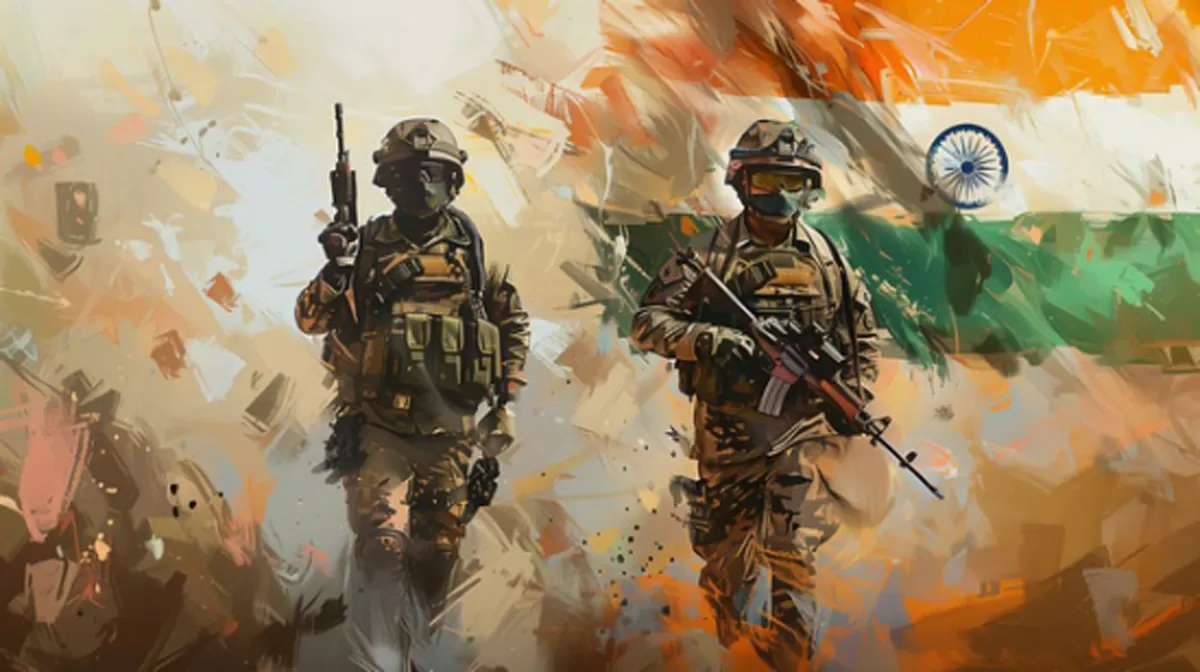
War rarely leaves anything untouched, especially not real estate. We may not necessarily be talking about decimated buildings - though those must be factored in within the actual conflict zones, opines   Dr Prashant Thakur, Regional Director & Head – Research, ANAROCK Group. Armed conflicts generally have a negative effect on economies, except if a country has reconfigured itself as a 'war economy'. Such economic reinvention happens only during protracted wars and comes with several human costs.
 
Wars also stall construction and dampen end-user and investor confidence. Aspiring homebuyers put decisions on hold. Retailers put a brake on their expansion plans, and tourists postpone their travel plans. Real estate markets adapt, pause, and then bounce back.
 
If we consider India's last two most significant military engagements — the Indo-Pak war in 1971 and the Kargil war in 1999, we saw this process unfold in all the four critical real estate sectors: residential, commercial, retail, and hospitality.
 
War - The 'real' impact
 
War creates several economic effects and side-effects which impact the real estate market in different ways:
 
1. Reduced end-user and investor confidence - Homebuyers delay purchases, businesses delay office leases, and investors seek safer havens like gold (and, these days, cryptocurrencies)
2. Raw materials get scarce - The key inputs for construction - steel and cement - may be diverted to fortify the country's defence infrastructure, and/or see steep price hikes
3. Government spending pivots - Governments will spend more on its military and reduce spending on infrastructure and consumer real estate
4. Capital values may take a hit - While armed conflicts do not impact rentals much, housing capital values may reduce because of lower demand
 
1971 Indo-Pak War: Construction screeches to standstill
 
The 13-day conflict in December 1971 did a lot more than redraw India's borders — it brought the country's economy to a virtual standstill. There was a huge dip in GDP growth - from 5.4% in FY1970 to 1% in FY1972. Simultaneously, inflation spiked beyond 11% and construction was largely restricted to military sites.
 
  • Impact on housing market
In the financial capital of Mumbai - then Bombay - the state government put an iron grip on cement and steel, which resulted in a 12% reduction in the approval of housing projects. Thankfully, the rent control laws remained unyielding, so housing rental rates did not spike even though inflation raged out of control. Not surprisingly, property registrations in the city reduced by almost 10% in 1971.
 
  • Impact on commercial real estate
There were no FDI inflows worth mentioning, the development of private office spaces came to a grinding halt. Locations like Mumbai's Fort area and Delhi's Connaught Place saw massive vacancy rates - however, office rentals did not sink because of the limited supply, and due to inflexible regulations.
 
  • Impact on retail real estate
Back in 1971, India's high-street retail scene was mostly unorganised and uncharted, but local shops in Old Delhi and Kolkata saw a significant drop in footfalls. According to available court records from 1971, shop rent disputes in Mumbai rose by 18% due to increased stress among tenants.
 
  • Impact on hospitality real estate
Unsurprisingly, tourism in India was impacted by the war. From 2.02 million in 1970, Foreign Tourist Arrivals (FTAs) reduced to 1.96 million in 1971. In Delhi, hotel occupancy dropped to under 45% and even the hospitality major of the day - the Indian Hotels Company - saw revenues drop in double-digits, especially in areas that were directly affected by the way - especially Srinagar.
 
The 1999 Kargil War: A short but hard impact
 
The Kargil standoff, which latest three months, resulted in considerable short-term market panic. However, India’s economy was liberalised and far more resilient by then, and recovered quickly.
 
  • Impact on housing market
The 1999, the country's real estate market was already reeling under the impact of the Asian financial crisis. This time, housing rental values did take a direct hit - in Delhi and Mumbai’s prime residential locations, rental values plummeted by anywhere between 3–8% in these three months and bottomed out by 1999-end. Interestingly, despite the conflict and all its ramifications, luxury apartments in Mumbai's Cuffe Parade still commanded then-handsome prices of between INR 20,000-23,200/sq.ft.
 
  • Impact on commercial real estate
1999 saw approx. 4.8 million sq. ft. of new office space hitting the main cities. In CBDs like Connaught Place, vacancies increased anywhere between 11-15% and rentals dropped marginally. Large international companies did not cancel their leases, but did defer them in most cases.
 
Back then, Bengaluru was not yet India's fully-established Silicon Valley, but places like Koramangala had full-fledged IT parks which saw undeterred leasing at rents ranging between INR ₹35–65/sq. ft./month.
 
  • Impact on retail real estate
The Kargil war coincided by the finishing touches being made to the country's pioneering malls - Mumbai's Crossroads and Delhi's Ansal Plaza. Premium retail real estate, a shiny novelty in 1999, commanded higher rents than commercial real estate, but the conflict prompted most enlisted retailers to put their store openings on hold.
 
  • Impact on hospitality real estate
Surprisingly, except in the directly affected regions, the tourism industry remained remarkably robust. 1999 saw a 5.3% increase in Free Trade Agreements (FTAs), thanks largely due to the then-incumbent government’s push to tourism and also a subdued rupee. North India saw spiralling hotel cancellations to the tune of anywhere between 20–30% in these three months. Hotels in Delhi and Kashmir took a major body blow, with MICE bookings getting cancelled en masse. Interestingly, Kargil became a popular tourism destination after peace was restored and by 2003, saw its tourist footfall double to 44,000/year over the pre-war numbers.
 
Real estate resilience – What lies beneath
 
India's real estate market benefited from three major factors after both these wars - pent-up demand (the need for homes and offices obviously continued), stricter regulations (RBI’s conservative lending norms kept leverage low, which helped curtail panic), and quick stock market recover. While the Nifty dropped approximately 5% at various points of these two conflicts, it snapped back within 5-6 months to deliver positive returns.
 
Today - The costs of escalation
 
If the current conflict broadens, we should be prepared for certain ramifications:
 
  • Housing - Residential absorption in Delhi-NCR and other parts of north India may witness a short-term dip of between 5–10%. Luxury housing buyers tend to delay purchases in periods of uncertainty. Demand for mid-income housing will be the first to recover once normalcy is restored. However, prices of cement and steel would remain elevated over the medium term unless the government intervenes.
  • Commercial real estate - If the conflict persists or widens, we can reasonably expect MNCs to put their entry/expansion plans into India on temporary hold. This would obviously impact absorption numbers, but long-term demand — most notably from the GCC, BFSI and IT sectors - will return and strengthen within 12 months or less.
  • Retail real estate - Larger malls have less to worry about because of long-term leases and also rent-waiver clauses. They can therefore weather such a storm more adroitly than high-street retail. We may see a drop in footfall and store launches being postponed. Nevertheless, India's consumption will overcome these odds quickly and Indian retailers have perfected the art of nimbleness during COVID-19 - expect highly imaginative promotions to draw the crowds back in.
  • Hospitality real estate - Naturally, Delhi, Kashmir, and other impacted regions are going to see a flurry of cancellations if the conflict persists or widens. We may see hotel occupancies drop by anywhere between 10-15% in these areas. However, domestic leisure travel — which accounts for almost 90% of room-nights — will not flounder and we can definitely expect a massive surge of 'victory tourism' such as was seen in Kargil once hostilities cease.
 
Prices and rentals
We do not expect any significant drop in housing capital values unless hostilities stretch longer than one fiscal year. Today’s market is dominated by large, listed and financially robust developers who do not carry excessive leverage. This gives them prolonged 'holding power', and the major banks also are well-capitalised. There may be a pause on price hikes, followed by a sharp hike in prices on account of higher construction costs next year.
 
Bottom line
If past wars and conflicts have taught us anything, it is this - they can temporarily slow down sentiment and freeze decisions, but they cannot break India's real estate market. In 1971, Mumbai (then Bombay) was deploying the satellite city Navi Mumbai even as the war raged on. In 1999, the demand for luxury homes continued unabated, the first malls threw open their doors, and revenge tourism plans were being charted even before the war ended.
 
We may see some short-term sluggishness in the market, but there is no question of an outright plunge. Much has changed since the bombs last flew at scale - the country's economy has strengthened considerably, its real estate sector has become more disciplined and regulated, and homebuyers showed their strongest side during what was expected to be the death-knell of the housing market - COVID-19.
 
We are good to go, for the short or the long haul.

  

War rarely leaves anything untouched, especially not real estate. We may not necessarily be talking about decimated buildings - though those must be factored in within the actual conflict zones, opines   Dr Prashant Thakur, Regional Director & Head – Research, ANAROCK Group. Armed conflicts generally have a negative effect on economies, except if a country has reconfigured itself as a 'war economy'. Such economic reinvention happens only during protracted wars and comes with several human costs. Wars also stall construction and dampen end-user and investor confidence. Aspiring homebuyers put decisions on hold. Retailers put a brake on their expansion plans, and tourists postpone their travel plans. Real estate markets adapt, pause, and then bounce back. If we consider India's last two most significant military engagements — the Indo-Pak war in 1971 and the Kargil war in 1999, we saw this process unfold in all the four critical real estate sectors: residential, commercial, retail, and hospitality. War - The 'real' impact War creates several economic effects and side-effects which impact the real estate market in different ways: 1. Reduced end-user and investor confidence - Homebuyers delay purchases, businesses delay office leases, and investors seek safer havens like gold (and, these days, cryptocurrencies)2. Raw materials get scarce - The key inputs for construction - steel and cement - may be diverted to fortify the country's defence infrastructure, and/or see steep price hikes3. Government spending pivots - Governments will spend more on its military and reduce spending on infrastructure and consumer real estate4. Capital values may take a hit - While armed conflicts do not impact rentals much, housing capital values may reduce because of lower demand 1971 Indo-Pak War: Construction screeches to standstill The 13-day conflict in December 1971 did a lot more than redraw India's borders — it brought the country's economy to a virtual standstill. There was a huge dip in GDP growth - from 5.4% in FY1970 to 1% in FY1972. Simultaneously, inflation spiked beyond 11% and construction was largely restricted to military sites. Impact on housing marketIn the financial capital of Mumbai - then Bombay - the state government put an iron grip on cement and steel, which resulted in a 12% reduction in the approval of housing projects. Thankfully, the rent control laws remained unyielding, so housing rental rates did not spike even though inflation raged out of control. Not surprisingly, property registrations in the city reduced by almost 10% in 1971. Impact on commercial real estateThere were no FDI inflows worth mentioning, the development of private office spaces came to a grinding halt. Locations like Mumbai's Fort area and Delhi's Connaught Place saw massive vacancy rates - however, office rentals did not sink because of the limited supply, and due to inflexible regulations. Impact on retail real estateBack in 1971, India's high-street retail scene was mostly unorganised and uncharted, but local shops in Old Delhi and Kolkata saw a significant drop in footfalls. According to available court records from 1971, shop rent disputes in Mumbai rose by 18% due to increased stress among tenants. Impact on hospitality real estateUnsurprisingly, tourism in India was impacted by the war. From 2.02 million in 1970, Foreign Tourist Arrivals (FTAs) reduced to 1.96 million in 1971. In Delhi, hotel occupancy dropped to under 45% and even the hospitality major of the day - the Indian Hotels Company - saw revenues drop in double-digits, especially in areas that were directly affected by the way - especially Srinagar. The 1999 Kargil War: A short but hard impact The Kargil standoff, which latest three months, resulted in considerable short-term market panic. However, India’s economy was liberalised and far more resilient by then, and recovered quickly. Impact on housing marketThe 1999, the country's real estate market was already reeling under the impact of the Asian financial crisis. This time, housing rental values did take a direct hit - in Delhi and Mumbai’s prime residential locations, rental values plummeted by anywhere between 3–8% in these three months and bottomed out by 1999-end. Interestingly, despite the conflict and all its ramifications, luxury apartments in Mumbai's Cuffe Parade still commanded then-handsome prices of between INR 20,000-23,200/sq.ft. Impact on commercial real estate1999 saw approx. 4.8 million sq. ft. of new office space hitting the main cities. In CBDs like Connaught Place, vacancies increased anywhere between 11-15% and rentals dropped marginally. Large international companies did not cancel their leases, but did defer them in most cases. Back then, Bengaluru was not yet India's fully-established Silicon Valley, but places like Koramangala had full-fledged IT parks which saw undeterred leasing at rents ranging between INR ₹35–65/sq. ft./month. Impact on retail real estateThe Kargil war coincided by the finishing touches being made to the country's pioneering malls - Mumbai's Crossroads and Delhi's Ansal Plaza. Premium retail real estate, a shiny novelty in 1999, commanded higher rents than commercial real estate, but the conflict prompted most enlisted retailers to put their store openings on hold. Impact on hospitality real estateSurprisingly, except in the directly affected regions, the tourism industry remained remarkably robust. 1999 saw a 5.3% increase in Free Trade Agreements (FTAs), thanks largely due to the then-incumbent government’s push to tourism and also a subdued rupee. North India saw spiralling hotel cancellations to the tune of anywhere between 20–30% in these three months. Hotels in Delhi and Kashmir took a major body blow, with MICE bookings getting cancelled en masse. Interestingly, Kargil became a popular tourism destination after peace was restored and by 2003, saw its tourist footfall double to 44,000/year over the pre-war numbers. Real estate resilience – What lies beneath India's real estate market benefited from three major factors after both these wars - pent-up demand (the need for homes and offices obviously continued), stricter regulations (RBI’s conservative lending norms kept leverage low, which helped curtail panic), and quick stock market recover. While the Nifty dropped approximately 5% at various points of these two conflicts, it snapped back within 5-6 months to deliver positive returns. Today - The costs of escalation If the current conflict broadens, we should be prepared for certain ramifications: Housing - Residential absorption in Delhi-NCR and other parts of north India may witness a short-term dip of between 5–10%. Luxury housing buyers tend to delay purchases in periods of uncertainty. Demand for mid-income housing will be the first to recover once normalcy is restored. However, prices of cement and steel would remain elevated over the medium term unless the government intervenes.Commercial real estate - If the conflict persists or widens, we can reasonably expect MNCs to put their entry/expansion plans into India on temporary hold. This would obviously impact absorption numbers, but long-term demand — most notably from the GCC, BFSI and IT sectors - will return and strengthen within 12 months or less.Retail real estate - Larger malls have less to worry about because of long-term leases and also rent-waiver clauses. They can therefore weather such a storm more adroitly than high-street retail. We may see a drop in footfall and store launches being postponed. Nevertheless, India's consumption will overcome these odds quickly and Indian retailers have perfected the art of nimbleness during COVID-19 - expect highly imaginative promotions to draw the crowds back in.Hospitality real estate - Naturally, Delhi, Kashmir, and other impacted regions are going to see a flurry of cancellations if the conflict persists or widens. We may see hotel occupancies drop by anywhere between 10-15% in these areas. However, domestic leisure travel — which accounts for almost 90% of room-nights — will not flounder and we can definitely expect a massive surge of 'victory tourism' such as was seen in Kargil once hostilities cease. Prices and rentalsWe do not expect any significant drop in housing capital values unless hostilities stretch longer than one fiscal year. Today’s market is dominated by large, listed and financially robust developers who do not carry excessive leverage. This gives them prolonged 'holding power', and the major banks also are well-capitalised. There may be a pause on price hikes, followed by a sharp hike in prices on account of higher construction costs next year. Bottom lineIf past wars and conflicts have taught us anything, it is this - they can temporarily slow down sentiment and freeze decisions, but they cannot break India's real estate market. In 1971, Mumbai (then Bombay) was deploying the satellite city Navi Mumbai even as the war raged on. In 1999, the demand for luxury homes continued unabated, the first malls threw open their doors, and revenge tourism plans were being charted even before the war ended. We may see some short-term sluggishness in the market, but there is no question of an outright plunge. Much has changed since the bombs last flew at scale - the country's economy has strengthened considerably, its real estate sector has become more disciplined and regulated, and homebuyers showed their strongest side during what was expected to be the death-knell of the housing market - COVID-19. We are good to go, for the short or the long haul.  

Next Story
Infrastructure Urban

CFI Appoints New National Council for FY27 and FY28

The Construction Federation of India (CFI) has announced its newly elected National Council and office bearers for a two-year term covering FY27 and FY28. M. V. Satish, Advisor to CMD and Lead Ambassador for Middle East, L&T, has been elected President; Priti Patel, Chief Strategy & Growth Officer, Tata Projects, has been appointed Vice President; and Ajit Bhate, Managing Director, Precast India Infrastructures, has taken charge as Treasurer.The newly formed National Council brings together senior leaders from major EPC and infrastructure companies, reflecting CFI’s continued focus o..

Next Story
Infrastructure Urban

India REIT Market Gains Momentum with Strong Returns

India’s Real Estate Investment Trust (REIT) market is witnessing strong growth, emerging as a competitive investment avenue both domestically and across Asia. According to a recent ANAROCK report released at EXCELERATE 2026 by NAREDCO Maharashtra NextGen, the sector is evolving into a mature asset class driven by solid fundamentals, regulatory backing and rising investor confidence.The introduction of Small and Medium REITs (SM REITs) in 2025 has further widened access through fractional ownership, unlocking a potential monetisation opportunity of Rs 670–710 billion. Indian REITs have deli..

Next Story
Infrastructure Energy

G R Infraprojects Secures Rs 4,130 Million BESS Contract From NTPC

G R Infraprojects said it has secured a contract from NTPC to supply and implement a battery energy storage system (BESS) valued at Rs 4,130 million (mn). The company reported the order was awarded as part of NTPC's ongoing efforts to enhance grid flexibility and energy storage capacity. The contract represents a notable addition to the firm's project pipeline and underscores demand for utility scale storage solutions. The award is expected to strengthen G R Infraprojects' presence in the energy infrastructure sector and to contribute to the firm's order book and future revenues, subject to st..

Advertisement

Subscribe to Our Newsletter

Get daily newsletters around different themes from Construction world.

STAY CONNECTED

Advertisement

Advertisement

Advertisement