FM Nirmala Sitharaman to Present Union Budget on July 23
ECONOMY & POLICY

FM Nirmala Sitharaman to Present Union Budget on July 23

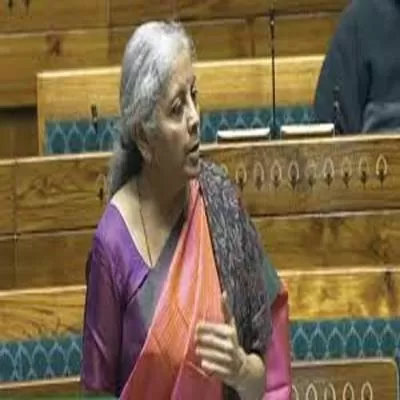
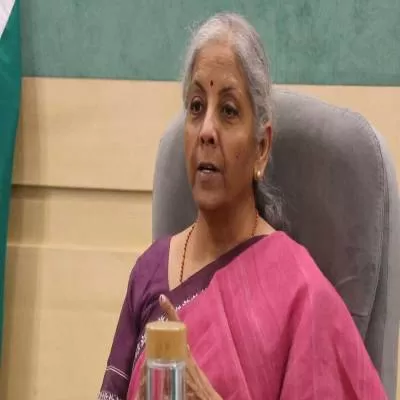
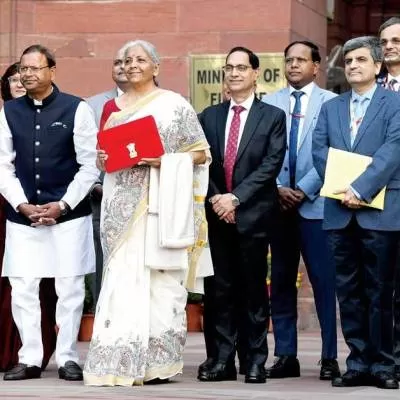
Finance Minister Nirmala Sitharaman is set to present the Union Budget for the year 2024 on July 23. This annual financial statement is anticipated to outline the government's fiscal policies, expenditure plans, and economic strategies aimed at steering India's economic growth amidst global and domestic challenges.

The upcoming budget holds significant importance as it comes at a crucial juncture when the country is navigating through post-pandemic recovery and striving to sustain economic momentum. It is expected to focus on boosting infrastructure development, enhancing healthcare facilities, stimulating industrial growth, and promoting digital transformation.

Key sectors such as agriculture, manufacturing, healthcare, education, and infrastructure are likely to receive special attention in the budget proposals. The government is expected to announce measures to address unemployment, support MSMEs (Micro, Small, and Medium Enterprises), and encourage investments to revive economic activities.

Amidst rising inflationary pressures and global economic uncertainties, stakeholders are keenly awaiting the budget's fiscal policy stance and allocation priorities. The budget session presents an opportunity for the government to reaffirm its commitment to inclusive growth and sustainable development while balancing fiscal prudence.

Finance Minister Nirmala Sitharaman's budget presentation will be closely watched by industry leaders, economists, and the general public alike for its potential impact on various sectors and overall economic trajectory. It is poised to set the tone for India's economic agenda in the coming fiscal year, aiming to propel growth and resilience amid evolving global dynamics.

Finance Minister Nirmala Sitharaman is set to present the Union Budget for the year 2024 on July 23. This annual financial statement is anticipated to outline the government's fiscal policies, expenditure plans, and economic strategies aimed at steering India's economic growth amidst global and domestic challenges. The upcoming budget holds significant importance as it comes at a crucial juncture when the country is navigating through post-pandemic recovery and striving to sustain economic momentum. It is expected to focus on boosting infrastructure development, enhancing healthcare facilities, stimulating industrial growth, and promoting digital transformation. Key sectors such as agriculture, manufacturing, healthcare, education, and infrastructure are likely to receive special attention in the budget proposals. The government is expected to announce measures to address unemployment, support MSMEs (Micro, Small, and Medium Enterprises), and encourage investments to revive economic activities. Amidst rising inflationary pressures and global economic uncertainties, stakeholders are keenly awaiting the budget's fiscal policy stance and allocation priorities. The budget session presents an opportunity for the government to reaffirm its commitment to inclusive growth and sustainable development while balancing fiscal prudence. Finance Minister Nirmala Sitharaman's budget presentation will be closely watched by industry leaders, economists, and the general public alike for its potential impact on various sectors and overall economic trajectory. It is poised to set the tone for India's economic agenda in the coming fiscal year, aiming to propel growth and resilience amid evolving global dynamics.

Next Story
Infrastructure Urban

Implementation Status of Jal Jeevan Mission

Since August 2019 the Government has implemented Jal Jeevan Mission to provide assured potable water through household tap connections in rural India. At the start of the mission only 32.3 million (mn) rural households, representing 16.7 per cent, were reported to have tap water connections. States and union territories have reported that 125.8 mn additional rural households have since been provided with tap connections. As a result, of about 193.6 mn rural households roughly 158.2 mn, or 81.71 per cent, are reported to have tap water supply at home.\n\nThe State, district and village level st..

Next Story
Infrastructure Urban

Jal Jeevan Mission Reaches Eighty One Per Cent Rural Coverage

The Government reported substantial progress under the Jal Jeevan Mission, launched in August 2019 to provide tap water to every rural household. At launch only 32.3 million (mn) rural households had tap connections and states and Union territories reported provision of 125.8 mn additional households by March 2026. Consequently, out of about 193.6 mn rural households around 158.2 mn, or 81.71 per cent, are reported to have tap water at home. The Finance Minister announced extension of the mission until 2028 in the 2025-26 budget speech. The Swachh Bharat Mission Grameen, launched in October 20..

Next Story
Infrastructure Urban

Empowering Local Governance for Sustainable Rural Water Supply

The Ministry of Jal Shakti has aligned the Jal Jeevan Mission (JJM) with the 73rd Amendment to strengthen village level planning and community ownership of water supply. Gram Panchayats, village water and sanitation committees and Pani Samitis are to plan, implement, manage and maintain piped water systems, with gram sabha processes formalising handover and oversight. Implementation support agencies including non government organisations, community based organisations and self help groups have been empanelled to train local committees and promote women participation. Under JJM, the department ..

Advertisement

Subscribe to Our Newsletter

Get daily newsletters around different themes from Construction world.

STAY CONNECTED

Advertisement

Advertisement

Advertisement