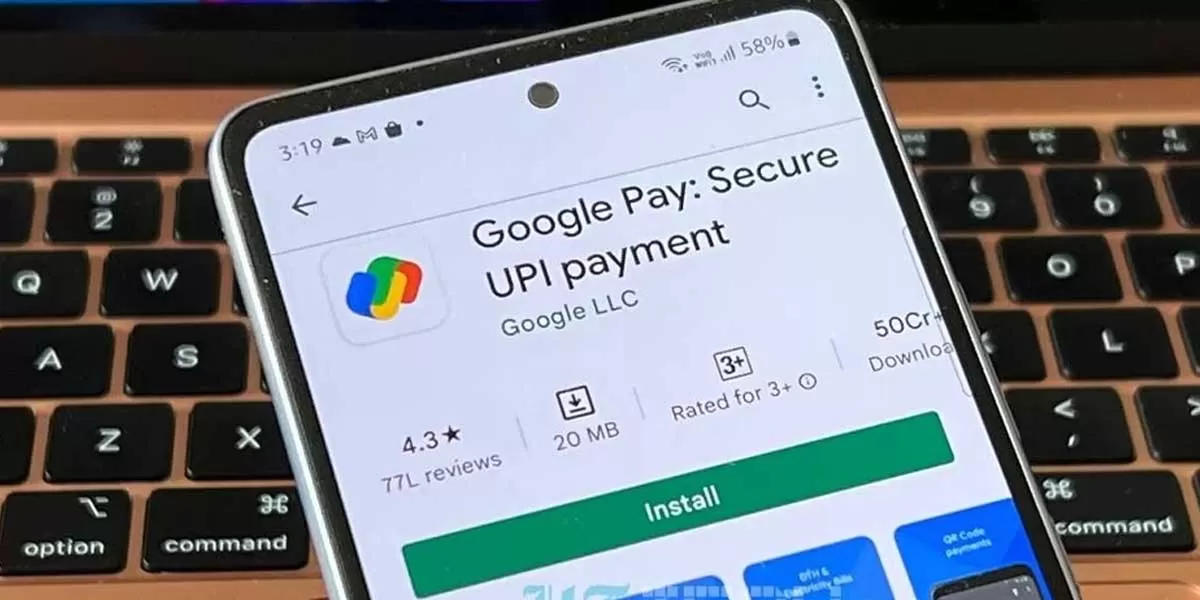
Google Pay Phases Out in US, Transitioning Users to Google Wallet
ECONOMY & POLICY

Google Pay Phases Out in US, Transitioning Users to Google Wallet

While Google has announced the discontinuation of Google Pay in the US to streamline the user experience, Indian users can be assured that the service will remain unaffected. The decision aims to simplify the app by transitioning all users to Google Wallet, which will retain popular features such as in-store tap-to-pay and payment method management. Effective June 4, 2024, the standalone Google Pay app in the US will no longer be functional.

According to a company blog post, the move comes as Google Wallet boasts a usage five times higher than Google Pay in the US. "Google Wallet continues to be the primary platform for securely storing payment cards used for tap and pay in stores, alongside other digital items like transit cards, driver's licenses, state IDs, and more," the post stated.

Despite the change, Google Pay's services in countries like India will continue without interruption. The transition is anticipated to be seamless, ensuring users can still utilise Google Pay for online transactions and in-store payments as usual. Moreover, users in India and Singapore will see no alterations, as Google remains committed to addressing the specific requirements of these regions.

Following June 4, 2024, US users will have the option to view and transfer funds to their bank accounts via the Google Pay website. However, functionalities such as sending, requesting, or receiving money from others through the US version of the Google Pay app will cease to be available as of June 4, 2022.

For those affected, the latest version of the Google Wallet app for Android can be downloaded from Google Play. At the same time, card management can also be conveniently performed on the Google Pay website.

Google Wallet offers a range of capabilities, including making payments in stores, boarding planes, using transit, storing loyalty cards, saving driver's licenses, and even starting a car via a digital key. Google highlights that over 180 countries rely on Google Pay for shopping across desktop, mobile, and in-store platforms.

While Google has announced the discontinuation of Google Pay in the US to streamline the user experience, Indian users can be assured that the service will remain unaffected. The decision aims to simplify the app by transitioning all users to Google Wallet, which will retain popular features such as in-store tap-to-pay and payment method management. Effective June 4, 2024, the standalone Google Pay app in the US will no longer be functional. According to a company blog post, the move comes as Google Wallet boasts a usage five times higher than Google Pay in the US. Google Wallet continues to be the primary platform for securely storing payment cards used for tap and pay in stores, alongside other digital items like transit cards, driver's licenses, state IDs, and more, the post stated. Despite the change, Google Pay's services in countries like India will continue without interruption. The transition is anticipated to be seamless, ensuring users can still utilise Google Pay for online transactions and in-store payments as usual. Moreover, users in India and Singapore will see no alterations, as Google remains committed to addressing the specific requirements of these regions. Following June 4, 2024, US users will have the option to view and transfer funds to their bank accounts via the Google Pay website. However, functionalities such as sending, requesting, or receiving money from others through the US version of the Google Pay app will cease to be available as of June 4, 2022. For those affected, the latest version of the Google Wallet app for Android can be downloaded from Google Play. At the same time, card management can also be conveniently performed on the Google Pay website. Google Wallet offers a range of capabilities, including making payments in stores, boarding planes, using transit, storing loyalty cards, saving driver's licenses, and even starting a car via a digital key. Google highlights that over 180 countries rely on Google Pay for shopping across desktop, mobile, and in-store platforms.

Next Story
Resources

Jyoti Structures Launches Heat Safety Drive Across Sites

Jyoti Structures (JSL) has strengthened heat safety measures across its project sites and manufacturing facilities as temperatures rise across India. The company has implemented a Summer Safety Plan covering all transmission line projects to address risks related to heat stress, dehydration and worker fatigue.The initiative includes rescheduling work away from peak afternoon temperatures, provision of drinking water, ORS and lemon-salt solutions, and installation of rest shelters near work areas. Daily toolbox talks, worker health monitoring, first-aid preparedness, emergency transport arrange..

Next Story
Real Estate

MHADA Declares 82 Buildings Most Dangerous in Central and South Mumbai

The Maharashtra Housing and Area Development Authority (MHADA) has declared 82 buildings as most dangerous across Central and South Mumbai and has appealed to residents to vacate immediately. The list, prepared after structural assessments by the authority, identifies buildings judged to pose imminent risk to occupants and to passersby. Local civic bodies have been asked to coordinate evacuations and to make arrangements for temporary shelter and rehabilitation for displaced households. Officials said the authority prioritised buildings with visible structural distress, severe cracking, tiltin..

Next Story
Infrastructure Transport

Damage Reported At Halwara Airport Terminal After First Rains

Severe damage was reported at the terminal of Halwara Airport during the first major rain spell of the season, prompting immediate concern among aviation and local authorities. Images from the site showed water ingress and visible deterioration of the terminal interior, affecting passenger areas and ancillary services. The airport authority suspended certain operations temporarily to assess structural safety and ensure passenger wellbeing. Preliminary inspections have prioritised electrical systems and roof seals to prevent further water ingress. State aviation officials ordered a formal inqui..

Advertisement

Subscribe to Our Newsletter

Get daily newsletters around different themes from Construction world.

STAY CONNECTED

Advertisement

Advertisement

Advertisement