Government Allows SEZ Units to Reclaim Undelivered Goods, Limits Relief
ECONOMY & POLICY

Government Allows SEZ Units to Reclaim Undelivered Goods, Limits Relief

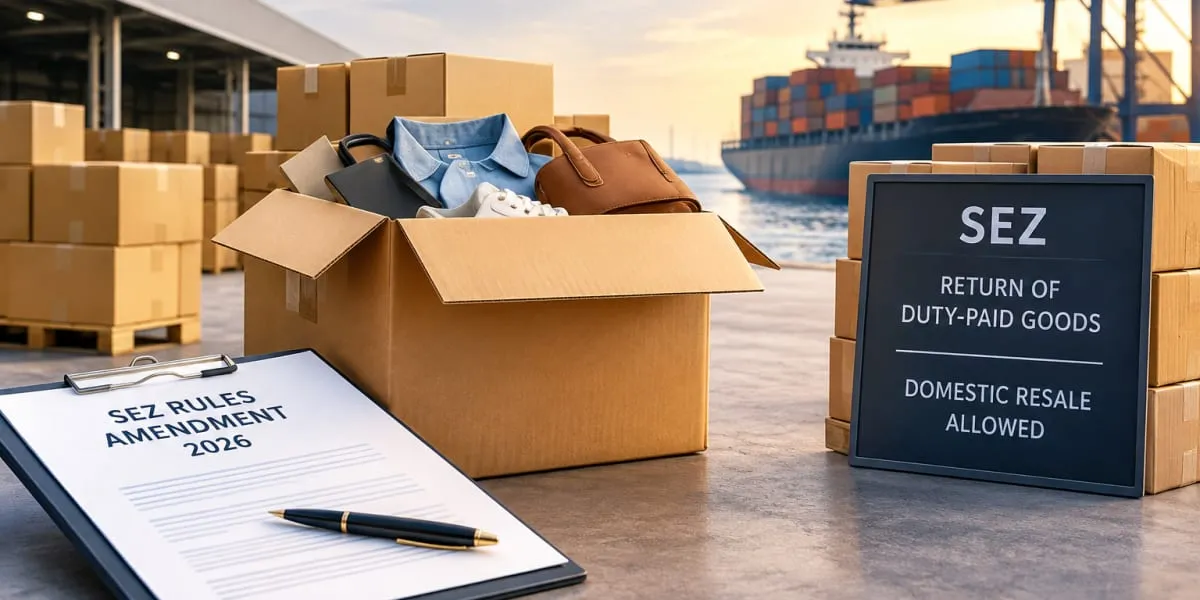
The government has amended the Special Economic Zone (SEZ) Rules, 2006, allowing SEZ units to bring back duty-paid goods that domestic buyers fail to accept under specified conditions. The revised provision also permits the units to resell the goods in the domestic market, addressing inventory accumulation caused by changes in fashion, market conditions or breaches of sale terms.

The Ministry of Commerce and Industry notified the Special Economic Zones (Third Amendment) Rules, 2026, on October 15, amending Rule 49(2). Under the new provision, goods rejected by domestic tariff area (DTA) buyers must be returned to the SEZ within 30 days of clearance. The unit must establish the identity of the returned goods to the satisfaction of the specified officer and provide evidence that the buyer has not claimed benefits such as input tax credit.

SEZ units must maintain a separate, auditable inventory of returned goods. The amendment permits them to resell the goods in their original condition to the same buyer or another DTA buyer. Such resale will be treated as a fresh domestic sale, with applicable duty payable under Section 30 of the SEZ Act.

Units may separately seek a refund of the duty paid at the time of the original clearance under Rule 47(5), with refunds governed by the Customs Act, 1962. Tax lawyer Somesh Jain of Sachdev & Jain said the change addresses a gap in the earlier rules, which explicitly allowed goods to be brought back for repairs but not when buyers declined delivery.

Jain said the relief remained narrow because it covered only specified reasons for non-acceptance and imposed a 30-day return window. Goods returned for repairs may be brought back within six months of clearance, any extension approved by the specified officer or the warranty period, whichever is later. Duty will apply to the repair value, subject to verification of the goods’ identity. He added that units would need to pay duty on resale and await a separate refund of the original duty, making refund processing time a potential working-capital concern.

The government has amended the Special Economic Zone (SEZ) Rules, 2006, allowing SEZ units to bring back duty-paid goods that domestic buyers fail to accept under specified conditions. The revised provision also permits the units to resell the goods in the domestic market, addressing inventory accumulation caused by changes in fashion, market conditions or breaches of sale terms. The Ministry of Commerce and Industry notified the Special Economic Zones (Third Amendment) Rules, 2026, on October 15, amending Rule 49(2). Under the new provision, goods rejected by domestic tariff area (DTA) buyers must be returned to the SEZ within 30 days of clearance. The unit must establish the identity of the returned goods to the satisfaction of the specified officer and provide evidence that the buyer has not claimed benefits such as input tax credit. SEZ units must maintain a separate, auditable inventory of returned goods. The amendment permits them to resell the goods in their original condition to the same buyer or another DTA buyer. Such resale will be treated as a fresh domestic sale, with applicable duty payable under Section 30 of the SEZ Act. Units may separately seek a refund of the duty paid at the time of the original clearance under Rule 47(5), with refunds governed by the Customs Act, 1962. Tax lawyer Somesh Jain of Sachdev & Jain said the change addresses a gap in the earlier rules, which explicitly allowed goods to be brought back for repairs but not when buyers declined delivery. Jain said the relief remained narrow because it covered only specified reasons for non-acceptance and imposed a 30-day return window. Goods returned for repairs may be brought back within six months of clearance, any extension approved by the specified officer or the warranty period, whichever is later. Duty will apply to the repair value, subject to verification of the goods’ identity. He added that units would need to pay duty on resale and await a separate refund of the original duty, making refund processing time a potential working-capital concern.

Related Stories

Gold Stories

Next Story
Infrastructure Urban

Welspun One unveils Diwali campaign for World Trade Center Thane

Welspun One has unveiled A Dream Diwali, a festive brand film promoting World Trade Center Thane, its proposed mixed-use development in the Mumbai Metropolitan Region (MMR). The campaign uses individual interpretations of an ideal Diwali to introduce the experiences and offerings planned at the development.The film follows different characters as they share their festive wishes and go about activities such as shopping, meeting friends, playing games and spending time with family. Through these everyday moments, the campaign presents the idea that celebrations are personal and that different ge..
Next Story
Equipment

BorgWarner secures three turbocharger contracts with global powertrain leader

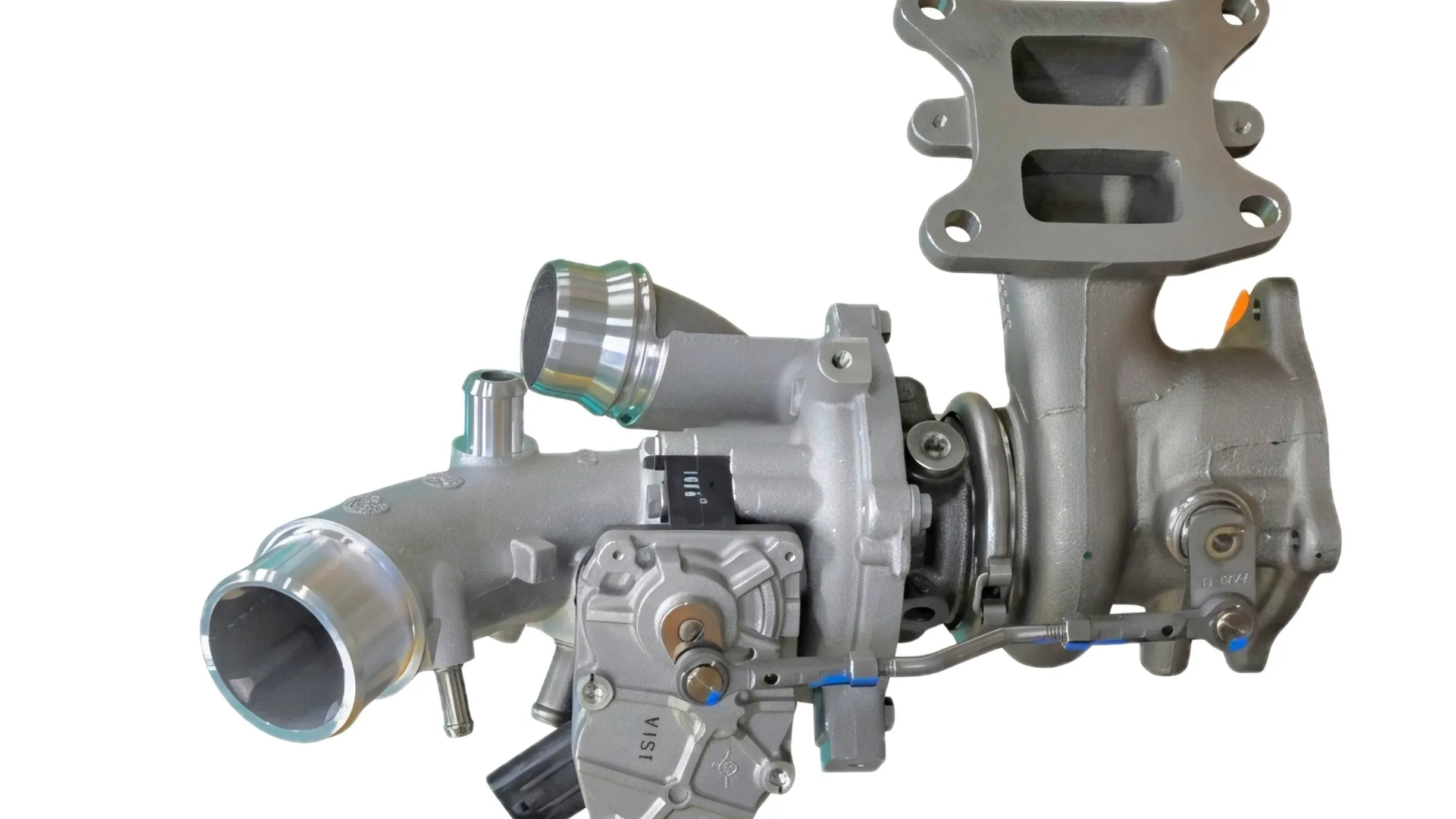
BorgWarner has secured three new turbocharger contracts with a global powertrain technology company. The wins comprise one contract for its variable turbine geometry (VTG) turbocharger and two for its wastegate turbocharger. The technologies will be deployed in the customer's light-vehicle gasoline platforms in South America and Europe, with production scheduled to begin in 2027.The VTG turbochargers are designed for gasoline engines operating under demanding conditions and high-boost pressure requirements. They are engineered to support Miller-cycle engines and withstand exhaust temperatures ..
Next Story
Infrastructure Transport

International Digi Yatra Trials Begin at Seven Airports

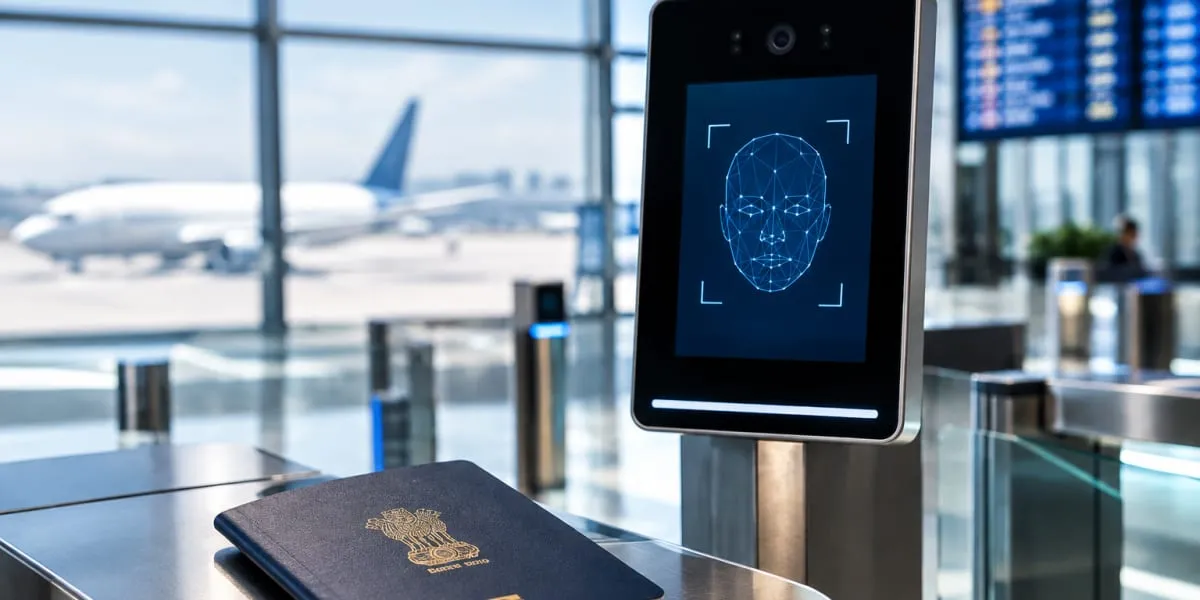
India has begun trials of Digi Yatra for international passengers at seven airports, allowing eligible Indian passport holders to use facial recognition at selected airport checkpoints. The facility is currently limited to Indian nationals with e-passports travelling on selected international flights operated by Air India and IndiGo. The Civil Aviation Ministry announced the trials on 1 November, with testing scheduled through December 2026. A wider rollout is expected in 2027 after the ministry assesses passenger feedback gathered during the trial period, according to PTI. The system is inten..

Advertisement

Subscribe to Our Newsletter

Get daily newsletters around different themes from Construction world.

STAY CONNECTED

Advertisement

SPECIAL OFFER
QR Code