Government Notifies Pricing Norms For Low-Grade Iron Ore
ECONOMY & POLICY

Government Notifies Pricing Norms For Low-Grade Iron Ore

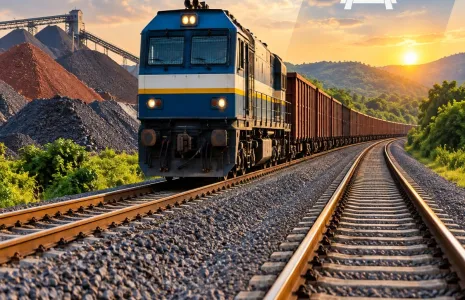
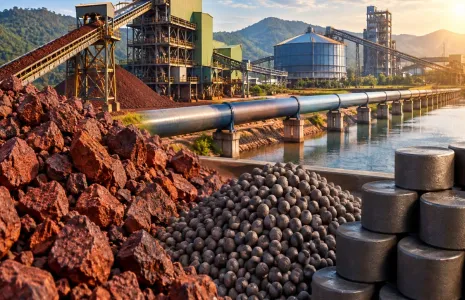
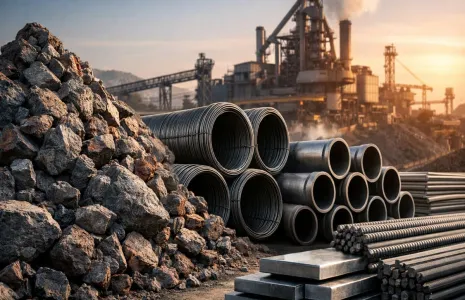
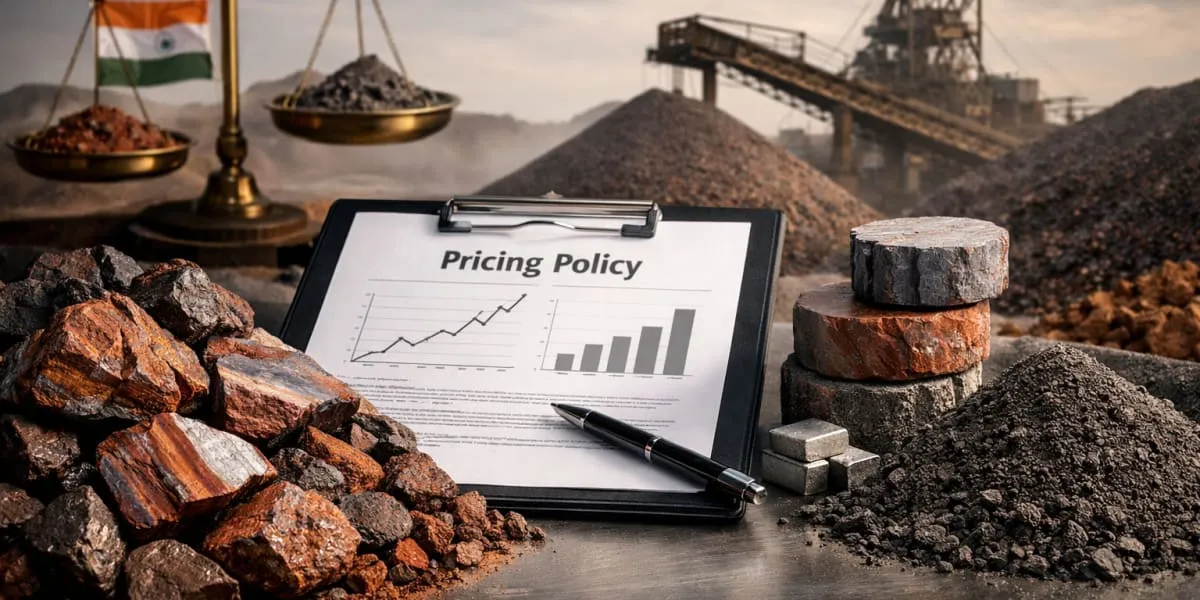
The Centre has notified a formal pricing framework for low-grade haematite iron ore, including banded haematite quartzite and banded haematite jasper, to make beneficiation viable and expand usable supply for the steel sector. The change follows an amendment to the Mineral Concession Rules notified by the Ministry of Mines on 10 April 2026. The policy aims to reduce dependence on depleting high-grade deposits and support mineral conservation.

The amendment sets out, for the first time, a methodology to determine the Average Sale Price or ASP of ore below the threshold grade of 45 per cent iron content. Previously the ASP of higher grade ore in the 45–51 per cent band was used as the benchmark for royalty and other levies, which had made beneficiation economically unviable for lower grade material. The ministry said the distinct framework should make processing commercially feasible by providing clearer pricing signals.

Under the revised rules the ASP for ore with 35–45 per cent iron content will be fixed at 75 per cent of the ASP of the 45–51 per cent grade, while ore below 35 per cent will be priced at 50 per cent of that benchmark. The change is expected to reduce royalty and premium burdens on low-grade material and to incentivise beneficiation and value addition. Officials noted that advances in beneficiation technology have increased the scope to upgrade large volumes of previously underutilised deposits into feedstock for steelmaking.

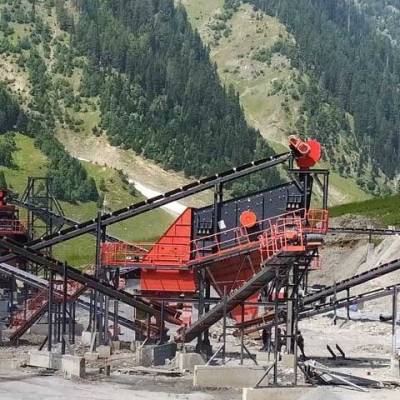
In a clarification the rules state that if processing of run-of-mine material results in a decrease in economic value then royalty will be chargeable on lumps and fines after initial screening of unprocessed run-of-mine. The term run-of-mine refers to raw unprocessed material obtained after blasting or digging from a lease area and such material is required to be processed to increase mineral concentration and remove impurities. The amendment clarifies that economic value cannot be lowered in the name of processing and that the framework aligns with efforts to ensure a steady supply of raw materials to the steel industry.

The Centre has notified a formal pricing framework for low-grade haematite iron ore, including banded haematite quartzite and banded haematite jasper, to make beneficiation viable and expand usable supply for the steel sector. The change follows an amendment to the Mineral Concession Rules notified by the Ministry of Mines on 10 April 2026. The policy aims to reduce dependence on depleting high-grade deposits and support mineral conservation. The amendment sets out, for the first time, a methodology to determine the Average Sale Price or ASP of ore below the threshold grade of 45 per cent iron content. Previously the ASP of higher grade ore in the 45–51 per cent band was used as the benchmark for royalty and other levies, which had made beneficiation economically unviable for lower grade material. The ministry said the distinct framework should make processing commercially feasible by providing clearer pricing signals. Under the revised rules the ASP for ore with 35–45 per cent iron content will be fixed at 75 per cent of the ASP of the 45–51 per cent grade, while ore below 35 per cent will be priced at 50 per cent of that benchmark. The change is expected to reduce royalty and premium burdens on low-grade material and to incentivise beneficiation and value addition. Officials noted that advances in beneficiation technology have increased the scope to upgrade large volumes of previously underutilised deposits into feedstock for steelmaking. In a clarification the rules state that if processing of run-of-mine material results in a decrease in economic value then royalty will be chargeable on lumps and fines after initial screening of unprocessed run-of-mine. The term run-of-mine refers to raw unprocessed material obtained after blasting or digging from a lease area and such material is required to be processed to increase mineral concentration and remove impurities. The amendment clarifies that economic value cannot be lowered in the name of processing and that the framework aligns with efforts to ensure a steady supply of raw materials to the steel industry.

Next Story
Infrastructure Urban

Panasonic Showcases Connected Display Solutions

Panasonic Life Solutions India showcased its integrated display, projection, broadcast and communication technologies at Panasonic Tech Summit 2026 in New Delhi. Hosted through its System Solutions Division, the two-day event highlighted connected technology solutions for education, healthcare, retail, transportation, corporate offices and entertainment.The summit, themed ‘Turning Technology into Value’, featured experience-led zones covering QSR, retail, transit, corporate offices, healthcare, education, security, projection, home theatre and professional displays. Panasonic also introduc..

Next Story
Infrastructure Transport

Kapsch to Deliver India’s First C-ITS Project

"Kapsch TrafficCom will deliver India’s first Cooperative Intelligent Transport Systems project on a key expressway near New Delhi. The project will be implemented with Superwave Communication And Infrasolution Limited to demonstrate how connected mobility can improve road safety and traffic efficiency.The pilot will use real-time connectivity and AI-enabled situational awareness to support road users, especially in high-risk areas such as temporary work zones. Drivers will receive alerts on roadworks, maintenance vehicles, hazardous locations, traffic queues and temporary virtual signage di..

Next Story
Infrastructure Urban

Eurobond Net Profit Rises 44 Per Cent

Euro Panel Products, the parent company of Eurobond, reported a 44.13 per cent year-on-year rise in net profit for FY25–26. The company’s revenue from operations grew 18.91 per cent to Rs 503.20 crore, compared to Rs 423.18 crore in the previous financial year.The company’s full-year EBITDA stood at Rs 56.67 crore, marking a 31.82 per cent increase. Profit after tax rose to Rs 26.56 crore, while net worth increased 20.15 per cent to Rs 160.07 crore. Earnings per share for the year stood at Rs 10.84.Divyam Rajesh Shah, Whole Time Director and CFO, Euro Panel Products, said the company’s..

Advertisement

Subscribe to Our Newsletter

Get daily newsletters around different themes from Construction world.

STAY CONNECTED

Advertisement

Advertisement

Advertisement

-->