
+
Hindustan Zinc Restores 1,105 Hectares of Land
ECONOMY & POLICY

Hindustan Zinc Restores 1,105 Hectares of Land

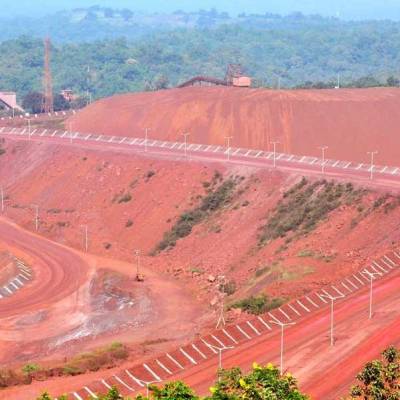
Hindustan Zinc has restored 1,105 hectares of land as part of its efforts to integrate ecological restoration with responsible mining. The rehabilitated area, equivalent to more than 1,500 football fields, covers mining and operational landscapes restored through reclamation, plantation, biodiversity enhancement and sustainable land-use practices.
The initiatives form part of Hindustan Zinc’s Sustainability Goals 2030 and its broader efforts to create long-term ecological value alongside business growth.
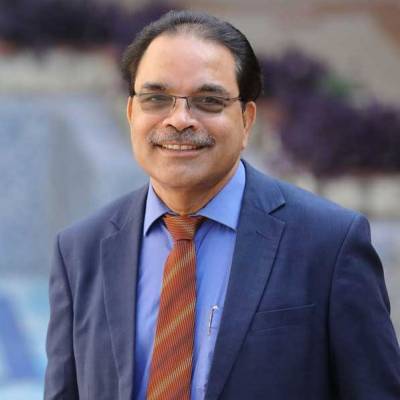
“The future of mining will increasingly be defined not only by the resources we produce, but by how responsibly we manage the natural resources entrusted to us. At Hindustan Zinc, rehabilitation, water stewardship and decarbonisation are integral to the way we operate and grow. As we scale our business, our focus is to ensure that growth and environmental responsibility move together, backed by measurable outcomes, technology and long-term action,” said Amarendu Prakash, CEO, Hindustan Zinc.
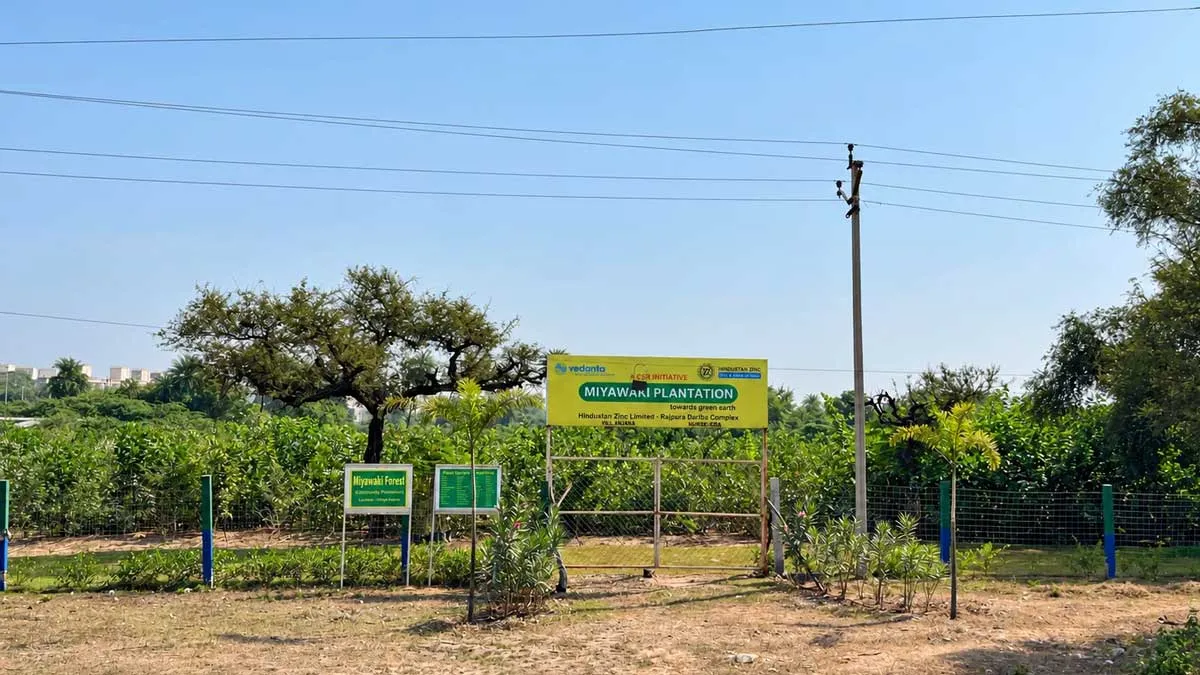
The company has planted 8.5 lakh saplings since 2020 through FY2026, including 1.14 lakh during FY26. It has developed Miyawaki plantations across Rajpura Dariba, Chanderiya, Debari and Kayad, while its Green Zawar initiative extends afforestation and environmental awareness to surrounding communities.
Hindustan Zinc has also partnered with TERI for a 250-hectare ecological restoration project, including rehabilitation of a 22.5-hectare Jarofix yard and natural forest development at its Chanderiya Lead-Zinc Smelter Complex in Rajasthan.
Water stewardship remains another focus area. Hindustan Zinc is certified 3.32x Water Positive, up from 2.41x, and follows Zero Liquid Discharge practices across its operations. More than 30 per cent of its water requirement is met through treated sewage. The company aims to reduce freshwater consumption by 50 per cent from its 2020 baseline and source 100 per cent low-quality water for smelting operations.
Renewable power accounted for around 18 per cent of its energy mix in FY26. Hindustan Zinc aims to increase this to 70 per cent by FY28, supported by a 530 MW renewable Power Delivery Agreement. Its climate roadmap targets a 50 per cent reduction in Scope 1 and 2 emissions and a 25 per cent reduction in Scope 3 emissions by 2030 from a 2020 baseline.
The company is working towards Net Zero emissions by 2050 or sooner and has launched EcoZen, a low-carbon zinc product with a 75 per cent lower carbon footprint compared with the global average.

Hindustan Zinc has restored 1,105 hectares of land as part of its efforts to integrate ecological restoration with responsible mining. The rehabilitated area, equivalent to more than 1,500 football fields, covers mining and operational landscapes restored through reclamation, plantation, biodiversity enhancement and sustainable land-use practices.The initiatives form part of Hindustan Zinc’s Sustainability Goals 2030 and its broader efforts to create long-term ecological value alongside business growth.“The future of mining will increasingly be defined not only by the resources we produce, but by how responsibly we manage the natural resources entrusted to us. At Hindustan Zinc, rehabilitation, water stewardship and decarbonisation are integral to the way we operate and grow. As we scale our business, our focus is to ensure that growth and environmental responsibility move together, backed by measurable outcomes, technology and long-term action,” said Amarendu Prakash, CEO, Hindustan Zinc.The company has planted 8.5 lakh saplings since 2020 through FY2026, including 1.14 lakh during FY26. It has developed Miyawaki plantations across Rajpura Dariba, Chanderiya, Debari and Kayad, while its Green Zawar initiative extends afforestation and environmental awareness to surrounding communities.Hindustan Zinc has also partnered with TERI for a 250-hectare ecological restoration project, including rehabilitation of a 22.5-hectare Jarofix yard and natural forest development at its Chanderiya Lead-Zinc Smelter Complex in Rajasthan.Water stewardship remains another focus area. Hindustan Zinc is certified 3.32x Water Positive, up from 2.41x, and follows Zero Liquid Discharge practices across its operations. More than 30 per cent of its water requirement is met through treated sewage. The company aims to reduce freshwater consumption by 50 per cent from its 2020 baseline and source 100 per cent low-quality water for smelting operations.Renewable power accounted for around 18 per cent of its energy mix in FY26. Hindustan Zinc aims to increase this to 70 per cent by FY28, supported by a 530 MW renewable Power Delivery Agreement. Its climate roadmap targets a 50 per cent reduction in Scope 1 and 2 emissions and a 25 per cent reduction in Scope 3 emissions by 2030 from a 2020 baseline.The company is working towards Net Zero emissions by 2050 or sooner and has launched EcoZen, a low-carbon zinc product with a 75 per cent lower carbon footprint compared with the global average.

Related Stories

Gold Stories
Next Story
Infrastructure Urban

MOVIN Boosts Express Capacity Ahead of Festive Demand

MOVIN, the logistics brand launched as a joint venture between UPS and InterGlobe Enterprises, has strengthened its Express network with additional capacity to support businesses during the festive-season surge in shipment volumes.The company has secured commercial air capacity across high-demand domestic airport nodes and reinforced key surface corridors with additional fleet and line-haul resources. The measures are aimed at absorbing sudden increases in shipment volumes without capacity becoming a bottleneck.Technology is also being used to optimise network capacity. Load optimisation impro..

Next Story
Infrastructure Urban

ASSOCHAM Names Anshul Singhal Warehousing Task Force Chairman

The Associated Chambers of Commerce and Industry of India (ASSOCHAM) has appointed Anshul Singhal as Chairman of its Task Force on Warehousing. Singhal also chairs ASSOCHAM’s National Council for Logistics and Warehousing.The appointment comes as India’s warehousing sector continues to expand, driven by growing demand for organised logistics and industrial infrastructure. Singhal has spent more than a decade in the logistics and industrial real estate sector, focusing on developing institutional-grade warehousing assets.“India’s warehousing sector is entering a phase where scale must b..

Next Story
Infrastructure Urban

Limitation of Liability in Construction Contracts

Limitation of liability provisions are essential instruments of commercial risk allocation in large-scale construction, engineering and infrastructure projects. Such projects involve substantial financial exposure arising from delay, defective workmanship, design failures, disruption, third-party claims, loss of revenue and loss of profit. Parties, therefore, commonly negotiate contractual provisions that determine, in advance, the extent of their potential liability. These may take the form of an aggregate monetary cap, exclusions of specified categories of loss, claim-specific limits or expr..

Advertisement

Subscribe to Our Newsletter

Get daily newsletters around different themes from Construction world.

STAY CONNECTED

Advertisement

SPECIAL OFFER
QR Code