Honda Tests Zero Alpha in India as Rs 12 Billion EV Push Gathers Pace
ECONOMY & POLICY

Honda Tests Zero Alpha in India as Rs 12 Billion EV Push Gathers Pace

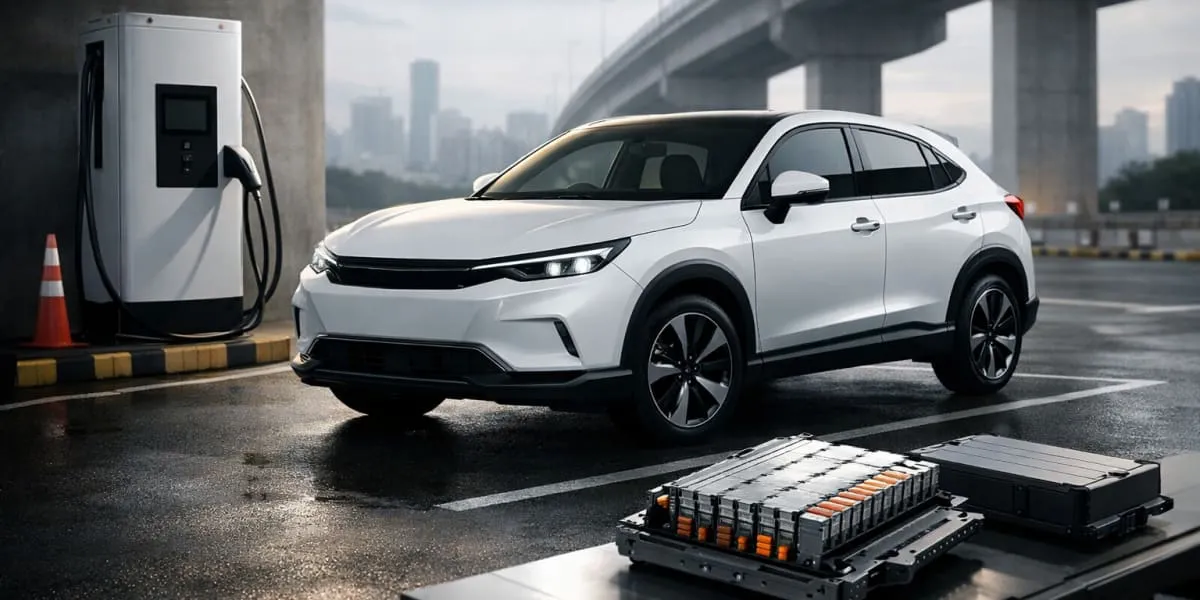
Honda has begun testing the Zero Alpha electric vehicle in India as part of an expanded electrification strategy. The move forms part of an investment of Rs 12 billion (bn) announced for electric vehicles and associated infrastructure. The company indicated that trials are intended to assess local operating conditions and adapt the vehicle to domestic needs. The trials will cover urban and peri-urban conditions to evaluate real world performance.

The Rs 12 bn plan covers development work, battery integration and measures to strengthen the supply chain, with a focus on scaling manufacturing and aftersales support. Local testing is expected to inform component sourcing decisions and production readiness without altering the headline investment. Executives described the programme as a step to accelerate the transition towards battery electric vehicles in the Indian market. The company will also engage with suppliers to build local capacity and reduce lead times.

The initiative comes as manufacturers increase their commitments to electrification and as policy incentives and consumer interest shift demand patterns. Market observers view in-country trials as critical to establishing charging networks and addressing range and performance expectations in varied operating environments. The company will likely use data from the tests to refine software, battery management and service protocols ahead of any commercial introduction. Data collection will prioritise durability under different temperature and traffic conditions to ensure reliability.

Observers expect the testing phase to influence launch timing and positioning but noted that broader uptake will depend on infrastructure expansion and cost competitiveness. The investment is part of a wider trend among global automakers to localise electric mobility solutions in India and to align product offers with regional preferences. Honda will continue field tests while monitoring market feedback and regulatory developments. Stakeholders say coordination with policymakers and utilities will be important to realise the investment's potential.

Honda has begun testing the Zero Alpha electric vehicle in India as part of an expanded electrification strategy. The move forms part of an investment of Rs 12 billion (bn) announced for electric vehicles and associated infrastructure. The company indicated that trials are intended to assess local operating conditions and adapt the vehicle to domestic needs. The trials will cover urban and peri-urban conditions to evaluate real world performance. The Rs 12 bn plan covers development work, battery integration and measures to strengthen the supply chain, with a focus on scaling manufacturing and aftersales support. Local testing is expected to inform component sourcing decisions and production readiness without altering the headline investment. Executives described the programme as a step to accelerate the transition towards battery electric vehicles in the Indian market. The company will also engage with suppliers to build local capacity and reduce lead times. The initiative comes as manufacturers increase their commitments to electrification and as policy incentives and consumer interest shift demand patterns. Market observers view in-country trials as critical to establishing charging networks and addressing range and performance expectations in varied operating environments. The company will likely use data from the tests to refine software, battery management and service protocols ahead of any commercial introduction. Data collection will prioritise durability under different temperature and traffic conditions to ensure reliability. Observers expect the testing phase to influence launch timing and positioning but noted that broader uptake will depend on infrastructure expansion and cost competitiveness. The investment is part of a wider trend among global automakers to localise electric mobility solutions in India and to align product offers with regional preferences. Honda will continue field tests while monitoring market feedback and regulatory developments. Stakeholders say coordination with policymakers and utilities will be important to realise the investment's potential.

Next Story
Infrastructure Urban

Coal Minister Inaugurates Projects and Reviews WCL in Nagpur

G. Kishan Reddy, Coal Minister, inaugurated several key infrastructure projects and reviewed operations of Western Coalfields Limited (WCL) at a programme in Nagpur. The minister opened new facilities aimed at strengthening production capacity and logistics and undertook a comprehensive review of mining, transportation and safety arrangements. He assessed project readiness and operational planning with senior WCL officials and emphasised the need for timely completion and strict adherence to statutory norms. During the visit the minister inspected mining works, mechanisation initiatives, pithe..

Next Story
Infrastructure Transport

Modi To Inaugurate Redeveloped Kakinada Railway Station

Prime Minister Narendra Modi is scheduled to inaugurate the redeveloped Kakinada railway station in Andhra Pradesh on March 31. The ceremony will mark the completion of a redevelopment initiative intended to upgrade the station's infrastructure and services. The event will be presented as a milestone in efforts to modernise regional rail facilities. The redevelopment focuses on improved passenger amenities, enhanced accessibility and better circulation within the station complex. Upgrades are reported to encompass modernised waiting areas, upgraded sanitation facilities and signage, and measur..

Next Story
Infrastructure Energy

Kerala Able to Meet Peak Electricity Demand, Minister Says

Kerala will be able to meet peak electricity demand and there will be no power cuts, the state energy minister Krishnankutty has said. He provided assurance that supply arrangements and operational measures are in place to handle peak loads and to maintain stability across the grid. The statement followed routine assessments by the state electricity department and other agencies tasked with monitoring system health and reserve margins. The minister indicated that the administration has intensified monitoring of demand patterns and generation output to pre-empt stress on the network. He said co..

Advertisement

Subscribe to Our Newsletter

Get daily newsletters around different themes from Construction world.

STAY CONNECTED

Advertisement

Advertisement

Advertisement