



India Aims To Become Global Drone Manufacturing Hub
ECONOMY & POLICY

India Aims To Become Global Drone Manufacturing Hub

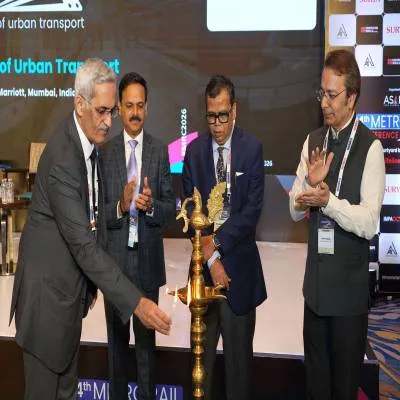
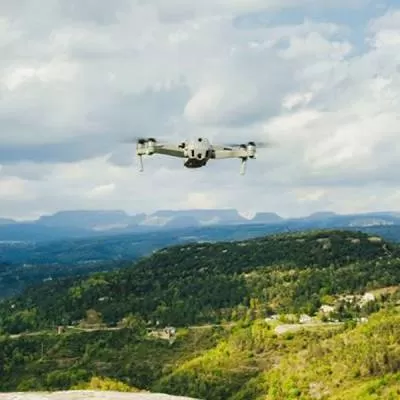
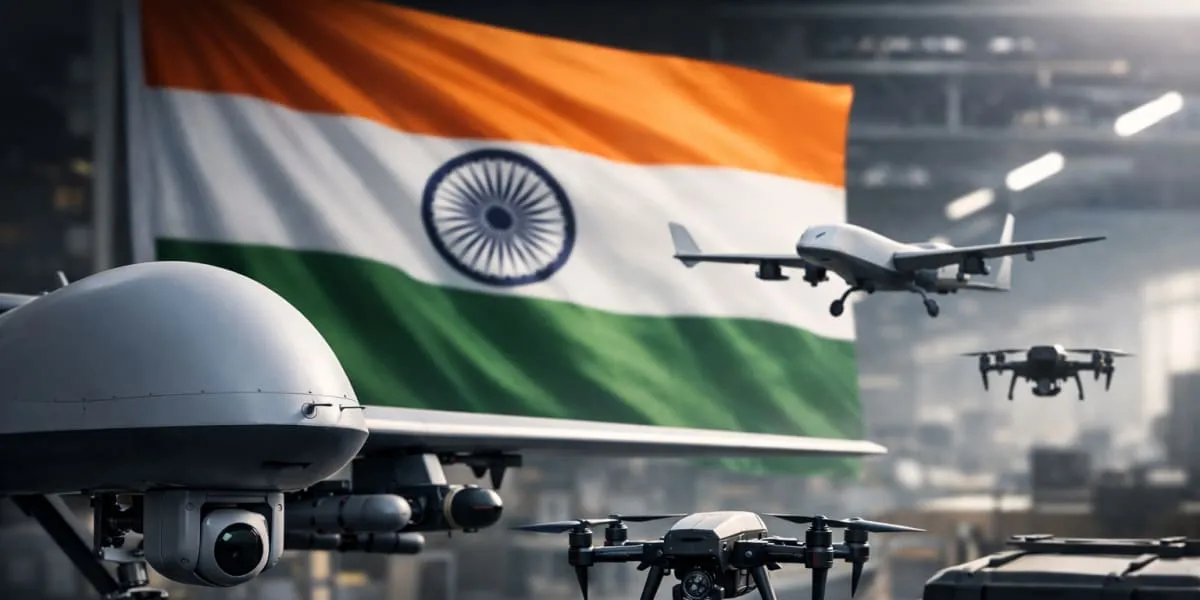
Raksha Mantri Rajnath Singh said that India must work in a mission mode to emerge as a global hub of indigenous drone manufacturing in the next few years, urging the creation of a domestic production ecosystem to secure strategic autonomy and bolster defence preparedness amid geopolitical instability. He addressed Micro, Small and Medium Enterprises (MSMEs), start-ups, innovators, Defence Public Sector Undertakings (DPSUs) and private defence companies at the National Defence Industries Conclave in New Delhi on March 19, 2026. The two-day conclave focused on advanced manufacturing technologies and the role of small industries in the defence supply chain.

He emphasised that self-reliance must extend to components as well as finished systems and that items from moulds to software, engines and batteries should be sourced locally because many critical parts are currently imported from China. The Raksha Mantri called for coordinated policy support and active participation from the private sector while offering full government backing for efforts to build indigenous capacity. The initiative aims to convert strategic intent into manufacturing outcomes.

As part of the inauguration he launched the 14th Defence India Start-up Challenge and the 4th ADITI challenges under the Innovations for Defence Excellence (iDEX) framework and unveiled a new set of 107 problem statements including 82 under DISC-14 and 25 under ADITI Challenges 4.0 from the Defence Forces, Indian Coast Guard and Defence Space Agency. A parallel initiative introduced 101 innovation challenges from DPSUs to promote design led innovation, mentorship and potential integration of winners into DPSU supply chains. DPSUs will fund selected projects and provide testing facilities.

The Raksha Mantri highlighted the progress of iDEX since its inception in 2018, noting that approximately 676 start-ups, MSMEs and individual innovators have joined the defence innovation ecosystem, with 548 contracts signed and 566 challenges launched. He stated that 58 prototypes have received clearance for procurement valued at around Rs 38,530 million (mn) and that 45 procurement contracts have been signed worth nearly Rs 23,260 mn. These developments were presented as evidence that innovation is translating into tangible products and technologies.

He outlined the technological priorities for MSMEs, saying they are increasingly engaged in Artificial Intelligence, Robotics, Automation, Additive Manufacturing and related tools such as Digital Twins and advanced simulation to improve decision making and design processes. He urged horizontal integration among diverse small industries and vertical integration with large firms to foster skills and adoption of Industry 4.0 practices. The objective is to build a robust national innovation ecosystem.

The Government has proposed a three-pronged approach in the Union Budget to provide Equity, Liquidity and Professional support to promote Champion MSMEs and boost competitiveness in domestic and international markets. Digital platforms such as the Udyam Portal and Udyam Assist have been launched to formalise small industries and extend scheme benefits, and the number of MSMEs was cited as about 46.7 mn in 2012-13 rising to nearly 80 mn in recent data. An exhibition and publications were inaugurated and senior defence leaders attended the conclave.

Raksha Mantri Rajnath Singh said that India must work in a mission mode to emerge as a global hub of indigenous drone manufacturing in the next few years, urging the creation of a domestic production ecosystem to secure strategic autonomy and bolster defence preparedness amid geopolitical instability. He addressed Micro, Small and Medium Enterprises (MSMEs), start-ups, innovators, Defence Public Sector Undertakings (DPSUs) and private defence companies at the National Defence Industries Conclave in New Delhi on March 19, 2026. The two-day conclave focused on advanced manufacturing technologies and the role of small industries in the defence supply chain. He emphasised that self-reliance must extend to components as well as finished systems and that items from moulds to software, engines and batteries should be sourced locally because many critical parts are currently imported from China. The Raksha Mantri called for coordinated policy support and active participation from the private sector while offering full government backing for efforts to build indigenous capacity. The initiative aims to convert strategic intent into manufacturing outcomes. As part of the inauguration he launched the 14th Defence India Start-up Challenge and the 4th ADITI challenges under the Innovations for Defence Excellence (iDEX) framework and unveiled a new set of 107 problem statements including 82 under DISC-14 and 25 under ADITI Challenges 4.0 from the Defence Forces, Indian Coast Guard and Defence Space Agency. A parallel initiative introduced 101 innovation challenges from DPSUs to promote design led innovation, mentorship and potential integration of winners into DPSU supply chains. DPSUs will fund selected projects and provide testing facilities. The Raksha Mantri highlighted the progress of iDEX since its inception in 2018, noting that approximately 676 start-ups, MSMEs and individual innovators have joined the defence innovation ecosystem, with 548 contracts signed and 566 challenges launched. He stated that 58 prototypes have received clearance for procurement valued at around Rs 38,530 million (mn) and that 45 procurement contracts have been signed worth nearly Rs 23,260 mn. These developments were presented as evidence that innovation is translating into tangible products and technologies. He outlined the technological priorities for MSMEs, saying they are increasingly engaged in Artificial Intelligence, Robotics, Automation, Additive Manufacturing and related tools such as Digital Twins and advanced simulation to improve decision making and design processes. He urged horizontal integration among diverse small industries and vertical integration with large firms to foster skills and adoption of Industry 4.0 practices. The objective is to build a robust national innovation ecosystem. The Government has proposed a three-pronged approach in the Union Budget to provide Equity, Liquidity and Professional support to promote Champion MSMEs and boost competitiveness in domestic and international markets. Digital platforms such as the Udyam Portal and Udyam Assist have been launched to formalise small industries and extend scheme benefits, and the number of MSMEs was cited as about 46.7 mn in 2012-13 rising to nearly 80 mn in recent data. An exhibition and publications were inaugurated and senior defence leaders attended the conclave.

Next Story
Infrastructure Urban

Lemon Tree Hotels Signs Resort In Lonavala Maharashtra

Lemon Tree Hotels Limited (LTHL) has signed a licence agreement for Lemon Tree Resort in Lonavala, Maharashtra, with the asset to be managed by Carnation Hotels Private Limited, a wholly owned subsidiary of LTHL. The resort will offer 50 well appointed rooms and will include a restaurant, banquet, meeting room, swimming pool, spa and fitness centre. The company described the addition as part of its strategy to expand branded resort offerings in key getaway destinations. Lonavala, located in the Sahyadri hills, is a popular leisure destination in western India known for scenic landscapes and a ..

Next Story
Infrastructure Urban

Kalai Chettinad Art And Architecture Festival At The Lotus Palace

The Lotus Palace Chettinad will host Kalai, the Chettinad Art and Architecture Festival, a four-day, three-night immersive celebration of the artistic legacy of Chettinad from three to six April 2026. The event has been organised by Apeejay Surrendra Park Hotels Limited (ASPHL) and will take place across restored heritage properties in Chettinad. It will be designed to offer guests a layered experience of place, structure and story that connects art, architecture and living traditions. The festival aims to present a confluence of global influences and local aesthetics. Kalai has been curated i..

Next Story
Infrastructure Energy

SJVN Reaches One bn Units At 1,000 MW Bikaner Solar Project

SJVN Limited (SJVN) has reached a milestone with its 1,000 megawatt (MW) Bikaner Solar Power Project by generating one bn units of electricity on 20 March 2026. The achievement underscores the company's role in supplying clean and sustainable energy to the national grid. The generation milestone was recorded within months of the project commencing operations and highlights rapid performance from the new facility. The Bikaner project, located in Bikaner district of Rajasthan, has been developed and implemented by SJVN Green Energy Limited (SGEL) under the Central Public Sector Undertaking Schem..

Advertisement

Subscribe to Our Newsletter

Get daily newsletters around different themes from Construction world.

STAY CONNECTED

Advertisement

Advertisement

Advertisement