India Can Cater To 300 mn PNG Connections With Domestic LNG
ECONOMY & POLICY

India Can Cater To 300 mn PNG Connections With Domestic LNG

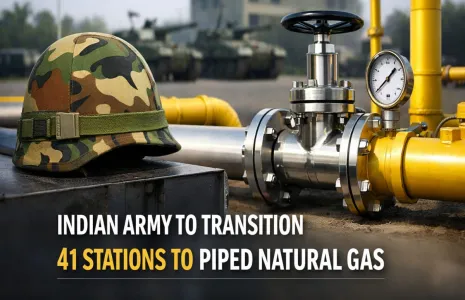
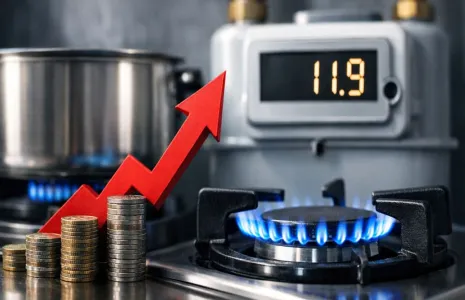
The Secretary of the Petroleum and Natural Gas Regulatory Board (PNGRB) said India could cater to as many as 300 mn domestic piped natural gas (PNG) connections using domestic production of liquefied natural gas alone. He noted that the country currently has about 11-12 mn active domestic PNG connections which together consume three million metric standard cubic metres per day. India’s present production of natural gas stands at 90 million metric standard cubic metres per day, which would permit a substantial scale up of connections if prioritised for domestic supply. The official indicated that even modest expansion targets would remain within domestic capacity.

The PNGRB and the Ministry of Petroleum and Natural Gas are seeking to accelerate the rollout and reactivation of connections with the aim of easing pressure on liquefied petroleum gas supplies amid tensions in West Asia. Authorities are pursuing a target of 20,000 connections every day and are attempting to raise the current run rate of around 8,000-9,000 connections per day. Municipal corporations and other agencies have been asked to process permissions on a war footing to support rapid expansion.

A gazette notification dated March 24 introduced norms designed to address structural delays in approvals and to improve access to land, including provisions for deemed approvals to cut procedural lead times. City gas distributors have capital expenditure (capex) ready and were previously constrained by permission bottlenecks, which the regulators now seek to remove. The regulator assessed that faster deployment would improve project economics because higher connection counts would generate additional revenue and enable further investment.

Officials presented the accelerated push as part of an incentivised transition to piped gas intended to reduce reliance on cylinders and stabilise domestic energy supplies. The drive focuses on expediting pipeline expansion, reactivating dormant connections and ensuring that required permissions and coordination are streamlined. The anticipated outcome is a materially faster uptake of piped gas and a reduction in strain on liquefied petroleum gas distribution.

The Secretary of the Petroleum and Natural Gas Regulatory Board (PNGRB) said India could cater to as many as 300 mn domestic piped natural gas (PNG) connections using domestic production of liquefied natural gas alone. He noted that the country currently has about 11-12 mn active domestic PNG connections which together consume three million metric standard cubic metres per day. India’s present production of natural gas stands at 90 million metric standard cubic metres per day, which would permit a substantial scale up of connections if prioritised for domestic supply. The official indicated that even modest expansion targets would remain within domestic capacity. The PNGRB and the Ministry of Petroleum and Natural Gas are seeking to accelerate the rollout and reactivation of connections with the aim of easing pressure on liquefied petroleum gas supplies amid tensions in West Asia. Authorities are pursuing a target of 20,000 connections every day and are attempting to raise the current run rate of around 8,000-9,000 connections per day. Municipal corporations and other agencies have been asked to process permissions on a war footing to support rapid expansion. A gazette notification dated March 24 introduced norms designed to address structural delays in approvals and to improve access to land, including provisions for deemed approvals to cut procedural lead times. City gas distributors have capital expenditure (capex) ready and were previously constrained by permission bottlenecks, which the regulators now seek to remove. The regulator assessed that faster deployment would improve project economics because higher connection counts would generate additional revenue and enable further investment. Officials presented the accelerated push as part of an incentivised transition to piped gas intended to reduce reliance on cylinders and stabilise domestic energy supplies. The drive focuses on expediting pipeline expansion, reactivating dormant connections and ensuring that required permissions and coordination are streamlined. The anticipated outcome is a materially faster uptake of piped gas and a reduction in strain on liquefied petroleum gas distribution.

Next Story
Infrastructure Transport

Large Format Store Planned At M G Road Metro Station

M G Road station in Bengaluru is set to host the city’s first large-format commercial and experience space, with planning led by Bangalore Metro Rail Corporation Limited. BMRCL has invited proposals to develop and operate a central business district destination at the Purple?Pink Line interchange. The plan positions the station as a commercial hub designed to serve a broad commuter base across the city. The proposal is part of a broader effort to activate transit nodes commercially. Tender documents set a minimum monthly rental of Rs 0.944 million (mn), inclusive of GST, for the large-format..

Next Story
Infrastructure Energy

Government Cancels Auction Of Eleven Critical Mineral Blocks

The government has cancelled the auction of 11 critical and strategic mineral blocks after receiving a poor investor response and failing to attract a sufficient number of qualified bidders. The decision represents a setback to plans to ramp up domestic exploration and production of critical minerals amid global supply chain disruptions and rising demand for materials used in clean energy and advanced technologies. The mines ministry issued an annulment notice setting out the reasons for the cancellations. The annulment notice indicated that the auction process for five mineral blocks was canc..

Next Story
Infrastructure Energy

Gujarat Pushes Biogas Growth With 193 Operational Units

Gujarat has operationalised 193 biogas plants across the state and is planning to add 60 more units as part of a broader push to scale up clean and sustainable energy solutions. The existing plants, established under various government-supported schemes, process organic waste including cattle dung and agricultural residue to produce biogas and a nutrient-rich slurry. The output is mainly used for cooking and other energy needs in rural and semi-urban communities, while also improving local waste management practices. The Gujarat Energy Development Agency (GEDA) is leading the initiative and is..

Advertisement

Subscribe to Our Newsletter

Get daily newsletters around different themes from Construction world.

STAY CONNECTED

Advertisement

Advertisement

Advertisement