



JSW Group to Acquire 35% Stake in MG Motor India
ECONOMY & POLICY

JSW Group to Acquire 35% Stake in MG Motor India

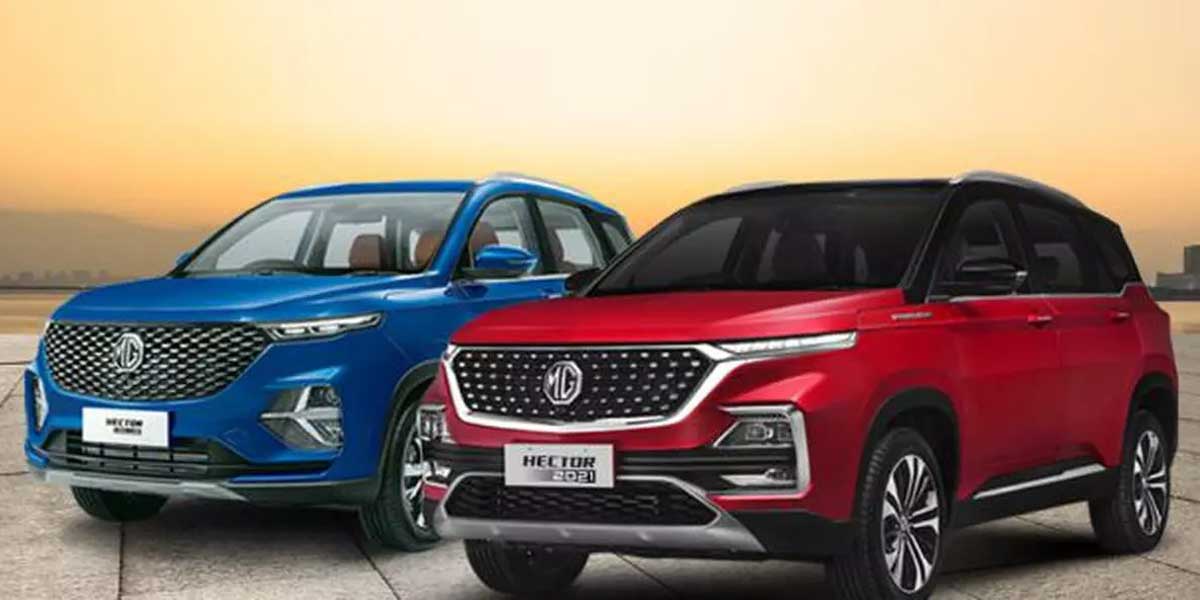
The goal of JSW Group's pursuit of a share acquisition in MG Motor India is to provide an electric vehicle that is especially suited for the Indian market. A fully owned subsidiary of Shanghai-based SAIC Motor is MG Motor India. This agreement will probably be officially announced by Diwali.

More crucially, the action emphasizes the transition toward sustainable and environmentally friendly transportation options by highlighting the growing interest in and investments in the Indian electric vehicle market.

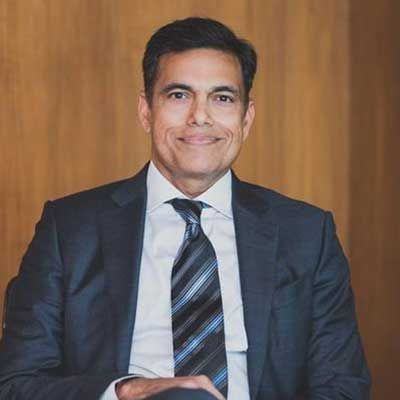
Electric vehicle (EV) localization in India is a top priority for the $23 billion industrial powerhouse headed by Sajjan Jindal. By January 2024, the new corporate partnership hopes to introduce EVs. This is in line with the general movement to encourage domestic manufacturing and the use of EVs, contributing to sustainability and reducing carbon emissions.

A Memorandum of Understanding (MoU) between JSW Group and MG Motor India to purchase about 35 percent of the company is most likely in place. This acquisition is a key component of JSW's plan to dominate the Indian EV market, emphasizing aggressive localization efforts.

The planned contract specifies that in the preliminary stage, a private corporation connected to Sajjan Jindal will own 32–35 percent of

Losses incurred by MG Motor India will be mitigated by equity capital held by SAIC. MG Motor India wants to begin its initial public offering (IPO) via an offer for sale (OFS) after these losses have been made up, at which point SAIC will sell its stake.

Notably, JSW Steel and JSW Energy would not be involved in the business.

In the past, there have been rumors that SAIC sought to reduce its investment in MG Motor India so that local businesses might acquire the majority of the company. It has accrued losses of roughly Rs 1,720 crore since its 2019 India launch.

The goal of JSW Group's pursuit of a share acquisition in MG Motor India is to provide an electric vehicle that is especially suited for the Indian market. A fully owned subsidiary of Shanghai-based SAIC Motor is MG Motor India. This agreement will probably be officially announced by Diwali.More crucially, the action emphasizes the transition toward sustainable and environmentally friendly transportation options by highlighting the growing interest in and investments in the Indian electric vehicle market.Electric vehicle (EV) localization in India is a top priority for the $23 billion industrial powerhouse headed by Sajjan Jindal. By January 2024, the new corporate partnership hopes to introduce EVs. This is in line with the general movement to encourage domestic manufacturing and the use of EVs, contributing to sustainability and reducing carbon emissions.A Memorandum of Understanding (MoU) between JSW Group and MG Motor India to purchase about 35 percent of the company is most likely in place. This acquisition is a key component of JSW's plan to dominate the Indian EV market, emphasizing aggressive localization efforts.The planned contract specifies that in the preliminary stage, a private corporation connected to Sajjan Jindal will own 32–35 percent ofLosses incurred by MG Motor India will be mitigated by equity capital held by SAIC. MG Motor India wants to begin its initial public offering (IPO) via an offer for sale (OFS) after these losses have been made up, at which point SAIC will sell its stake.Notably, JSW Steel and JSW Energy would not be involved in the business.In the past, there have been rumors that SAIC sought to reduce its investment in MG Motor India so that local businesses might acquire the majority of the company. It has accrued losses of roughly Rs 1,720 crore since its 2019 India launch.

Next Story
Infrastructure Transport

Railways Boosts Cyber Security And Fairness In Ticket Bookings

Indian Railways has said its reservation ticketing system is a robust and highly secure IT platform equipped with state-of-the-art cyber security measures. The national transporter has introduced several initiatives to enhance system performance and improve access to regular and tatkal tickets. A key step has been the large-scale revalidation and verification of user accounts. Since January 2025, around 30.2 million suspicious user IDs have been deactivated. Anti-bot tools such as Akamai have been deployed to filter non-genuine users, ensuring smoother booking for legitimate passengers. To c..

Next Story
Infrastructure Transport

Indian Railways Speeds Up Green Transition With Wider Electrification

Indian Railways is accelerating its modernisation drive by upgrading infrastructure and rolling stock with advanced technologies aimed at enhancing safety, punctuality, reliability and passenger comfort. A major focus of this effort is the transition to cleaner traction systems, with a significant reduction in the use of coal-based and diesel engines. Electrification has been taken up in mission mode. As of now, 99.2 per cent of the Broad Gauge (BG) network has been electrified, with the remaining routes under execution. During 2014–25, Railways electrified 46,900 route kilometres, compared..

Next Story
Infrastructure Energy

Centre Strengthens Cybersecurity Framework Across India’s Power Sector

The POWERGRID Centre of Excellence (CoE) in Cybersecurity has been established at the Indian Institute of Science (IISc), Bengaluru to advance research and development in cybersecurity for power grid operations and transmission systems. The initiative is part of India’s broader effort to build a resilient and secure power ecosystem. To strengthen cyber readiness across the sector, the Central Electricity Authority (CEA) issued the Cyber Security in Power Sector Guidelines, 2021, creating a comprehensive cyber assurance framework and governance structure for all power entities. Further, the ..

Advertisement

Subscribe to Our Newsletter

Get daily newsletters around different themes from Construction world.

STAY CONNECTED

Advertisement

Advertisement

Advertisement

Advertisement

Open In App