Maharashtra Eyes $1.5 Trillion GDP Contribution by 2027
ECONOMY & POLICY

Maharashtra Eyes $1.5 Trillion GDP Contribution by 2027

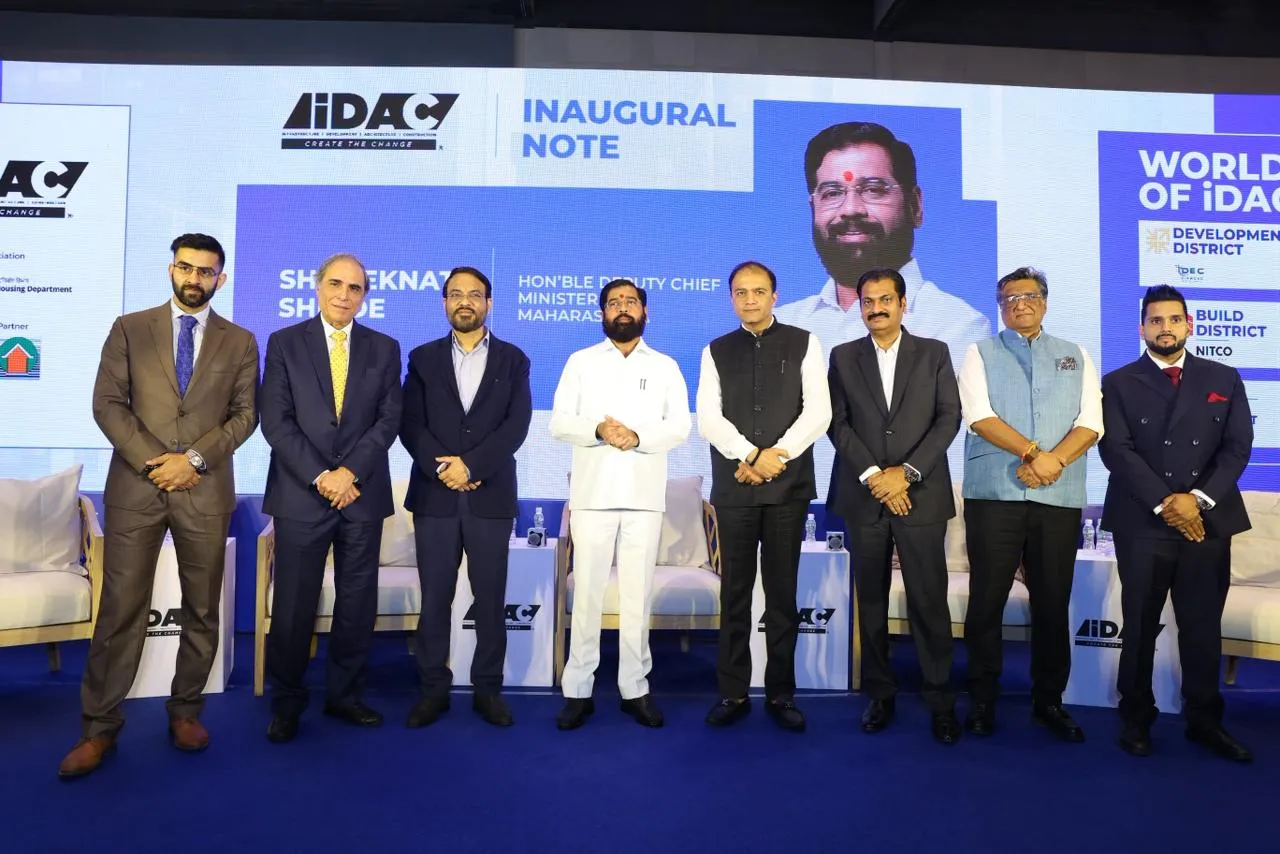
Maharashtra is poised to contribute nearly $1.5 trillion to India’s $5 trillion economy ambition by 2027, provided global economic conditions remain stable, Deputy Chief Minister Eknath Shinde said recently at iDAC Expo in Mumbai.

Highlighting the state’s economic momentum, Shinde said Maharashtra continues to lead the country through strong investment inflows, industrial expansion and large-scale infrastructure development. He noted that projects such as the Mumbai Coastal Road, Atal Setu, Navi Mumbai International Airport, Samruddhi Mahamarg and the 350-km metro network in the Mumbai Metropolitan Region are reinforcing the state’s position as a major investment and growth hub.

Shinde also said investments worth Rs 2.96 trillion are expected in 2026, with the potential to generate nearly 300,000 jobs. Referring to agreements signed at global forums such as Davos, he added that Maharashtra has secured memoranda of understanding worth Rs 30 trillion, with a conversion rate of over 75 per cent.

Pankaj Bhoyar, Minister of State for Housing, Mining, Cooperation and School Education, Government of Maharashtra, said housing must go beyond construction to provide dignity, security and opportunity. He added that redevelopment, policy reforms and collaboration with agencies such as MHADA are central to building inclusive, sustainable and future-ready cities.

Sanjeev Jaiswal, IAS, Vice President and CEO, Maharashtra Housing and Area Development Authority, stressed the need for structural reforms to improve affordability. He said rationalising premiums, development charges and related costs, along with faster approvals, could significantly improve housing access in cities such as Mumbai.

Dhaval Thakur, Co-founder, Nova Exhibitions & Conferences, said iDAC Expo was conceived as a collaborative platform for developers, architects and construction professionals to exchange ideas and shape the future built environment. He added that its association with the Housing Department and MHADA has strengthened engagement between policymakers and industry stakeholders.

The event also featured views from Satish Kumar, CEO, Mumbai First; Amit Sinha, Managing Director and CEO, Mahindra Lifespaces; architect Hafeez Contractor; and Deben Moza, Senior Executive Director, Knight Frank, all of whom underlined the importance of partnerships, sustainability, policy reforms and infrastructure in shaping Mumbai’s next phase of urban growth.

The three-day iDAC Expo is expected to attract 15,000–20,000 visitors and bring together over 150 experts, architects, developers and urban planners to discuss sustainable infrastructure, housing and the future of urban development in India.

Maharashtra is poised to contribute nearly $1.5 trillion to India’s $5 trillion economy ambition by 2027, provided global economic conditions remain stable, Deputy Chief Minister Eknath Shinde said recently at iDAC Expo in Mumbai. Highlighting the state’s economic momentum, Shinde said Maharashtra continues to lead the country through strong investment inflows, industrial expansion and large-scale infrastructure development. He noted that projects such as the Mumbai Coastal Road, Atal Setu, Navi Mumbai International Airport, Samruddhi Mahamarg and the 350-km metro network in the Mumbai Metropolitan Region are reinforcing the state’s position as a major investment and growth hub. Shinde also said investments worth Rs 2.96 trillion are expected in 2026, with the potential to generate nearly 300,000 jobs. Referring to agreements signed at global forums such as Davos, he added that Maharashtra has secured memoranda of understanding worth Rs 30 trillion, with a conversion rate of over 75 per cent. Pankaj Bhoyar, Minister of State for Housing, Mining, Cooperation and School Education, Government of Maharashtra, said housing must go beyond construction to provide dignity, security and opportunity. He added that redevelopment, policy reforms and collaboration with agencies such as MHADA are central to building inclusive, sustainable and future-ready cities. Sanjeev Jaiswal, IAS, Vice President and CEO, Maharashtra Housing and Area Development Authority, stressed the need for structural reforms to improve affordability. He said rationalising premiums, development charges and related costs, along with faster approvals, could significantly improve housing access in cities such as Mumbai. Dhaval Thakur, Co-founder, Nova Exhibitions & Conferences, said iDAC Expo was conceived as a collaborative platform for developers, architects and construction professionals to exchange ideas and shape the future built environment. He added that its association with the Housing Department and MHADA has strengthened engagement between policymakers and industry stakeholders. The event also featured views from Satish Kumar, CEO, Mumbai First; Amit Sinha, Managing Director and CEO, Mahindra Lifespaces; architect Hafeez Contractor; and Deben Moza, Senior Executive Director, Knight Frank, all of whom underlined the importance of partnerships, sustainability, policy reforms and infrastructure in shaping Mumbai’s next phase of urban growth. The three-day iDAC Expo is expected to attract 15,000–20,000 visitors and bring together over 150 experts, architects, developers and urban planners to discuss sustainable infrastructure, housing and the future of urban development in India.

Next Story
Infrastructure Transport

Mumbai–Pune Missing Link boosts realty prospects

The recently opened ‘missing link’ on the Mumbai–Pune Expressway is set to significantly transform connectivity between the two cities by reducing travel time and bypassing the challenging ghat section. The new alignment, featuring tunnels and viaducts, is designed to improve safety, ease congestion and ensure a smoother, faster commute for both passenger and commercial traffic.With improved travel efficiency, the corridor is expected to strengthen intercity movement, encouraging more frequent travel for work, leisure and logistics. This enhanced accessibility is likely to benefit real e..

Next Story
Infrastructure Urban

How Hormuz is Hijacking Indian Highways

At the recently held RAHSTA Round Table on 29th April in Pune, and earlier during our webinars for Cement Expo by Indian Cement Review and by FIRST Construction Council on manufacturing construction equipment for the world, one thread lay common: the industry is being subjected to a cost-push chain reaction moving from crude oil → freight/insurance → steel, cement fuel, bitumen, polymers, packaging, logistics and finally project margins. Indeed, the West Asia crisis caused by the war and the Hormuz Strait blockade, which does not directly concern us, has turned around and hit us. If the wa..

Next Story
Real Estate

Nila Spaces Lists VIDA on Alt DRX, Enables Fractional Ownership

Nila Spaces has listed its GIFT City residential project VIDA on Alt DRX, marking the first tokenised asset under the platform’s “Gujarat Tri-City Investment Opportunity.” The move enables retail investors to participate in premium real estate across Ahmedabad, Gandhinagar and GIFT City starting from the equivalent of 1 sq ft ownership.The initiative aims to address traditional barriers in residential real estate investment, including high entry costs, low liquidity and lengthy transaction cycles. By enabling fractional ownership, the model reduces entry thresholds from Rs 7.5 million–..

Advertisement

Subscribe to Our Newsletter

Get daily newsletters around different themes from Construction world.

STAY CONNECTED

Advertisement

Advertisement

Advertisement