Mahindra Launches XUV 3XO EV With New Electric Powertrain
ECONOMY & POLICY

Mahindra Launches XUV 3XO EV With New Electric Powertrain

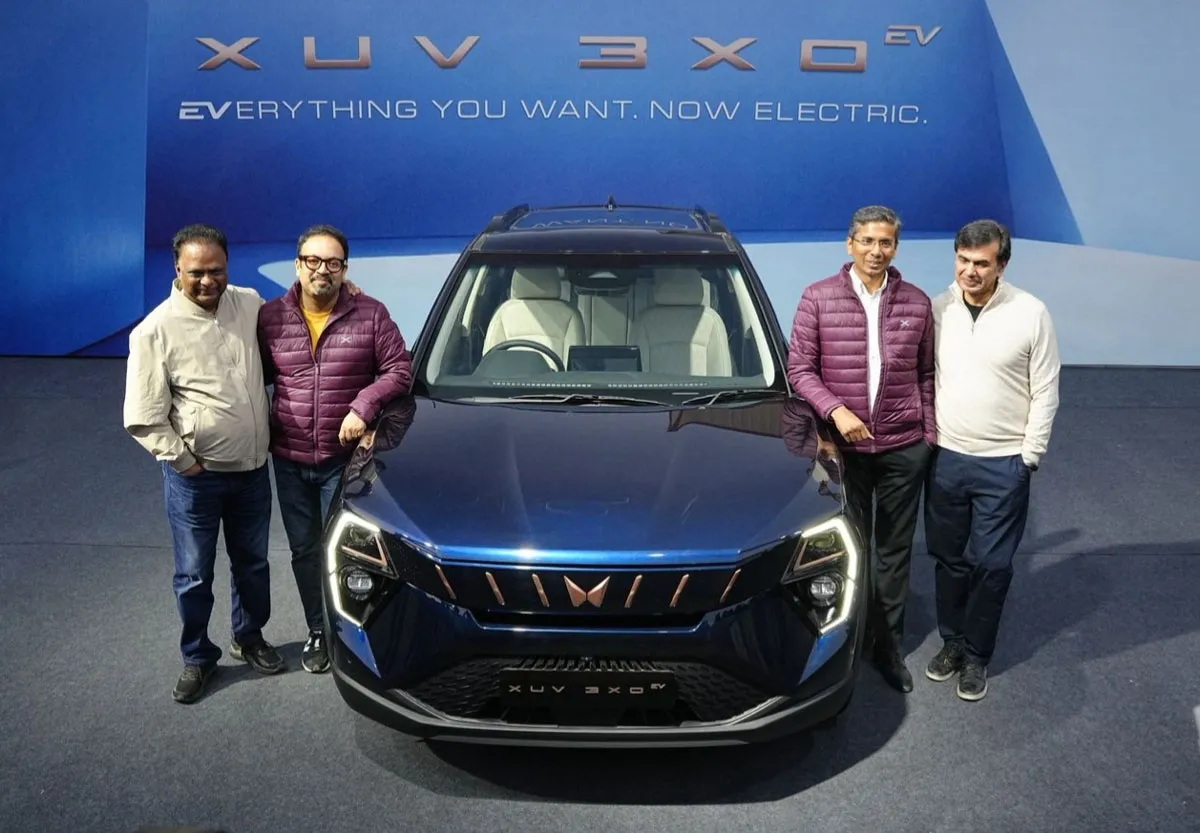
Mahindra & Mahindra Limited has introduced an electric powertrain to its XUV 3XO range with the launch of the XUV 3XO EV, marking a key expansion of its electric vehicle portfolio. The electric SUV has been launched at a starting price of Rs 1.389 million (ex-showroom) and will be offered in two variants, AX5 and AX7L, with deliveries scheduled to begin from February 23, 2026.

The XUV 3XO EV is powered by a 39.4 kWh battery pack that delivers a real-world driving range of up to 285 km. The vehicle produces 110 kW of power and 310 Nm of torque, enabling acceleration from 0 to 100 km/h in 8.3 seconds. It supports DC fast charging, allowing the battery to charge from 0 to 80 per cent in around 50 minutes using a 50 kW charger.

Mahindra said the electric model has been designed to balance urban-friendly performance, safety and advanced technology. It features Level 2 advanced driver assistance systems, including adaptive cruise control, lane keep assist and autonomous emergency braking, along with a 360-degree surround view system. The SUV is also equipped with Adrenox connected car technology with over 80 features and built-in Alexa integration, a Harman Kardon premium audio system with Dolby Atmos, and twin digital displays.

The launch builds on the strong market response to the XUV 3XO range, which was introduced in April 2024 and has recorded close to 0.18 million unit sales to date. Mahindra said the electric version is aimed at customers seeking an EV primarily for intra-city use, while retaining the design, space and comfort associated with the XUV brand.

Variant-wise pricing for the XUV 3XO EV is set at Rs 1.389 million for the AX5 and Rs 1.496 million for the AX7L (ex-showroom). An optional 7.2 kW wall charger is available at an additional cost of Rs 50,000.

Mahindra said the introduction of the XUV 3XO EV underscores its focus on expanding electric mobility offerings that are aligned with everyday usage patterns, while supporting the company’s broader strategy to enhance urban mobility through sustainable and technology-led solutions.

Mahindra & Mahindra Limited has introduced an electric powertrain to its XUV 3XO range with the launch of the XUV 3XO EV, marking a key expansion of its electric vehicle portfolio. The electric SUV has been launched at a starting price of Rs 1.389 million (ex-showroom) and will be offered in two variants, AX5 and AX7L, with deliveries scheduled to begin from February 23, 2026. The XUV 3XO EV is powered by a 39.4 kWh battery pack that delivers a real-world driving range of up to 285 km. The vehicle produces 110 kW of power and 310 Nm of torque, enabling acceleration from 0 to 100 km/h in 8.3 seconds. It supports DC fast charging, allowing the battery to charge from 0 to 80 per cent in around 50 minutes using a 50 kW charger. Mahindra said the electric model has been designed to balance urban-friendly performance, safety and advanced technology. It features Level 2 advanced driver assistance systems, including adaptive cruise control, lane keep assist and autonomous emergency braking, along with a 360-degree surround view system. The SUV is also equipped with Adrenox connected car technology with over 80 features and built-in Alexa integration, a Harman Kardon premium audio system with Dolby Atmos, and twin digital displays. The launch builds on the strong market response to the XUV 3XO range, which was introduced in April 2024 and has recorded close to 0.18 million unit sales to date. Mahindra said the electric version is aimed at customers seeking an EV primarily for intra-city use, while retaining the design, space and comfort associated with the XUV brand. Variant-wise pricing for the XUV 3XO EV is set at Rs 1.389 million for the AX5 and Rs 1.496 million for the AX7L (ex-showroom). An optional 7.2 kW wall charger is available at an additional cost of Rs 50,000. Mahindra said the introduction of the XUV 3XO EV underscores its focus on expanding electric mobility offerings that are aligned with everyday usage patterns, while supporting the company’s broader strategy to enhance urban mobility through sustainable and technology-led solutions.

Next Story
Infrastructure Transport

Paonta Sahib–Ballupur NH-07 Four-Lane Project Nears Completion

The Paonta Sahib–Ballupur corridor is a critical inter-state route linking Uttarakhand and Himachal Pradesh, carrying heavy passenger, industrial and commercial traffic. Rapid urbanisation, ribbon development and limited carriageway width had resulted in persistent congestion and safety concerns, particularly around Dehradun and adjoining industrial and tourist zones.To address these challenges, the National Highways Authority of India approved the Paonta Sahib–Ballupur Four-Lane National Highway Project on NH-07. The project involves upgrading a 44.80 km stretch from Paonta Sahib in Himac..

Next Story
Infrastructure Transport

Chennai Airport T2 Phase II Review Held

The Ministry of Civil Aviation (MoCA) Secretary Samir Kumar Sinha on Monday chaired a high-level review meeting to assess progress on the New Integrated Terminal Building T2 Phase II project at Chennai International Airport. During the meeting, officials were firmly directed to ensure that the nationally important project is completed without any delay. The Secretary instructed the Airports Authority of India (AAI), Larsen & Toubro (L&T) and the Project Management Consultant (PMC) to work in close coordination and resolve all pending issues immediately so that the terminal expansion is deliver..

Next Story
Infrastructure Urban

Auto Components Up 6.8 Per Cent In H1 FY26

India’s auto component industry grew 6.8 per cent year-on-year to Rs 3.56 trillion (USD 42.7 billion) during April–September FY26, compared with Rs 3.33 trillion (USD 40.0 billion) in the same period last year, according to the Automotive Component Manufacturers Association (ACMA). The expansion was supported by steady domestic demand, a resilient aftermarket and continued investment in capacity, localisation and technology upgrades. Sales to OEMs rose 7.3 per cent to Rs 3.04 trillion (USD 36.5 billion), driven largely by passenger vehicles and light commercial vehicles. The aftermarket p..

Advertisement

Subscribe to Our Newsletter

Get daily newsletters around different themes from Construction world.

STAY CONNECTED

Advertisement

Advertisement

Advertisement

Advertisement

Open In App