Mahindra Pips JSW MG To Become Second Biggest EV Maker In March
ECONOMY & POLICY

Mahindra Pips JSW MG To Become Second Biggest EV Maker In March

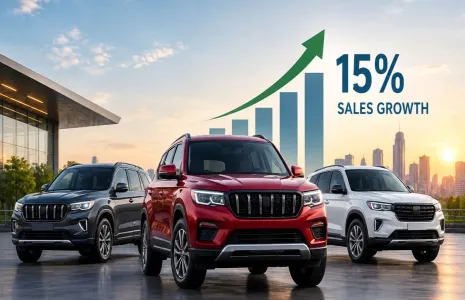
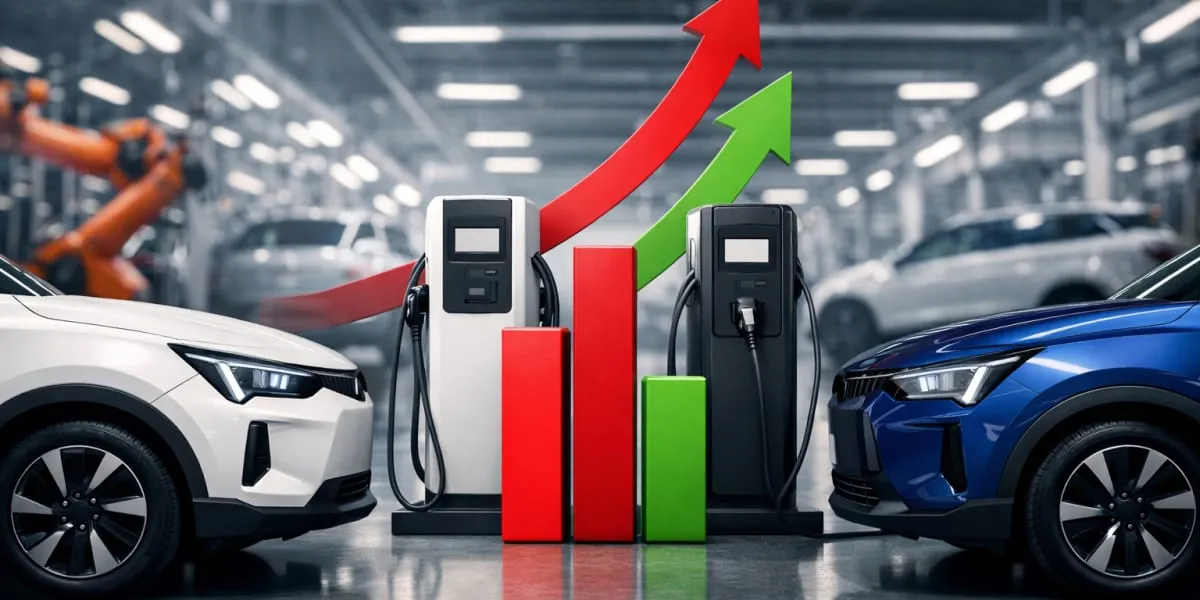
Mahindra & Mahindra (Mahindra) overtook JSW MG Motor (JSW MG) to become the second biggest electric vehicle maker in March, reflecting a notable shift in the market. Industry sales tallies for the month showed Mahindra moving ahead of JSW MG in volume terms, elevating its position among domestic electric vehicle manufacturers. The change occurred amid a general uptick in consumer interest in battery electric models and follows recent efforts by manufacturers to streamline production and deliveries.

Analysts said the shift stemmed from improved delivery pipelines and the availability of popular models, which helped Mahindra close gaps with competitors. Supply chain adjustments and prioritisation of electric vehicle production lines were cited as contributory factors. Dealers reported stronger showroom traffic for battery electric models, and logistics enhancements aided in meeting order backlogs. Market watchers noted that short term fluctuations can alter rankings but sustained momentum would be needed to maintain the new position.

The development is likely to intensify competition among manufacturers vying for electric vehicle buyers in the domestic market. Mahindra will be expected to capitalise on the improved standing by reinforcing supply chains and after sales support to convert interest into sustained sales. Rivals may respond with targeted pricing, offers and production adjustments to regain ground. Observers emphasised that broader ecosystem developments, including charging infrastructure and policy measures, will continue to influence market dynamics.

Industry participants said the March outcome will be monitored closely as the calendar progresses and as manufacturers roll out fresh variants and production increments. The ranking move reflects an evolving market where agility in manufacturing and dealer logistics can yield rapid gains in standing. Companies are likely to focus on converting trial purchases into repeat demand through service quality and warranty support. The coming quarters will indicate whether Mahindra can sustain the position or if rivals will reclaim lost ground.

Mahindra & Mahindra (Mahindra) overtook JSW MG Motor (JSW MG) to become the second biggest electric vehicle maker in March, reflecting a notable shift in the market. Industry sales tallies for the month showed Mahindra moving ahead of JSW MG in volume terms, elevating its position among domestic electric vehicle manufacturers. The change occurred amid a general uptick in consumer interest in battery electric models and follows recent efforts by manufacturers to streamline production and deliveries. Analysts said the shift stemmed from improved delivery pipelines and the availability of popular models, which helped Mahindra close gaps with competitors. Supply chain adjustments and prioritisation of electric vehicle production lines were cited as contributory factors. Dealers reported stronger showroom traffic for battery electric models, and logistics enhancements aided in meeting order backlogs. Market watchers noted that short term fluctuations can alter rankings but sustained momentum would be needed to maintain the new position. The development is likely to intensify competition among manufacturers vying for electric vehicle buyers in the domestic market. Mahindra will be expected to capitalise on the improved standing by reinforcing supply chains and after sales support to convert interest into sustained sales. Rivals may respond with targeted pricing, offers and production adjustments to regain ground. Observers emphasised that broader ecosystem developments, including charging infrastructure and policy measures, will continue to influence market dynamics. Industry participants said the March outcome will be monitored closely as the calendar progresses and as manufacturers roll out fresh variants and production increments. The ranking move reflects an evolving market where agility in manufacturing and dealer logistics can yield rapid gains in standing. Companies are likely to focus on converting trial purchases into repeat demand through service quality and warranty support. The coming quarters will indicate whether Mahindra can sustain the position or if rivals will reclaim lost ground.

Next Story
Infrastructure Urban

Shree KB Group Leases 75% of KB Mart in Greater Noida

Shree KB Group has leased over 75 per cent of its commercial project, KB Mart, in Knowledge Park II, Greater Noida, to domestic and international brands.Spread across approximately 2,90,000 sq ft, the mixed-use development integrates high-street retail, a food court and studio apartments. The company expects to generate around Rs 20 crore in revenue through leasing.Located opposite the India Expo Centre & Mart, the project benefits from strong connectivity via the Aqua Line Metro and proximity to major educational institutions, with a catchment of over two lakh students.Developed over 2.3 ..

Next Story
Real Estate

Janus Living Debuts on NYSE as Senior Housing REIT

New York Stock Exchange announced that Janus Living has commenced trading, marking its public debut as a senior housing real estate investment trust (REIT).The listing was highlighted during the exchange’s pre-market update, with the company celebrating its IPO at the NYSE trading floor. The debut reflects continued investor interest in specialised real estate segments, particularly senior housing.The update also noted broader market movements, with equities trading lower amid geopolitical developments in the Middle East impacting global sentiment.In addition, Guardian Metal Resources marked..

Next Story
Infrastructure Urban

WACKER to Increase Silicone Product Prices from April

WACKER Chemie AG has announced a price increase for its silicone-based products, effective April 1, 2026, citing rising input and logistics costs.The company stated that ongoing geopolitical developments in the Middle East have disrupted global supply chains, leading to sharp increases in energy, raw material and transportation costs. These factors have significantly impacted its global silicones business.Despite efforts to optimise its production and logistics network to minimise customer impact, WACKER noted that the scale of cost escalation has made price adjustments unavoidable. Customers ..

Advertisement

Subscribe to Our Newsletter

Get daily newsletters around different themes from Construction world.

STAY CONNECTED

Advertisement

Advertisement

Advertisement