

+
More Automakers To Join PLI Scheme From FY27
ECONOMY & POLICY

More Automakers To Join PLI Scheme From FY27

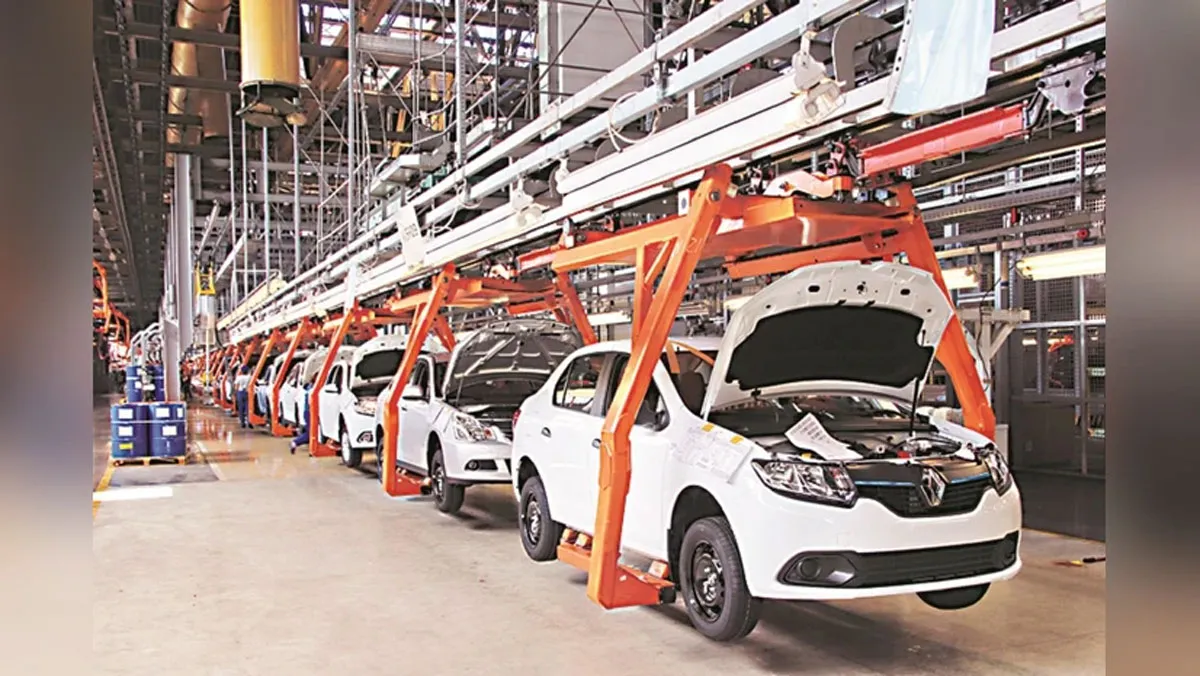
Three additional vehicle manufacturers and five more auto component makers will begin availing financial incentives under the production-linked incentive (PLI) scheme for the automobile sector from 2026–27, taking the total number of beneficiary companies from 10 at present to 18 by the end of FY27, according to Hanif Qureshi, Additional Secretary at the Ministry of Heavy Industries. The automobile PLI scheme was approved by the Union Cabinet on September 15, 2021, with a total outlay of Rs 259.38 billion over five years. Of the 115 companies that applied, 82 vehicle and auto component manufacturers were approved under the scheme.

Speaking at a media briefing, Qureshi said the government will invoke the bank guarantees of 10 approved companies that failed to make any investment over the past two financial years. All 10 firms are auto component manufacturers. He explained that participation in the scheme requires companies to furnish a bank guarantee, which can be invoked if there is zero investment in two consecutive years, as stipulated in the guidelines.

Disbursements under the scheme have accelerated over time. The ministry disbursed Rs 26.3 million in FY24 and Rs 3.25 billion in FY25. In FY26, around Rs 20 billion has been disbursed so far, out of Rs 20.91 billion sanctioned for the full year. Qureshi said payouts were modest in the initial years as approved companies were still setting up manufacturing capacities and meeting the domestic value addition threshold of over 50 per cent, a key eligibility condition. He added that sanctioned incentives are expected to rise multi-fold in the next financial year as more firms begin selling vehicles compliant with localisation norms and start claiming benefits.

In FY26, five vehicle manufacturers—Mahindra & Mahindra, Tata Motors, Bajaj Auto, TVS Motor and Ola Electric—along with four auto component makers have received or will receive incentives. The component firms are Delphi-TVS Technologies, Sona BLW Precision Forgings, Bosch Automotive Electronics India and Tata Autocomp Systems. Toyota Kirloskar Auto Parts, which availed incentives in FY25, will not do so in FY26 but is expected to resume participation from FY27.

From FY27 onwards, vehicle manufacturers Eicher Motors, Pinnacle Mobility Solutions and Hero MotoCorp are expected to start availing incentives, along with five auto component makers—Dana TM4 India, Uno Minda, Varroc Engineering, Napino Auto and Cummins Technologies India.

Under the scheme so far, incentives have supported production of about 1.042 million electric two-wheelers, 238,385 electric three-wheelers, 79,540 electric four-wheelers and 1,391 electric buses, reflecting the growing scale of India’s electric mobility ecosystem.

Three additional vehicle manufacturers and five more auto component makers will begin availing financial incentives under the production-linked incentive (PLI) scheme for the automobile sector from 2026–27, taking the total number of beneficiary companies from 10 at present to 18 by the end of FY27, according to Hanif Qureshi, Additional Secretary at the Ministry of Heavy Industries. The automobile PLI scheme was approved by the Union Cabinet on September 15, 2021, with a total outlay of Rs 259.38 billion over five years. Of the 115 companies that applied, 82 vehicle and auto component manufacturers were approved under the scheme. Speaking at a media briefing, Qureshi said the government will invoke the bank guarantees of 10 approved companies that failed to make any investment over the past two financial years. All 10 firms are auto component manufacturers. He explained that participation in the scheme requires companies to furnish a bank guarantee, which can be invoked if there is zero investment in two consecutive years, as stipulated in the guidelines. Disbursements under the scheme have accelerated over time. The ministry disbursed Rs 26.3 million in FY24 and Rs 3.25 billion in FY25. In FY26, around Rs 20 billion has been disbursed so far, out of Rs 20.91 billion sanctioned for the full year. Qureshi said payouts were modest in the initial years as approved companies were still setting up manufacturing capacities and meeting the domestic value addition threshold of over 50 per cent, a key eligibility condition. He added that sanctioned incentives are expected to rise multi-fold in the next financial year as more firms begin selling vehicles compliant with localisation norms and start claiming benefits. In FY26, five vehicle manufacturers—Mahindra & Mahindra, Tata Motors, Bajaj Auto, TVS Motor and Ola Electric—along with four auto component makers have received or will receive incentives. The component firms are Delphi-TVS Technologies, Sona BLW Precision Forgings, Bosch Automotive Electronics India and Tata Autocomp Systems. Toyota Kirloskar Auto Parts, which availed incentives in FY25, will not do so in FY26 but is expected to resume participation from FY27. From FY27 onwards, vehicle manufacturers Eicher Motors, Pinnacle Mobility Solutions and Hero MotoCorp are expected to start availing incentives, along with five auto component makers—Dana TM4 India, Uno Minda, Varroc Engineering, Napino Auto and Cummins Technologies India. Under the scheme so far, incentives have supported production of about 1.042 million electric two-wheelers, 238,385 electric three-wheelers, 79,540 electric four-wheelers and 1,391 electric buses, reflecting the growing scale of India’s electric mobility ecosystem.

Next Story
Infrastructure Transport

Second Mountain Tunnel Breakthrough in Palghar Advances High Speed Rail

The Mumbai-Ahmedabad high speed rail (MAHSR) project reached a milestone with the breakthrough of a mountain tunnel in Palghar, Maharashtra. Mountain tunnel MT-six measures 454 metres long and 14.4 metres wide and will accommodate up and down tracks. The breakthrough follows MT-five near Saphale on second January 2026 and the MT-six excavation was completed from both ends using the New Austrian Tunnelling Method. The ministry reported that the tunnelling was completed within 12 months. The New Austrian Tunnelling Method is favoured for its flexibility in complex geology and irregular tunnel s..

Next Story
Infrastructure Transport

Modi Government Pushes Atmanirbhar Container Drive With BCSL MoU

The Union Government advanced a plan to create an integrated, domestically anchored container ecosystem with the signing of a Memorandum of Understanding to establish the Bharat Container Shipping Line (BCSL). The MoU was signed by key agencies including the Shipping Corporation of India and Container Corporation of India alongside major port authorities and Sagarmala Finance Corporation Limited under the Ministry of Ports, Shipping and Waterways, in the presence of senior ministers. The initiative aligns with the Container Manufacturing Assistance Scheme announced in the Union Budget 2026–2..

Next Story
Infrastructure Urban

Ministry Reports Gains In Mobility For Marginalised Communities

The Ministry of Social Justice and Empowerment is implementing skill development, education and rehabilitation schemes to promote socio-economic mobility and sustainable livelihoods for marginalised and disadvantaged communities across the country. Programmes target Scheduled Castes, Other Backward Classes, Economically Weaker Sections, De-notified Tribes and Safai Karamcharis through specialised implementing corporations and empanelled training institutes. Pradhan Mantri Dakshata Aur Kushalta Sampann Hitgrahi Yojana, or PM-DAKSH, provided skill training and placement support through the Nati..

Advertisement

Subscribe to Our Newsletter

Get daily newsletters around different themes from Construction world.

STAY CONNECTED

Advertisement

Advertisement

Advertisement

Open In App