



Neolite ZKW Opens Eco-Friendly Plant
ECONOMY & POLICY

Neolite ZKW Opens Eco-Friendly Plant

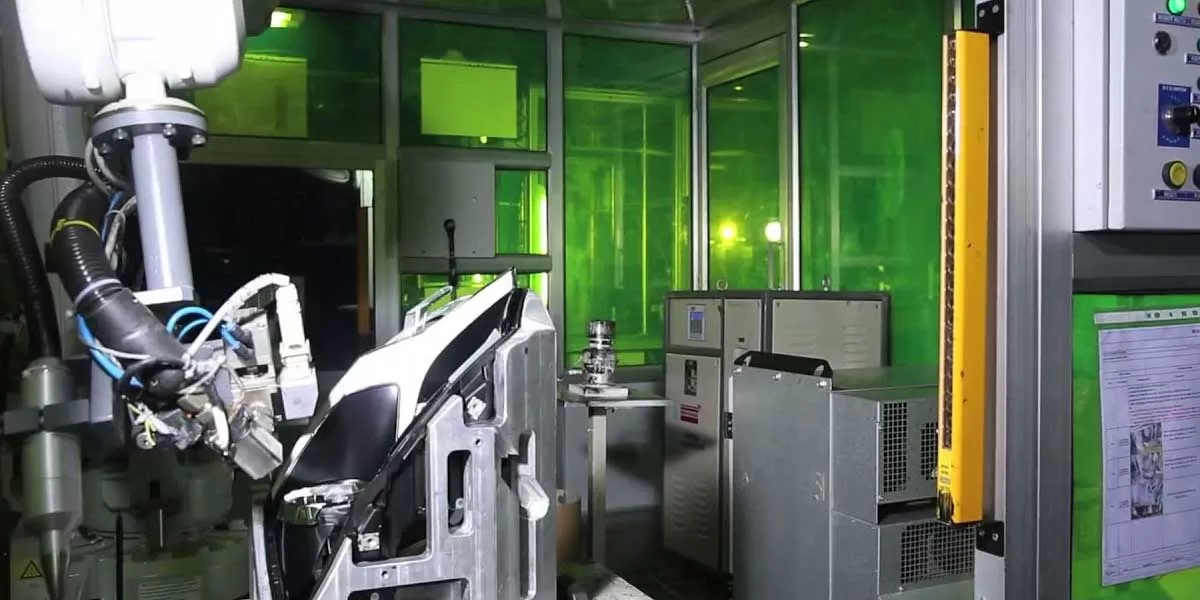
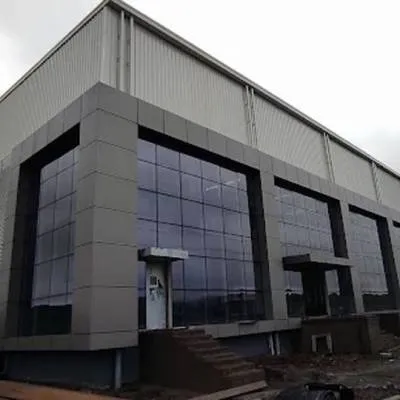
Neolite ZKW has inaugurated a new eco-friendly manufacturing plant in Pune, focused on producing automotive lighting solutions with a strong emphasis on sustainability and green technology. The new facility is designed to incorporate energy-efficient processes and eco-friendly practices, aligning with global standards for sustainable manufacturing in the automotive sector.

The Pune plant is set to produce advanced automotive lighting components, using cutting-edge technology to reduce environmental impact. This initiative is part of Neolite ZKW's commitment to supporting the automotive industry's shift toward more sustainable production methods while maintaining the highest standards of quality and innovation in lighting solutions. The facility aims to minimize carbon emissions and optimize energy use, further contributing to environmental sustainability.

By leveraging the latest in energy-efficient manufacturing, the plant is set to support both local and international automotive markets with high-performance lighting components. The move comes as part of Neolite ZKW's broader goal to advance green manufacturing initiatives within the automotive industry, fostering sustainable development and contributing to the global effort to reduce the automotive sector's environmental footprint.

The plant is expected to not only support the growing demand for automotive lighting but also demonstrate how green factory practices can be integrated into large-scale production, setting an example for future manufacturing in the sector. The launch marks a significant step forward in the company's commitment to eco-friendly production, aligning with industry trends toward sustainability and resource efficiency.

Neolite ZKW has inaugurated a new eco-friendly manufacturing plant in Pune, focused on producing automotive lighting solutions with a strong emphasis on sustainability and green technology. The new facility is designed to incorporate energy-efficient processes and eco-friendly practices, aligning with global standards for sustainable manufacturing in the automotive sector. The Pune plant is set to produce advanced automotive lighting components, using cutting-edge technology to reduce environmental impact. This initiative is part of Neolite ZKW's commitment to supporting the automotive industry's shift toward more sustainable production methods while maintaining the highest standards of quality and innovation in lighting solutions. The facility aims to minimize carbon emissions and optimize energy use, further contributing to environmental sustainability. By leveraging the latest in energy-efficient manufacturing, the plant is set to support both local and international automotive markets with high-performance lighting components. The move comes as part of Neolite ZKW's broader goal to advance green manufacturing initiatives within the automotive industry, fostering sustainable development and contributing to the global effort to reduce the automotive sector's environmental footprint. The plant is expected to not only support the growing demand for automotive lighting but also demonstrate how green factory practices can be integrated into large-scale production, setting an example for future manufacturing in the sector. The launch marks a significant step forward in the company's commitment to eco-friendly production, aligning with industry trends toward sustainability and resource efficiency.

Next Story
Infrastructure Urban

India Expands Semiconductor Training To 500 Institutions

Under the Chips to Startups programme of the India Semiconductor Mission, the Union minister responsible for Railways, Information and Broadcasting, and Electronics and IT reported notable progress in talent development. He indicated that over the past four years substantial steps have been taken towards a 10-year target of training 85,000 engineers in semiconductor design. World-class EDA tools have been deployed in 315 academic institutions across the country to provide students with practical exposure to chip design. These EDA tools are supported by leading global firms and are accessible t..

Next Story
Infrastructure Urban

Delhi Institutions Support India Semiconductor Mission

The Government of India has prioritised talent development through training, upskilling and workforce development under the Chips to Startups initiative of the India Semiconductor Mission, with officials noting progress in four years towards a 10-year target of training 85,000 engineers in semiconductor design. Electronic design automation tools provided by Synopsys, Cadence, Siemens, Renesas, Ansys and AMD have been deployed in 315 academic institutions, enabling students to gain practical chip design experience. Chips have been fabricated and tested at the Semiconductor Laboratory, Mohali, a..

Next Story
Infrastructure Urban

NHA Announces Winners Of NHCX Hackathon At IIT Hyderabad

The National Health Authority (NHA) has concluded the NHCX Hackathon under the Ayushman Bharat Digital Mission (ABDM) to stimulate innovation around the National Health Claims Exchange (NHCX). The winning teams presented their solutions at the NHCX Innovation Meet held at IIT Hyderabad during a two-day event in March 2026 that also served as the hackathon grand finale. The hackathon itself ran from 22 to 28 February 2026 and aimed to accelerate paperless, transparent claims processing across India. The event was organised with a range of ecosystem partners, including the Insurance Regulatory a..

Advertisement

Subscribe to Our Newsletter

Get daily newsletters around different themes from Construction world.

STAY CONNECTED

Advertisement

Advertisement

Advertisement














