NITI Aayog Flags China’s Grip on Critical Minerals Supply
ECONOMY & POLICY

NITI Aayog Flags China’s Grip on Critical Minerals Supply

At the India Mining Summit 2025 in New Delhi, NITI Aayog member Arvind Virmani raised concerns about the heavy concentration of the world’s critical mineral supply in China, warning that the issue has global implications.

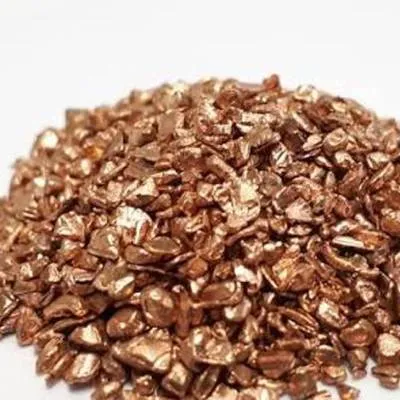
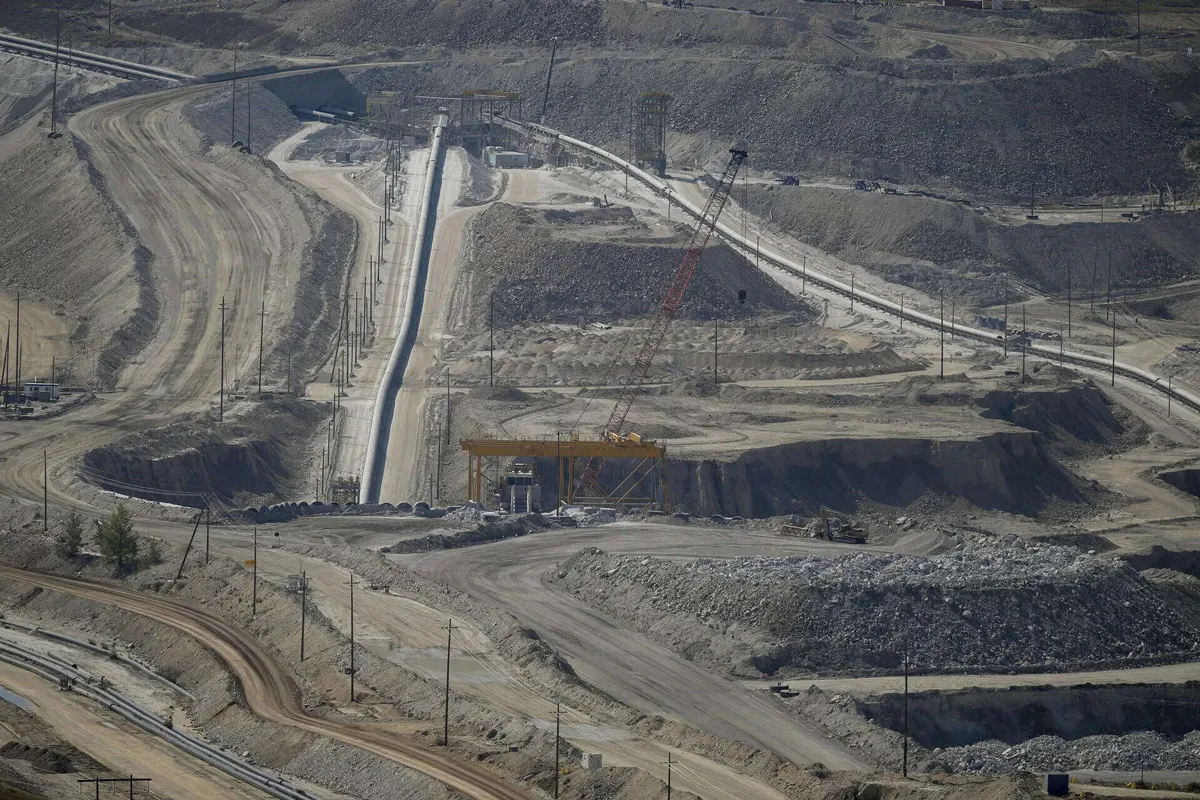
Virmani noted that while critical minerals are found across the globe, nearly 80–90 per cent of metal processing and supply is controlled by China. “We would call that a monopoly,” he remarked, stressing the need to diversify global supply chains.

China’s position as the dominant producer of rare earth elements has triggered worldwide anxiety, particularly after it imposed export restrictions. Virmani said the challenge is not limited to India: “The whole world is scrambling to create new technologies. It benefits everybody except the monopolists.”

India has launched the National Critical Mineral Mission (NCMM) to boost domestic exploration, processing and recycling. Virmani also highlighted opportunities for collaboration with countries such as Peru and several African nations rich in untapped mineral reserves.

Responding to Taiwan’s interest in sourcing rare earths from India, Virmani cautioned that India is not a major producer except in specific resources such as iron ore and titanium-bearing monazite sands found in eastern states and Kerala.

He said renewed focus on rare earths would spur technological investigation and economic evaluation, ensuring India contributes to a competitive global supply chain.

At the India Mining Summit 2025 in New Delhi, NITI Aayog member Arvind Virmani raised concerns about the heavy concentration of the world’s critical mineral supply in China, warning that the issue has global implications.Virmani noted that while critical minerals are found across the globe, nearly 80–90 per cent of metal processing and supply is controlled by China. “We would call that a monopoly,” he remarked, stressing the need to diversify global supply chains.China’s position as the dominant producer of rare earth elements has triggered worldwide anxiety, particularly after it imposed export restrictions. Virmani said the challenge is not limited to India: “The whole world is scrambling to create new technologies. It benefits everybody except the monopolists.”India has launched the National Critical Mineral Mission (NCMM) to boost domestic exploration, processing and recycling. Virmani also highlighted opportunities for collaboration with countries such as Peru and several African nations rich in untapped mineral reserves.Responding to Taiwan’s interest in sourcing rare earths from India, Virmani cautioned that India is not a major producer except in specific resources such as iron ore and titanium-bearing monazite sands found in eastern states and Kerala.He said renewed focus on rare earths would spur technological investigation and economic evaluation, ensuring India contributes to a competitive global supply chain.

Next Story
Infrastructure Urban

Implementation Status of Jal Jeevan Mission

Since August 2019 the Government has implemented Jal Jeevan Mission to provide assured potable water through household tap connections in rural India. At the start of the mission only 32.3 million (mn) rural households, representing 16.7 per cent, were reported to have tap water connections. States and union territories have reported that 125.8 mn additional rural households have since been provided with tap connections. As a result, of about 193.6 mn rural households roughly 158.2 mn, or 81.71 per cent, are reported to have tap water supply at home.\n\nThe State, district and village level st..

Next Story
Infrastructure Urban

Jal Jeevan Mission Reaches Eighty One Per Cent Rural Coverage

The Government reported substantial progress under the Jal Jeevan Mission, launched in August 2019 to provide tap water to every rural household. At launch only 32.3 million (mn) rural households had tap connections and states and Union territories reported provision of 125.8 mn additional households by March 2026. Consequently, out of about 193.6 mn rural households around 158.2 mn, or 81.71 per cent, are reported to have tap water at home. The Finance Minister announced extension of the mission until 2028 in the 2025-26 budget speech. The Swachh Bharat Mission Grameen, launched in October 20..

Next Story
Infrastructure Urban

Empowering Local Governance for Sustainable Rural Water Supply

The Ministry of Jal Shakti has aligned the Jal Jeevan Mission (JJM) with the 73rd Amendment to strengthen village level planning and community ownership of water supply. Gram Panchayats, village water and sanitation committees and Pani Samitis are to plan, implement, manage and maintain piped water systems, with gram sabha processes formalising handover and oversight. Implementation support agencies including non government organisations, community based organisations and self help groups have been empanelled to train local committees and promote women participation. Under JJM, the department ..

Advertisement

Subscribe to Our Newsletter

Get daily newsletters around different themes from Construction world.

STAY CONNECTED

Advertisement

Advertisement

Advertisement