Noida Skywalk Raises Aqua Line Ridership by 20 Per Cent
ECONOMY & POLICY

Noida Skywalk Raises Aqua Line Ridership by 20 Per Cent

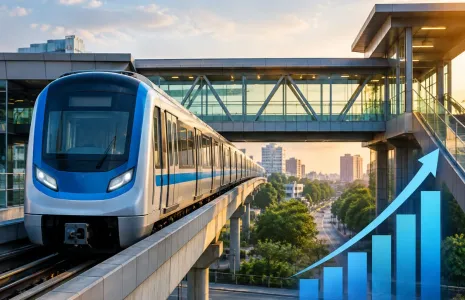
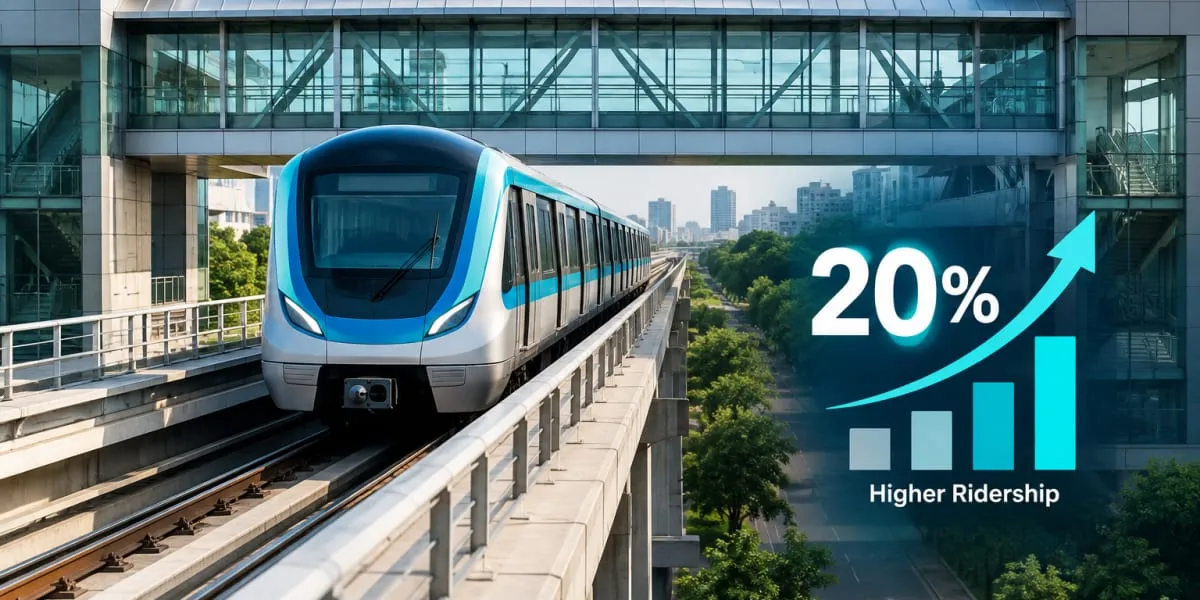
Daily passenger ridership on Noida Metro’s Aqua Line has risen by more than 20 per cent since the skywalk linking the Sector 51 and Sector 52 metro stations opened to the public on August 28. Officials attributed the increase to easier transfers between the two networks.

Data from the Noida Metro Rail Corporation (NMRC) showed that average daily passenger numbers rose from around 70,000 in August to approximately 85,000 in September. The increase represents about 21 per cent growth following the opening of the facility, according to Noida authority chief executive officer Krishna Karunesh.

NMRC data showed average daily ridership on the Aqua Line at 60,705 in June, 61,811 in July and 73,298 in August. The figures indicate that passenger use had already been rising before the skywalk became operational, although officials linked the sharper increase in September to the improved interchange.

Before the facility opened, passengers transferring between the Delhi Metro Rail Corporation’s (DMRC) Blue Line station at Sector 52 and NMRC’s Sector 51 station had to walk around 1 km. The skywalk allows commuters to move between the two lines without buying new tickets, reducing the inconvenience associated with the interchange.

The L-shaped, 400-metre air-conditioned structure is equipped with travelators and was opened after a delay of more than three years. It was launched in March 2023 with a one-year completion target, but construction faced alignment changes and restrictions imposed by the National Green Tribunal during the winter season.

The project was initially designed as a single-pillar structure, but the discovery of an underground metro cable during excavation required a redesign using two-column supports. A beam obstructing the entry at Sector 51 led to another modification and an extension of the skywalk. These changes increased the project cost from Rs. 250 mn to Rs. 330 mn. Residents said the facility had made the transfer more convenient during heat and rainfall, with travelators helping commuters cover the distance in four to five minutes.

Daily passenger ridership on Noida Metro’s Aqua Line has risen by more than 20 per cent since the skywalk linking the Sector 51 and Sector 52 metro stations opened to the public on August 28. Officials attributed the increase to easier transfers between the two networks. Data from the Noida Metro Rail Corporation (NMRC) showed that average daily passenger numbers rose from around 70,000 in August to approximately 85,000 in September. The increase represents about 21 per cent growth following the opening of the facility, according to Noida authority chief executive officer Krishna Karunesh. NMRC data showed average daily ridership on the Aqua Line at 60,705 in June, 61,811 in July and 73,298 in August. The figures indicate that passenger use had already been rising before the skywalk became operational, although officials linked the sharper increase in September to the improved interchange. Before the facility opened, passengers transferring between the Delhi Metro Rail Corporation’s (DMRC) Blue Line station at Sector 52 and NMRC’s Sector 51 station had to walk around 1 km. The skywalk allows commuters to move between the two lines without buying new tickets, reducing the inconvenience associated with the interchange. The L-shaped, 400-metre air-conditioned structure is equipped with travelators and was opened after a delay of more than three years. It was launched in March 2023 with a one-year completion target, but construction faced alignment changes and restrictions imposed by the National Green Tribunal during the winter season. The project was initially designed as a single-pillar structure, but the discovery of an underground metro cable during excavation required a redesign using two-column supports. A beam obstructing the entry at Sector 51 led to another modification and an extension of the skywalk. These changes increased the project cost from Rs. 250 mn to Rs. 330 mn. Residents said the facility had made the transfer more convenient during heat and rainfall, with travelators helping commuters cover the distance in four to five minutes.

Related Stories

Gold Stories

Next Story
Resources

Kalpataru Projects International elevates Amit Uplenchwar as Joint MD and CEO

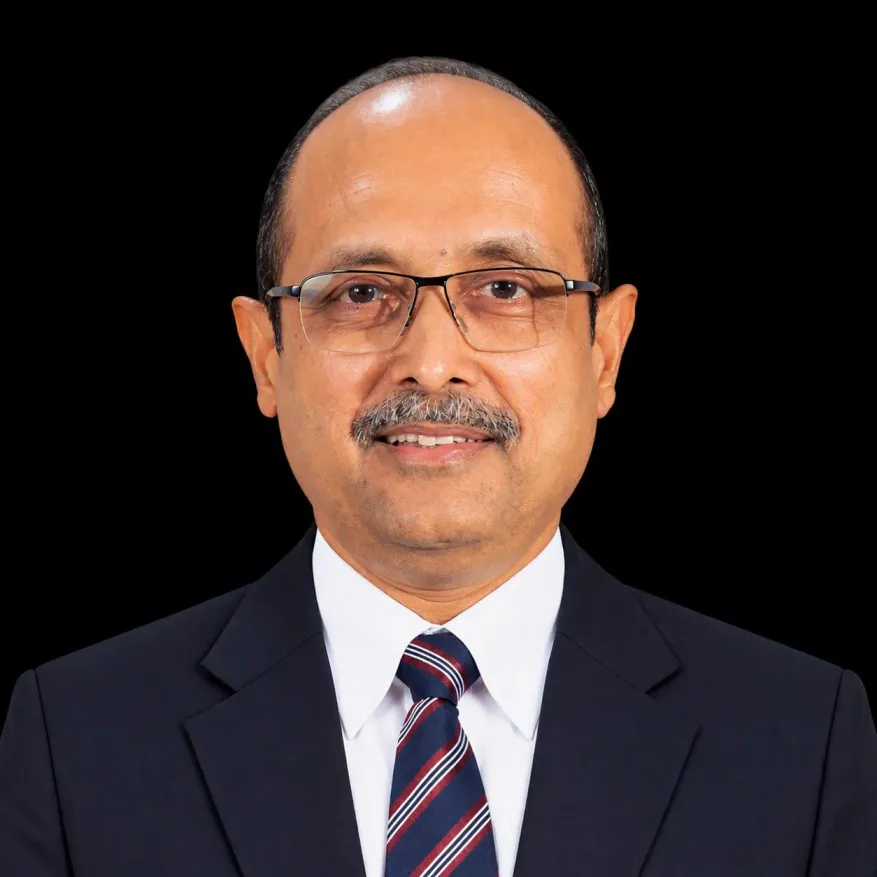
Kalpataru Projects International (KPIL) has elevated Amit Uplenchwar as Joint Managing Director and CEO (designate), following approval by its board on 5 November 2026. He will take charge as Additional Director, Joint Managing Director and CEO from 1 January 2027 for a five-year term ending 31 December 2031, subject to shareholders' approval.Uplenchwar brings over three decades of experience in corporate strategy, business operations, business development, mergers and acquisitions, and international business management. His experience spans transportation, power, water, oil and gas, aerospace..
Next Story
Resources

HCC appoints Vivek Singhal as CEO

Hindustan Construction Company (HCC) has appointed Vivek Singhal as Chief Executive Officer, effective 5 November 2026. He brings over four decades of experience in infrastructure and engineering, procurement and construction (EPC), covering project execution, business leadership, business development and profit and loss management.Singhal has spent 16 years in international markets, delivering projects and managing assets worth approximately Rs 285 billion across five countries. His experience spans airports, metro rail, urban transport, hydropower, bridges and other infrastructure sectors.He..

Next Story
Infrastructure Energy

Essar Signs PPA for 300 MW Hybrid Renewable Energy Project

Essar Renewables, the renewable energy arm of Essar Power, has signed a Power Purchase Agreement (PPA) with NHPC for a 300 MW renewable energy project in Andhra Pradesh. The agreement follows the company’s successful bid for the project two years ago. Essar Power will invest approximately Rs. 45 bn in the development. The project will combine solar and wind generation with Battery Energy Storage Systems (BESS), enabling the supply of reliable and dispatchable renewable power. It forms part of Essar Power’s plan to build a diversified energy portfolio of approximately 5 GW across renewable,..

Advertisement

Subscribe to Our Newsletter

Get daily newsletters around different themes from Construction world.

STAY CONNECTED

Advertisement

SPECIAL OFFER
QR Code