PAC Pulls Up Delhi Government Over Pollution Monitoring Gaps
ECONOMY & POLICY

PAC Pulls Up Delhi Government Over Pollution Monitoring Gaps

The Public Accounts Committee (PAC) has criticised the Delhi government for substantive gaps in air pollution monitoring and shortcomings in public transport services, noting risks to public health and urban mobility. The committee found that monitoring systems lacked maintenance and that data reporting was inconsistent, undermining policy responses to deteriorating air quality in the capital.

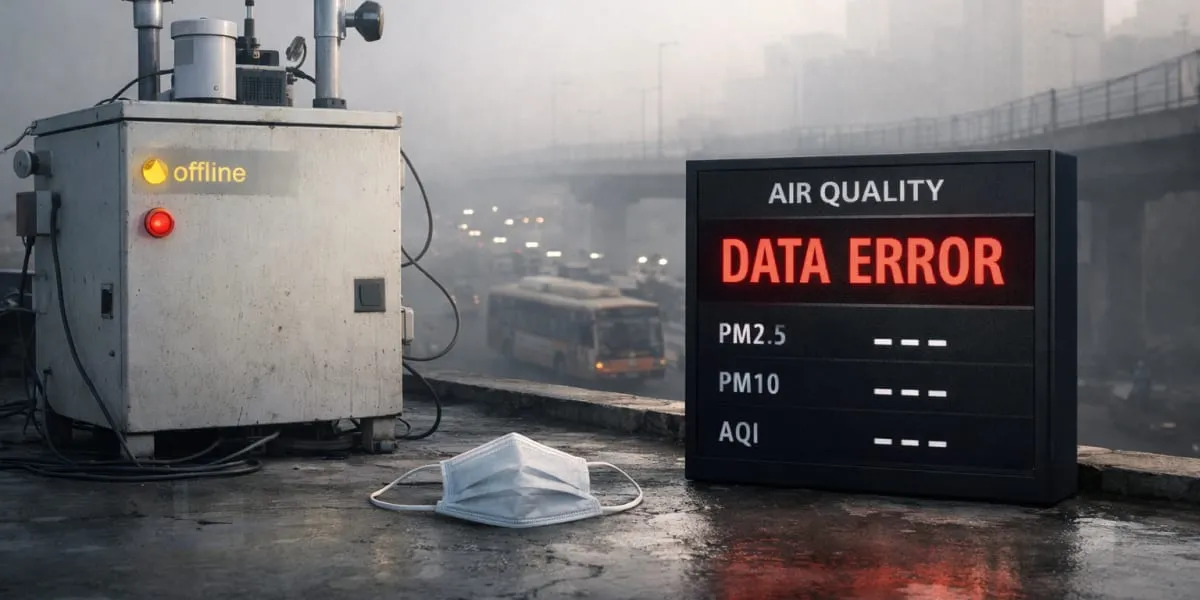
The PAC observed that several monitoring stations were offline at intervals and that instrument calibration and upkeep were inadequate, reducing the reliability of air quality readings. It found that data transparency was limited and that there was an absence of a robust mechanism for real time dissemination, which impeded timely advisories and long term planning by municipal and health authorities.

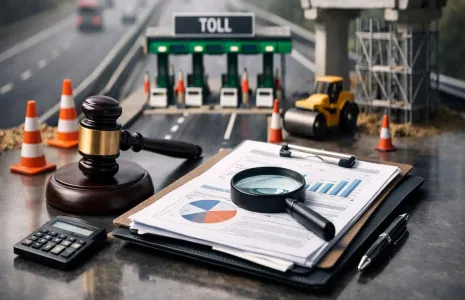
On public transport, the committee highlighted deficiencies in fleet upkeep, scheduling and integration that had led to commuter inconvenience and increased private vehicle use. The PAC noted that last mile connectivity remained weak and that the existing bus services did not offer sufficient frequency or reliability to shift travel behaviour at scale, thereby exacerbating congestion and emissions.

The PAC recommended that the government prioritise repair and expansion of monitoring infrastructure, introduce systematic calibration regimes and publish verified data through an accessible dashboard. It urged a review of procurement and maintenance practices for buses and staff training, and suggested accelerated adoption of low emission vehicles alongside improved route planning and payment integration.

The Delhi government was instructed to prepare a comprehensive action plan addressing the committee's concerns, with periodic progress reports to the PAC and clear accountability lines among agencies. The committee stressed that strengthened monitoring and better public transport services were essential to protect health and to deliver sustainable urban mobility for residents.

The Public Accounts Committee (PAC) has criticised the Delhi government for substantive gaps in air pollution monitoring and shortcomings in public transport services, noting risks to public health and urban mobility. The committee found that monitoring systems lacked maintenance and that data reporting was inconsistent, undermining policy responses to deteriorating air quality in the capital. The PAC observed that several monitoring stations were offline at intervals and that instrument calibration and upkeep were inadequate, reducing the reliability of air quality readings. It found that data transparency was limited and that there was an absence of a robust mechanism for real time dissemination, which impeded timely advisories and long term planning by municipal and health authorities. On public transport, the committee highlighted deficiencies in fleet upkeep, scheduling and integration that had led to commuter inconvenience and increased private vehicle use. The PAC noted that last mile connectivity remained weak and that the existing bus services did not offer sufficient frequency or reliability to shift travel behaviour at scale, thereby exacerbating congestion and emissions. The PAC recommended that the government prioritise repair and expansion of monitoring infrastructure, introduce systematic calibration regimes and publish verified data through an accessible dashboard. It urged a review of procurement and maintenance practices for buses and staff training, and suggested accelerated adoption of low emission vehicles alongside improved route planning and payment integration. The Delhi government was instructed to prepare a comprehensive action plan addressing the committee's concerns, with periodic progress reports to the PAC and clear accountability lines among agencies. The committee stressed that strengthened monitoring and better public transport services were essential to protect health and to deliver sustainable urban mobility for residents.

Next Story
Infrastructure Urban

Urgently Wanted: 2 Million Workers!

Construction, India’s second largest employer by industry, employs about 50 million workers but could additionally absorb another 40 million workers, according to estimates shared by the Construction Skill Development Council of India (CSDCI) in 2023. Within this, citing trade estimates, Rahul Bahl, Managing Director, Krishna Buildestates, says the shortage of trained, skilled workers is currently about 2 million, and is expected to rise to 5 million by 2030.Not only is the construction industry struggling to find workers but construction labour productivity in India significantly trails g..

Next Story
Real Estate

144 Years in the Making!

1. A century-spanning construction storyConstruction began in 1882, making the Sagrada Família one of the longest-running architectural projects in modern history. Today, the project is overseen by the Fundació Junta Constructora del Temple Expiatori de la Sagrada Família, with Chief Architect Jordi Faulí leading its final construction phases.2. The world’s tallest church towerhe Sagrada Família in Barcelona reached its final height of 172.5 m (566 ft) on February 20, 2026, with the installation of the cross atop the Tower of Jesus Christ, making it the tallest church in the world...To ..

Next Story
Infrastructure Transport

Scaling the Skies!

India’s aviation sector is entering a decisive phase – one where ambition is no longer defined by the number of airports being announced but by the system’s ability to deliver, sustain and monetise them.At the Infrastructure Today Airports Conclave held on March 12, 2026, at Courtyard by Marriott in Mumbai, a clear shift emerged: from building airports to building a viable aviation ecosystem. The event was supported by Silver Partner Pidilite, Innovation Partner Piramal Nextgen, Exhibit Partners Rockwool and esri India, and Business Intelligence Partner IMPACCT.Opening the discussion,&nb..

Advertisement

Subscribe to Our Newsletter

Get daily newsletters around different themes from Construction world.

STAY CONNECTED

Advertisement

Advertisement

Advertisement