





+
Patnaik lays foundations for Rs 5.41 bn projects
ECONOMY & POLICY

Patnaik lays foundations for Rs 5.41 bn projects

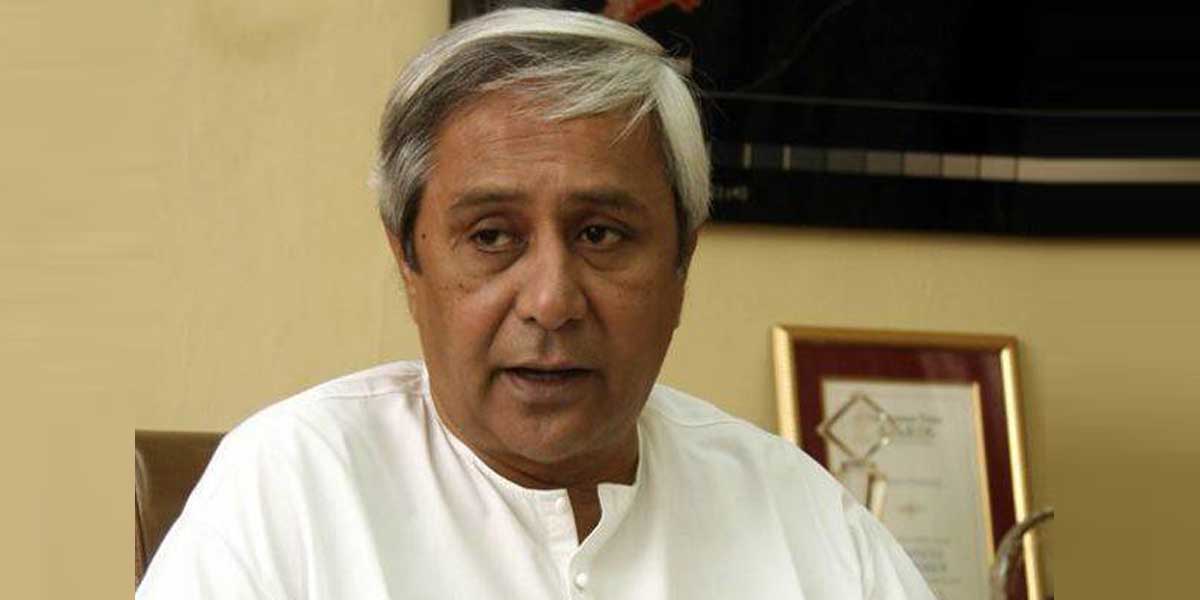
Amid protests by opposition workers, it was reported that Naveen Patnaik, Chief Minister, Odisha, had inaugurated and laid the foundation of projects worth Rs 5.41 billion. He inaugurated nine projects with a total value of Rs 3.41 billion and had laid the foundation for four additional projects estimated at Rs 2 billion.
Among the nine projects that were inaugurated, one of them was the Netaji Bus Terminal, which had a cost of Rs 900 million. This bus terminal had been constructed on a 15-acre piece of land located in the Khannagar area of Cuttack, situated on the banks of the Kathajodi River. The foundation of this bus terminal had been laid on January 23, 2021, on the occasion of the 125th birth anniversary of Netaji Subhas Chandra Bose.
During the event, it was noted that Mohammad Moquim, MLA, Cuttack-Barabati, who had been expelled from Congress, had chosen to boycott the event. He alleged that the interests of the local population had been overlooked in both the construction and operation of the project. Additionally, there were reports of protests by BJP activists who demanded the rehabilitation of vendors who had been displaced by the project.
Patnaik, who was present at the function under tight security, had mentioned that the terminal was named after Netaji, who had been born in Cuttack. He had emphasised that the terminal was equipped with modern amenities, including bus bays and designated parking areas to ensure the convenience of passengers. According to him, the terminal could accommodate up to 190 buses simultaneously. Furthermore, the terminal featured a three-story main building with an elevated concourse, spacious waiting areas, executive lounges, and facilities for business meetings. Additionally, it had three dedicated elevators for the convenience of passengers.
The terminal also included provisions for two separate air-conditioned dormitories, one for men and one for women, with a capacity of accommodating up to 120 passengers. Furthermore, it boasted a state-of-the-art 'Aahaar' cheap meal centre, which could accommodate up to 1,000 people at a time.
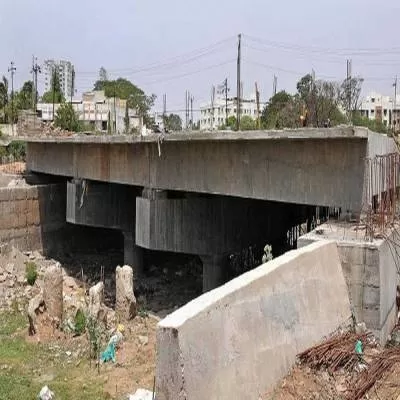
In addition to the bus terminal, Patnaik had inaugurated several other projects during the event. These included the Mahanadi campus of Ravenshaw University, which had a cost of Rs 66o.5 million, the National Law University Library, with an investment of Rs 300 million, as well as 550 EWS (Economically Weaker Sections) and 320 LIG (Low-Income Group) houses in Naranpur, amounting to Rs 880.31 million. The inauguration also covered the Taladanda canal bridge, which had been constructed at a cost of Rs 230.35 million, among other projects.

Also read: 

Amid protests by opposition workers, it was reported that Naveen Patnaik, Chief Minister, Odisha, had inaugurated and laid the foundation of projects worth Rs 5.41 billion. He inaugurated nine projects with a total value of Rs 3.41 billion and had laid the foundation for four additional projects estimated at Rs 2 billion.Among the nine projects that were inaugurated, one of them was the Netaji Bus Terminal, which had a cost of Rs 900 million. This bus terminal had been constructed on a 15-acre piece of land located in the Khannagar area of Cuttack, situated on the banks of the Kathajodi River. The foundation of this bus terminal had been laid on January 23, 2021, on the occasion of the 125th birth anniversary of Netaji Subhas Chandra Bose.During the event, it was noted that Mohammad Moquim, MLA, Cuttack-Barabati, who had been expelled from Congress, had chosen to boycott the event. He alleged that the interests of the local population had been overlooked in both the construction and operation of the project. Additionally, there were reports of protests by BJP activists who demanded the rehabilitation of vendors who had been displaced by the project.Patnaik, who was present at the function under tight security, had mentioned that the terminal was named after Netaji, who had been born in Cuttack. He had emphasised that the terminal was equipped with modern amenities, including bus bays and designated parking areas to ensure the convenience of passengers. According to him, the terminal could accommodate up to 190 buses simultaneously. Furthermore, the terminal featured a three-story main building with an elevated concourse, spacious waiting areas, executive lounges, and facilities for business meetings. Additionally, it had three dedicated elevators for the convenience of passengers.The terminal also included provisions for two separate air-conditioned dormitories, one for men and one for women, with a capacity of accommodating up to 120 passengers. Furthermore, it boasted a state-of-the-art 'Aahaar' cheap meal centre, which could accommodate up to 1,000 people at a time.In addition to the bus terminal, Patnaik had inaugurated several other projects during the event. These included the Mahanadi campus of Ravenshaw University, which had a cost of Rs 66o.5 million, the National Law University Library, with an investment of Rs 300 million, as well as 550 EWS (Economically Weaker Sections) and 320 LIG (Low-Income Group) houses in Naranpur, amounting to Rs 880.31 million. The inauguration also covered the Taladanda canal bridge, which had been constructed at a cost of Rs 230.35 million, among other projects.Also read: India and Russia to launch Eastern Maritime Corrido                                Rosatom, Gazprom Neft agree to northern sea route                

Next Story
Infrastructure Urban

India Expands Semiconductor Training To 500 Institutions

Under the Chips to Startups programme of the India Semiconductor Mission, the Union minister responsible for Railways, Information and Broadcasting, and Electronics and IT reported notable progress in talent development. He indicated that over the past four years substantial steps have been taken towards a 10-year target of training 85,000 engineers in semiconductor design. World-class EDA tools have been deployed in 315 academic institutions across the country to provide students with practical exposure to chip design. These EDA tools are supported by leading global firms and are accessible t..

Next Story
Infrastructure Urban

Delhi Institutions Support India Semiconductor Mission

The Government of India has prioritised talent development through training, upskilling and workforce development under the Chips to Startups initiative of the India Semiconductor Mission, with officials noting progress in four years towards a 10-year target of training 85,000 engineers in semiconductor design. Electronic design automation tools provided by Synopsys, Cadence, Siemens, Renesas, Ansys and AMD have been deployed in 315 academic institutions, enabling students to gain practical chip design experience. Chips have been fabricated and tested at the Semiconductor Laboratory, Mohali, a..

Next Story
Infrastructure Urban

NHA Announces Winners Of NHCX Hackathon At IIT Hyderabad

The National Health Authority (NHA) has concluded the NHCX Hackathon under the Ayushman Bharat Digital Mission (ABDM) to stimulate innovation around the National Health Claims Exchange (NHCX). The winning teams presented their solutions at the NHCX Innovation Meet held at IIT Hyderabad during a two-day event in March 2026 that also served as the hackathon grand finale. The hackathon itself ran from 22 to 28 February 2026 and aimed to accelerate paperless, transparent claims processing across India. The event was organised with a range of ecosystem partners, including the Insurance Regulatory a..

Advertisement

Subscribe to Our Newsletter

Get daily newsletters around different themes from Construction world.

STAY CONNECTED

Advertisement

Advertisement

Advertisement















