Railways Save Rs 60 Billion Through Electrification, Vaishnaw
ECONOMY & POLICY

Railways Save Rs 60 Billion Through Electrification, Vaishnaw

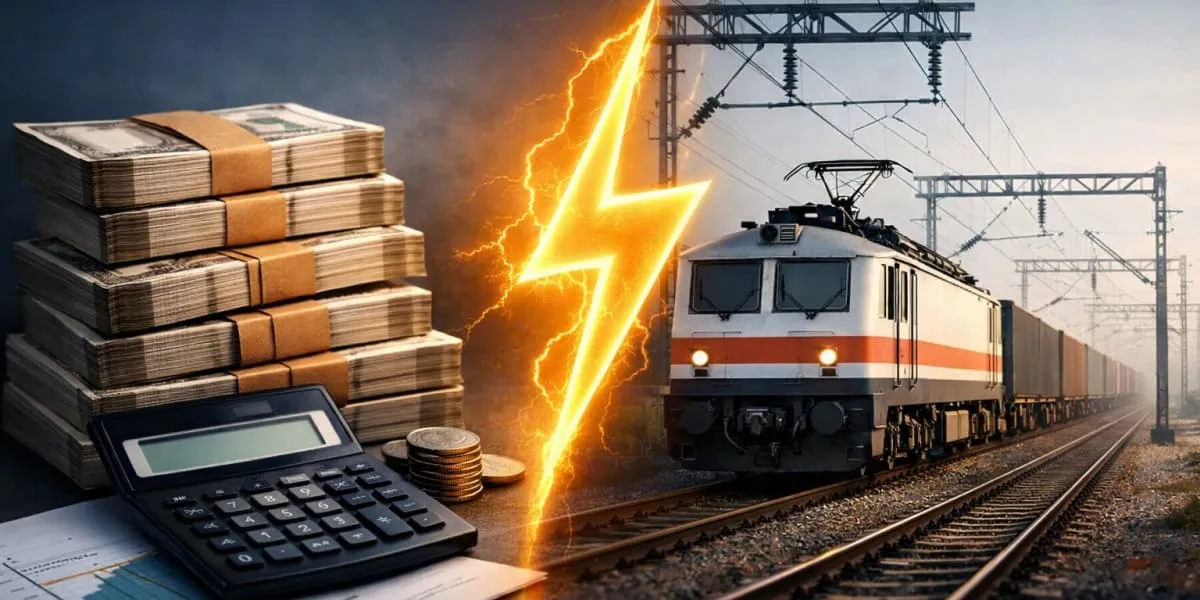
Railway Minister Ashwini Vaishnaw told the Lok Sabha that switching from diesel to electric traction has saved the Railways Rs 60 billion (bn) in operational costs, a shift he said underpins broader efficiency gains. He conveyed the figure during a debate on the demands for grants of the Railway Ministry on March 17. The minister also stated that the national transporter has become the second largest cargo carrier in the world, reflecting growth in freight operations.

Vaishnaw said that since the current government took office in 2014, some 35,000 km of track has been laid while 27,000 km has been electrified, and he linked the electrification drive directly to the fuel cost savings. He noted that staff cost remains the single largest expenditure for the Railways while energy is the second largest. The minister projected that diesel locomotives will progressively give way to electric locomotives as electrification continues.

He described the decision to merge the railway budget with the general budget as a visionary move that increased financial allocation and altered the rhythm of project announcements. He said that new trains are now inaugurated and new projects launched throughout the year, which has not been the earlier norm, contributing to a steady improvement in the organisation's financial health. Transparency in publishing accounts has improved, he added, and the Finance Ministry together with other agencies now monitor monetary metrics using information technology systems.

The debate drew 210 MPs and lasted two days, providing a broad forum for scrutiny of policy and spending priorities. Vaishnaw attributed the shift in style to a politics of performance that has replaced the earlier politics of vote, linking administrative reform to outcomes. He argued that ongoing electrification and the related decline in diesel use will reduce energy bills and support the Railways' operational transformation.

Railway Minister Ashwini Vaishnaw told the Lok Sabha that switching from diesel to electric traction has saved the Railways Rs 60 billion (bn) in operational costs, a shift he said underpins broader efficiency gains. He conveyed the figure during a debate on the demands for grants of the Railway Ministry on March 17. The minister also stated that the national transporter has become the second largest cargo carrier in the world, reflecting growth in freight operations. Vaishnaw said that since the current government took office in 2014, some 35,000 km of track has been laid while 27,000 km has been electrified, and he linked the electrification drive directly to the fuel cost savings. He noted that staff cost remains the single largest expenditure for the Railways while energy is the second largest. The minister projected that diesel locomotives will progressively give way to electric locomotives as electrification continues. He described the decision to merge the railway budget with the general budget as a visionary move that increased financial allocation and altered the rhythm of project announcements. He said that new trains are now inaugurated and new projects launched throughout the year, which has not been the earlier norm, contributing to a steady improvement in the organisation's financial health. Transparency in publishing accounts has improved, he added, and the Finance Ministry together with other agencies now monitor monetary metrics using information technology systems. The debate drew 210 MPs and lasted two days, providing a broad forum for scrutiny of policy and spending priorities. Vaishnaw attributed the shift in style to a politics of performance that has replaced the earlier politics of vote, linking administrative reform to outcomes. He argued that ongoing electrification and the related decline in diesel use will reduce energy bills and support the Railways' operational transformation.

Next Story
Infrastructure Urban

Lemon Tree Hotels Signs Resort In Lonavala Maharashtra

Lemon Tree Hotels Limited (LTHL) has signed a licence agreement for Lemon Tree Resort in Lonavala, Maharashtra, with the asset to be managed by Carnation Hotels Private Limited, a wholly owned subsidiary of LTHL. The resort will offer 50 well appointed rooms and will include a restaurant, banquet, meeting room, swimming pool, spa and fitness centre. The company described the addition as part of its strategy to expand branded resort offerings in key getaway destinations. Lonavala, located in the Sahyadri hills, is a popular leisure destination in western India known for scenic landscapes and a ..

Next Story
Infrastructure Urban

Kalai Chettinad Art And Architecture Festival At The Lotus Palace

The Lotus Palace Chettinad will host Kalai, the Chettinad Art and Architecture Festival, a four-day, three-night immersive celebration of the artistic legacy of Chettinad from three to six April 2026. The event has been organised by Apeejay Surrendra Park Hotels Limited (ASPHL) and will take place across restored heritage properties in Chettinad. It will be designed to offer guests a layered experience of place, structure and story that connects art, architecture and living traditions. The festival aims to present a confluence of global influences and local aesthetics. Kalai has been curated i..

Next Story
Infrastructure Energy

SJVN Reaches One bn Units At 1,000 MW Bikaner Solar Project

SJVN Limited (SJVN) has reached a milestone with its 1,000 megawatt (MW) Bikaner Solar Power Project by generating one bn units of electricity on 20 March 2026. The achievement underscores the company's role in supplying clean and sustainable energy to the national grid. The generation milestone was recorded within months of the project commencing operations and highlights rapid performance from the new facility. The Bikaner project, located in Bikaner district of Rajasthan, has been developed and implemented by SJVN Green Energy Limited (SGEL) under the Central Public Sector Undertaking Schem..

Advertisement

Subscribe to Our Newsletter

Get daily newsletters around different themes from Construction world.

STAY CONNECTED

Advertisement

Advertisement

Advertisement