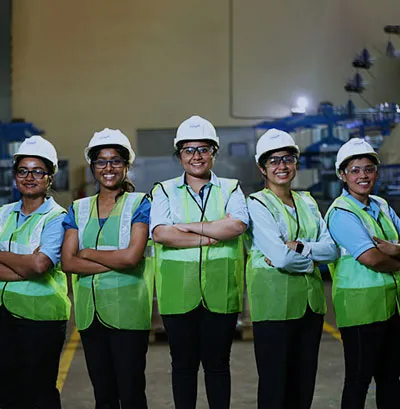
Runaya Green Tech Secures CRISIL A Rating on Strong Growth
ECONOMY & POLICY

Runaya Green Tech Secures CRISIL A Rating on Strong Growth

Runaya Green Tech has recently received a ‘CRISIL A/Stable’ long-term rating and ‘CRISIL A1’ short-term rating from CRISIL Ratings, reflecting strong revenue visibility, rapid scale-up and a healthy financial risk profile.

CRISIL highlighted the company’s accelerated growth trajectory, with revenues rising nearly fourfold to Rs 2.7 billion in FY25. Revenue is expected to double in FY26, supported by the commissioning of new capacities and higher production of recycled critical minerals including cadmium, cobalt, nickel, copper and antimony.

The rating agency noted that Runaya’s performance is underpinned by its technology-led, sustainability-focused ‘waste-to-wealth’ business model, proprietary recovery processes and global technology partnerships. The company’s operations are fully powered by renewable energy, reinforcing its focus on responsible manufacturing.

According to CRISIL, long-term supply and purchase agreements with anchor customers provide strong revenue visibility, while low leverage, robust cash accruals and interest coverage of over five times in FY25 support a sound financial profile.

Runaya’s recycled critical minerals are increasingly important for India’s electric vehicle, battery and advanced manufacturing ecosystem. By strengthening domestic availability of these materials, the company is supporting reduced import dependence and aligning with India’s energy transition and circular economy goals.

Runaya Green Tech has recently received a ‘CRISIL A/Stable’ long-term rating and ‘CRISIL A1’ short-term rating from CRISIL Ratings, reflecting strong revenue visibility, rapid scale-up and a healthy financial risk profile. CRISIL highlighted the company’s accelerated growth trajectory, with revenues rising nearly fourfold to Rs 2.7 billion in FY25. Revenue is expected to double in FY26, supported by the commissioning of new capacities and higher production of recycled critical minerals including cadmium, cobalt, nickel, copper and antimony. The rating agency noted that Runaya’s performance is underpinned by its technology-led, sustainability-focused ‘waste-to-wealth’ business model, proprietary recovery processes and global technology partnerships. The company’s operations are fully powered by renewable energy, reinforcing its focus on responsible manufacturing. According to CRISIL, long-term supply and purchase agreements with anchor customers provide strong revenue visibility, while low leverage, robust cash accruals and interest coverage of over five times in FY25 support a sound financial profile. Runaya’s recycled critical minerals are increasingly important for India’s electric vehicle, battery and advanced manufacturing ecosystem. By strengthening domestic availability of these materials, the company is supporting reduced import dependence and aligning with India’s energy transition and circular economy goals.

Next Story
Infrastructure Energy

Iran Conflict Risks Slowing India’s Auto Production

India’s automobile industry is facing the risk of production disruptions as the Iran conflict tightens gas supplies, affecting manufacturers and component makers across key industrial regions. Several suppliers serving Maruti Suzuki, Tata Motors and Mahindra have reported gas shortages, raising concerns over forging, casting and paint-shop operations that depend on steady fuel availability. The pressure comes as vehicle demand remains strong, with passenger vehicle sales expected to exceed 4.5 million units in the financial year ending 31 March. With limited buffer inventory, companies are ..

Next Story
Infrastructure Urban

Honda to Invest Rs 15 Billion in Tapukara Plant Expansion

Honda Motorcycle & Scooter India (HMSI) has announced an investment of around Rs 15 billion to set up a third production line at its Tapukara manufacturing plant in Rajasthan. The new line is expected to commence operations in 2028 and will add an annual production capacity of 670,000 units, taking the factory’s total capacity to 2.01 million units per year. The expansion is also expected to create more than 2,000 jobs in the region. The company said the new line will be highly flexible and capable of producing commuter segment scooters and motorcycles, helping it respond more effective..

Next Story
Infrastructure Transport

BMC Plans LAPs Around Metro 3 Stations

The Brihanmumbai Municipal Corporation (BMC) has proposed preparing Local Area Plans (LAPs) for areas around Mumbai Metro Line 3 stations to enhance land use, traffic flow, and infrastructure planning. The initiative is part of efforts to align urban development with the city’s expanding metro network. In the first phase, four stations will be covered at an estimated cost of Rs 1.37 crore, with further phases planned to include all 27 stations along the corridor. The overall project cost is expected to rise as coverage expands. The LAPs will be developed through detailed assessments, inclu..

Advertisement

Subscribe to Our Newsletter

Get daily newsletters around different themes from Construction world.

STAY CONNECTED

Advertisement

Advertisement

Advertisement